
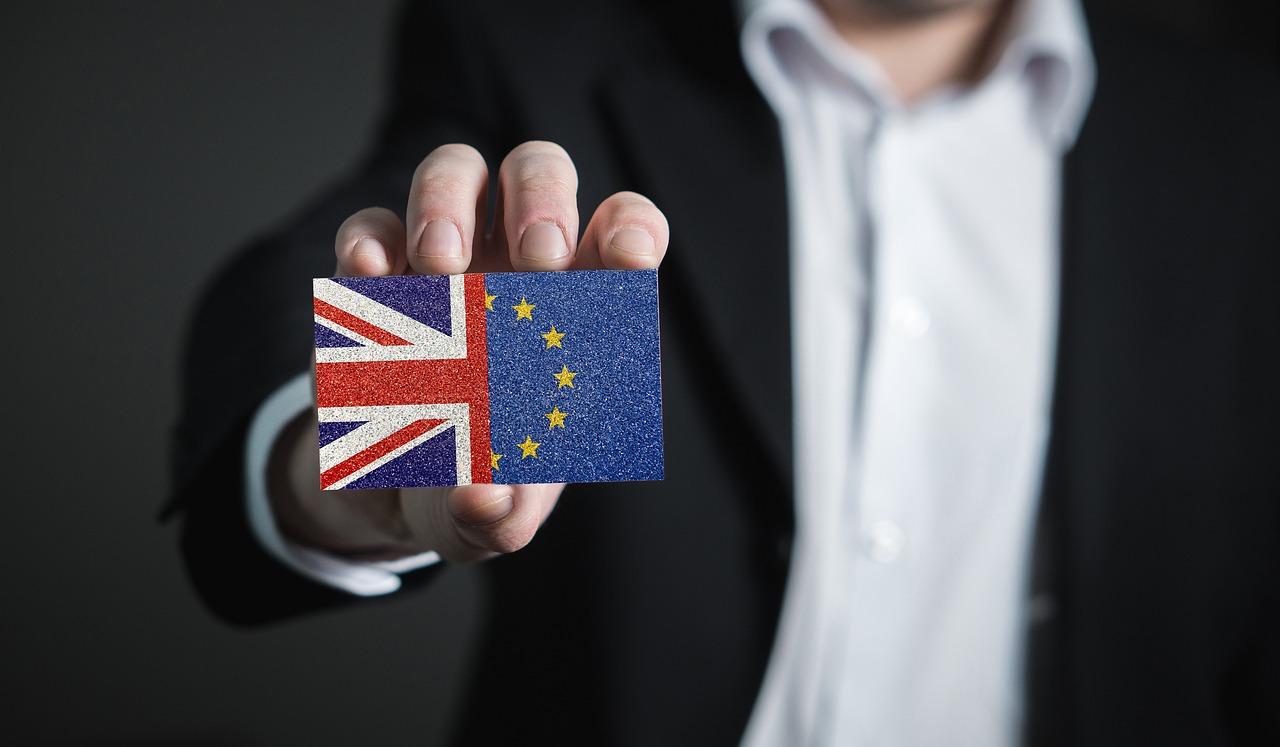
Hello everyone, and welcome back to the blog! Today, we are diving into a major political discussion happening across the pond. It looks like the conversation about Britain and its ties to Europe is heating up once again, thanks to some very candid remarks from a familiar political figure.
Former Chancellor Rachel Reeves has recently stepped forward with a bold perspective. In her very first major intervention since stepping down from the Treasury, she made it clear that she believes the UK future should be inside the EU. According to her thoughts shared in the media, she feels strongly that the decision to leave has ultimately left the nation in a tougher spot, describing the overall impact as making the country poorer, weaker, and less secure.
Now, this is quite a notable shift in tone compared to official party lines during the recent campaign trail. If you cast your mind back to the last general election, the Labour Party manifesto took a very different stance. At that time, the official platform clearly stated that a Labour government would remain outside the bloc and focus purely on making Brexit work. The 2024 manifesto explicitly ruled out bringing back free movement, rejoining the single market, or entering a customs union.
However, politics moves fast, and opinions within political circles continue to evolve. Prime Minister Andy Burnham has chimed in to say that the country needs to have an honest conversation about what future relations should actually look like. He also pointed out that any major changes down the road would definitely require a fresh mandate from voters at the next general election, which is currently scheduled for 2029.
Naturally, not everyone is on board with reopening this massive political chapter. The Conservative Party has firmly stated that the public has zero appetite to rerun the whole Brexit debate. Meanwhile, Reform UK leader Nigel Farage argued strongly that there is simply no mandate whatsoever to pursue any closer ties with the European Union.
Despite these political pushbacks, Reeves used her recent writing in the Sunday Times to open up about her long-held personal views. She mentioned that anyone working closely with her in the Treasury always knew where her instincts stood. She firmly believes that Britain’s destiny belongs within the European Union. At the same time, she acknowledged that people who support rejoining the union cannot just wish it back into existence; they have to actively make the argument, show real tangible benefits, and carefully plan out the next steps.
Looking ahead at the upcoming UK-EU summit, Reeves shared that she is hoping to see confirmation of a youth mobility scheme—something she advocated for heavily while still holding office. Beyond that, she expressed her hope for some real progress toward entering the Security Action for Europe, commonly known as the SAFE scheme. For context, SAFE was introduced as part of a broader European effort to rearm following the full-scale invasion of Ukraine by Russia, and a defence pact agreed upon last year already opened doors for UK defence companies to join projects funded by this initiative.
Aside from her thoughts on Europe, Reeves also used her published piece to look back at and defend her time in government. She touched upon the importance of modern governments needing to show much more bravery when tackling large-scale infrastructure projects. Furthermore, she stressed the need to remain clear-eyed about both the potential risks and the major benefits that artificial intelligence will inevitably bring to advanced economies.
My Thoughts on the Debate Over Europe and the UK Path Forward
Looking at this situation from the perspective of an observer of political trends, I see this intervention by Rachel Reeves as a fascinating moment that brings long-simmering debates back to the surface. On the positive side, having an open and honest discussion about international relations, defence cooperation, and economic ties is essential for any modern nation. Proponents of closer alignment will likely view her comments as a courageous step toward repairing trade, security, and cultural bridges that many feel were damaged over the past several years. Initiatives like youth mobility and joint security frameworks certainly offer practical, tangible ways to work together without immediately diving into the massive political minefield of renegotiating a full treaty.
On the other hand, we also have to look closely at the potential pitfalls and the reasons why caution is warranted. The political reality in the UK remains deeply divided on this topic. Pushing too hard for closer ties or reopening the Brexit wound too soon risks alienating a huge portion of the electorate who voted to leave and still feel strongly about national sovereignty. As mentioned by current leadership, major institutional shifts require a clear and undeniable mandate from the general public, and moving too quickly without widespread consensus could create unnecessary political instability at a time when economic recovery and domestic infrastructure are already massive challenges.
Ultimately, whether one agrees with Reeves or prefers the current status quo, this debate is clearly not going away anytime soon. It forces political parties to balance their long-term ideological visions with the immediate practical needs of security and economic growth. We will just have to wait and see how leaders navigate these choppy political waters in the months and years leading up to the next election.
Thank you for stopping by to read through today’s political breakdown. What are your thoughts on where the relationship between the UK and Europe should head next? Let me know, and I will see you all in the next post!
source: feeds.bbci.co.uk (www.bbc.co.uk)
Photo by TheDigitalArtist on Pixabay