
Hello everyone, and welcome back to the blog! Today, we are diving into a fascinating topic that bridges the gap between human psychology and the animal kingdom. For the longest time, the heavy, lingering feeling of existential loss was considered a strictly human trait. We believed that only people could truly comprehend the absence of a loved one, mourning their passing with sorrow and emotional pain.
However, recent scientific observations are causing researchers to pause and rethink this long-held assumption. Studies focusing on various creatures—ranging from coyotes to cockatoos and many others in between—are opening up a whole new perspective on how animals process the end of life.
The Shift in Animal Behavior Research
For generations, traditional science was extremely cautious about attributing complex emotional lives to animals. Anthropomorphism—the act of giving human traits to non-human things—was heavily discouraged in academic circles. Researchers preferred to view animal actions purely through the lens of instinct, survival mechanisms, and evolutionary hardwiring. If an animal reacted to a dead companion, it was often labeled as mere confusion or a territorial response rather than genuine sadness.
Lately, though, that rigid boundary is starting to blur. Observers in the field and laboratories are documenting behaviors that look remarkably like mourning. When we watch certain species interact with their deceased packmates, flock members, or offspring, it becomes harder to dismiss these actions as purely mechanical. The growing body of research suggests that the emotional architecture required to experience loss might not be exclusive to our species after all.
Coyotes, Cockatoos, and Beyond
Let’s look at the specific creatures mentioned in the research. Coyotes, highly social and intelligent canines, have provided researchers with intriguing moments of observation. They form strong bonds within their family units, and when a partner or pack member passes away, the remaining coyotes sometimes display distinct behavioral shifts. These changes can include altered vocalizations, searching behaviors, and an apparent drop in overall activity levels, mirroring what we might expect from someone experiencing deep sorrow.
Birds, particularly intelligent species like cockatoos and other parrots, are also surprising scientists. These avian creatures are known for their high cognitive capacity, complex social structures, and long-term mating bonds. When a bonded partner dies, cockatoos have been observed showing clear signs of distress. They might spend extended periods near the deceased bird, refuse food, or exhibit erratic preening and vocal behaviors. These reactions suggest a profound disruption in their emotional well-being, pointing toward a state that strongly resembles grief.
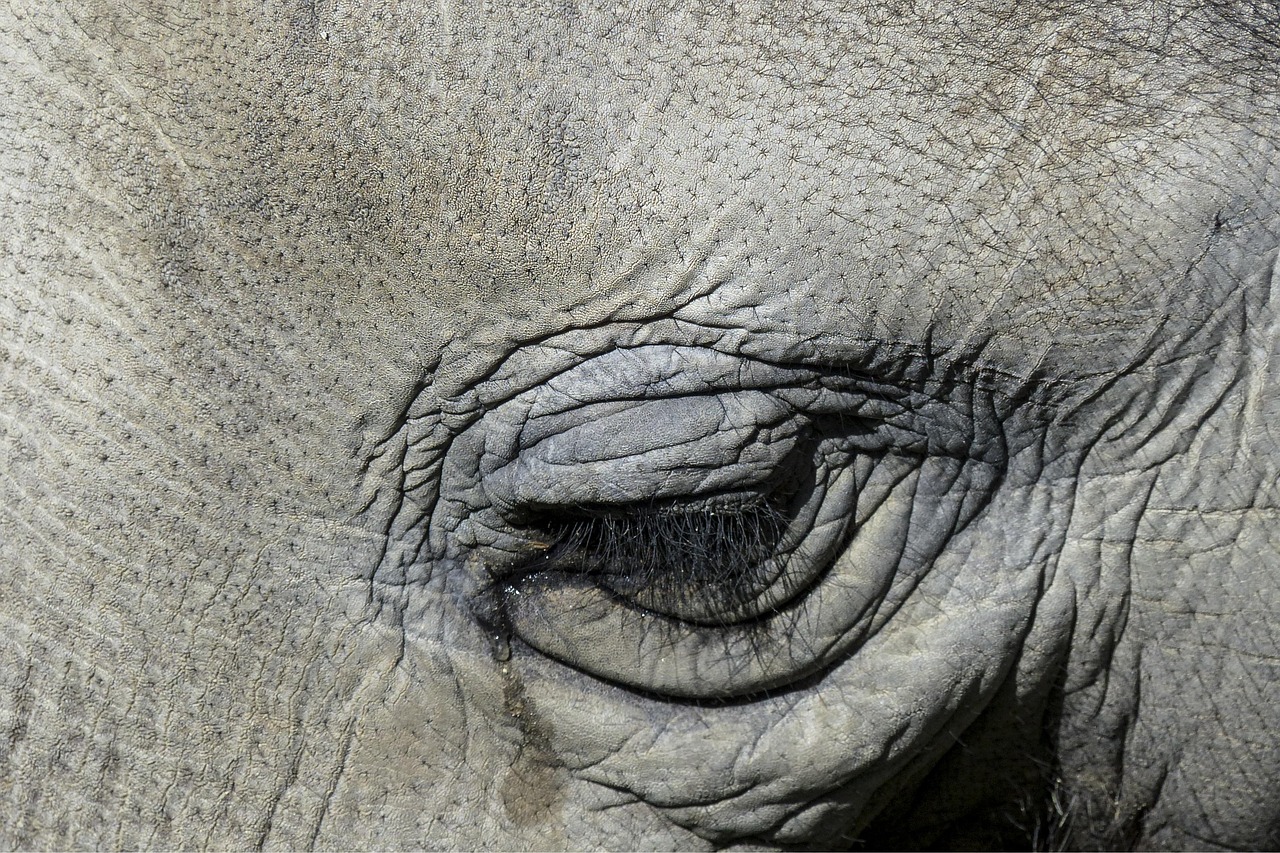
Other creatures across the animal kingdom, from elephants gently touching the bones of their ancestors to cetaceans carrying their dead calves through the water, have long fueled anecdotal claims from naturalists. Now, systematic studies are beginning to catch up with these observations, trying to map out the emotional depths of the non-human world with empirical rigor.
My Take on the Emotional World of Wildlife
Looking at these findings, I find myself captivated by how much we still have to learn about the minds of our fellow inhabitants on this planet. It is both humbling and slightly overdue that science is finally giving room to the possibility that humans do not hold a monopoly on sorrow. For so long, we placed ourselves on a completely separate emotional pedestal, assuming that advanced cognitive processing was the only ticket to feeling the weight of absence.
At the same time, I think it is important to look at this topic with a balanced, objective lens. Based strictly on the facts presented in the current research, scientists are only just “prompting some scientists to reconsider”—meaning we are still in the early stages of understanding. As a blogger watching this field evolve, the big question that remains unanswered for me is: where do we draw the line between complex neurochemical stress responses and true, conscious emotional grief? Furthermore, how can science ever truly measure an animal’s inner emotional state without relying entirely on external behavioral cues that might be interpreted subjectively?
What I am eager to watch for in the coming years is how researchers plan to bridge this gap. Will future technology or more refined observational methods give us clearer windows into animal consciousness, or will we always be left guessing about what goes on inside the minds of coyotes and cockatoos? It is a deeply compelling mystery, and I, for one, will be keeping a close eye on how this fascinating area of animal behavior develops.
Before we wrap up for today, I would love to hear your thoughts on this. Have you ever witnessed unusual or sorrowful behavior in a pet or wild animal? Drop a comment below, and let’s keep the conversation going. Until next time, stay curious, keep exploring, and see you in the next post!
source: nytimes.com (www.nytimes.com)