
Hey there, fellow animal lovers! Welcome back to the blog. Today, we are diving into some of the wildest and most intriguing questions about the creatures we share this planet with. Mother Nature has been busy for millions of years, and honestly, she has left us with some seriously baffling homework assignments.
Think about it. We share Earth with more than 1.5 million known zoological species. That is a massive number of living things, and with that many creatures roaming around, crawling through the dirt, and swimming in the deep blue sea, you just know there are bound to be some crazy secrets. In fact, experts note that for every single one of those species, there is at least as much mystery surrounding them.
If you have ever stared at your pet cat, looked at a bird soaring through the clouds, or wondered about the bizarre history of our planet’s wildlife, you are definitely not alone. Today, we are looking at ten of the top puzzles from the natural world that continue to captivate scientists and curious minds alike. Let’s jump right into it and unpack some of the coolest animal enigmas out there!
The Slithering Riddle of Snake Evolution
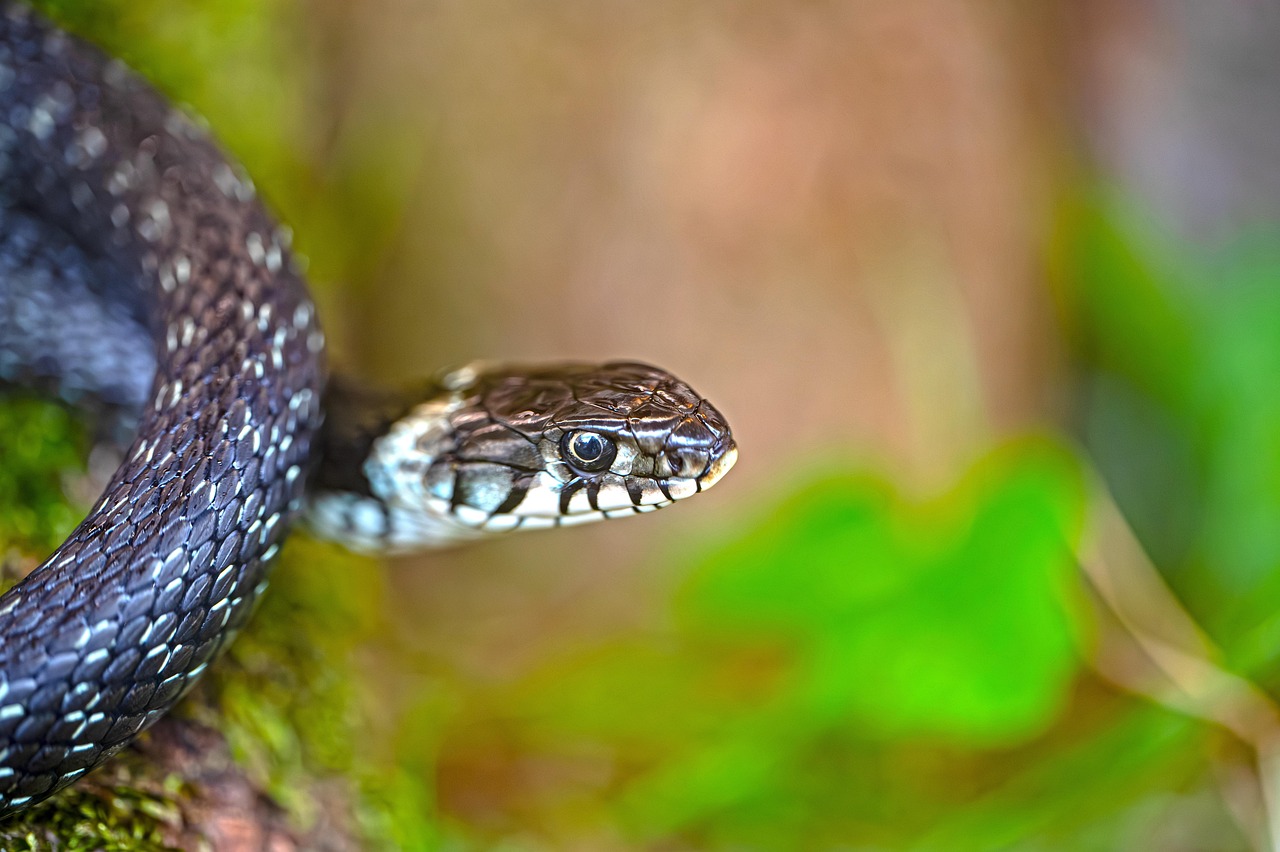
One of the absolute biggest questions in the animal kingdom has to do with our legless friends. Why did snakes lose their legs in the first place? It is a classic head-scratcher that has fascinated researchers for generations.
We know that modern snakes evolved from ancient lizards, but somewhere along the line, those limbs completely vanished. Was it an adaptation for burrowing underground to escape predators and hunt in tight spaces? Or was it a way to glide smoothly through dense underbrush? While science has pieced together bits of the fossil record, the exact evolutionary pressures that turned a four-legged reptile into the sleek, slithering predator we see today remain a captivating puzzle.
More Mind-Boggling Enigmas in Nature
Of course, the legless mystery of snakes is just the tip of the iceberg. The natural world is practically overflowing with bizarre behaviors and physiological quirks that defy easy explanation. From creatures that navigate thousands of miles across open oceans without a map to deep-sea dwellers that create their own dazzling light shows, the sheer variety of life comes with an equally massive list of unanswered questions.
Researchers spend decades studying migration patterns, communication methods, and evolutionary twists, yet many species still guard their secrets closely. Every time science thinks it has figured out a biological puzzle, another surprising discovery comes along to remind us just how much we still have to learn about our own planet.
My Personal Take on Earth’s Greatest Wildlife Puzzles
Looking at the vast array of unsolved questions in the natural world, my personal view is that these ongoing mysteries are actually the most exciting part of studying wildlife. As I read through these concepts, what stands out to me the most is the sheer humility science has to maintain when facing the complexity of nature. We might have cataloged over a million and a half species, but the fact that every single one of them still holds deep, unresolved secrets shows that evolution is far more intricate than we can fully comprehend.
I find it genuinely fascinating that despite all our advanced technology and modern research methods, we are still scratching our heads over basic evolutionary steps, like how a creature traded its legs for a life of continuous slithering. It serves as a great reminder that the natural world isn’t just a static museum exhibit for us to look at; it is a dynamic, ongoing story. These enduring mysteries prove that nature will always keep a few cards close to its chest, no matter how hard we try to figure them out.
At the end of the day, these enduring animal mysteries are what keep exploration and biology so thrilling. Whether it is figuring out ancient evolutionary shifts or decoding the hidden lives of modern creatures, our planet refuses to be completely figured out. Until next time, keep staying curious about the amazing wildlife all around us, and I will catch you in the next post!
source: nytimes.com (www.nytimes.com)
Photo by Georg_Wietschorke on Pixabay