
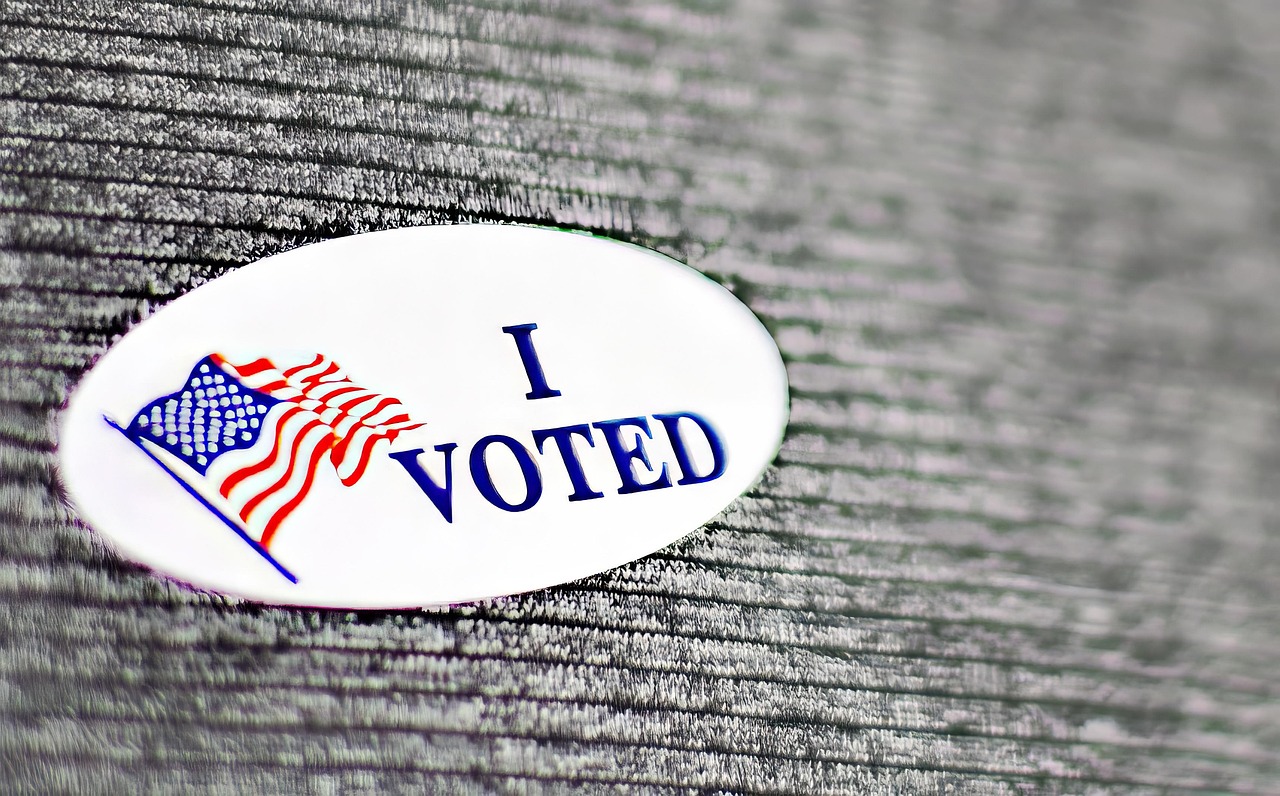
Millions of people across the United States are getting ready to make choices that could completely alter the balance of power in Washington. With the Republican-controlled Congress hanging in the balance, these midterm elections carry massive weight for the final stretch of President Donald Trump’s time in office. Everything is pointing toward a handful of high-stakes Senate contests that will ultimately decide who runs the upper chamber.
If the Democrats can pull off a four-seat pickup, they will take control of the Senate. That victory would hand them the authority to rein in the president’s goals, block judicial picks, and launch investigations into the administration. Huge amounts of money are flowing into 35 different matchups nationwide, but independent analysts suggest only a select few are true toss-ups. Let’s take a look at some of the most compelling personalities driving these nail-biter races.
Alaska: A Crowded Field and Ranked-Choice Uncertainty
Over in Alaska, the race features a heated battle that might just tip the scales for the entire chamber, especially since the state is known for taking its time to count votes. Two-term incumbent Republican Senator Dan Sullivan is fighting for a third term, facing a tough challenge from Mary Peltola, a former House member and the first Alaska Native elected to Congress.
Peltola has built her platform around fish, family, and freedom, frequently calling out Sullivan’s past record as the state’s natural resources commissioner. Meanwhile, Sullivan—a long-time Marine Corps reservist and former state attorney general—has accused his opponent’s campaign of ties to a bizarre plot where a second candidate with the exact same name entered the race to confuse voters. Peltola has denied any connection, though a state investigation and a federal lawsuit looked into the matter. To add to the drama, Alaska’s ranked-choice voting system and notoriously tricky polling history leave plenty of room for surprises.
Maine: The Centrist Survivor vs. The Working-Class Challenger
Up in Maine, Republican Senator Susan Collins is once again testing whether a candidate can win by keeping a bit of distance from Donald Trump. Known for often playing the role of a political rebel, Collins is seeking her sixth term in a state that generally leans Democratic in presidential contests.
Her challenger is Troy Jackson, a former president of the Maine state senate who relies on his background as a lumberjack to connect with blue-collar voters. Both candidates have spoken out against Trump’s tariffs on Canada due to the strain they put on the border state, though they differ on other issues like the future of immigration enforcement agencies. Collins began the cycle looking quite vulnerable, but internal Democratic shifts cleared the path for Jackson to step in as the nominee.
Texas: Tech Money and a Historic Challenge
Texas has long been a reliable stronghold for the Republican party, but Democrats are hoping to break that decades-long dry spell. State Representative James Talarico, a former middle school teacher who studied theology, is taking on Ken Paxton in what has become the most expensive Senate race in history.
Paxton, a staunch ally of the president, previously faced an impeachment process by the state House over corruption allegations, though he was later acquitted by the state Senate. Backed heavily by tech billionaire Elon Musk, Paxton’s campaign has sought to frame Talarico as far out of step with everyday Texans. On the flip side, Talarico is hoping to prove that this massive southern state could actually be up for grabs in future presidential cycles, potentially transforming the national political map.
Michigan: A Bitter Contest with High Tensions
Michigan plays host to one of the most hostile and fiercely contested matchups of the cycle. Progressive public health official and doctor Abdul El-Sayed is running to keep the seat blue, going head-to-head with Republican former FBI agent Mike Rogers.
El-Sayed stands out as one of the most left-wing nominees this time around, championing a government-run healthcare system and the removal of immigration enforcement agencies. His outspoken criticisms of Israel have caused internal party friction, while his opponent emphasizes a strong military and intelligence background. The race has also seen sharp rhetoric and personal attacks, making it a focal point of national attention as voters head to the polls.
Reflections on These Critical Senate Battles
Observing these diverse state matchups, I find it fascinating how local identities and individual candidate backgrounds can sometimes punch through the heavy noise of national party politics. On the positive side, these races demonstrate a vibrant democratic process where voters are presented with genuinely distinct visions for the country—ranging from progressive public health strategies to traditional conservative security platforms. It is refreshing to see candidates from such varied walks of life, like former educators, lumberjack legislators, and military veterans, stepping up to try to bridge the gap with everyday citizens.
At the same time, there is a troubling side to all of this that we certainly need to watch out for. The sheer amount of money pouring in, alongside the bitter controversies, personal attacks, and questionable ballot maneuvers seen in places like Alaska and Michigan, threatens to overshadow the actual issues. When campaigns descend into intense hostility and inflammatory rhetoric, it risks eroding trust in the democratic system as a whole. Ultimately, these races show that while American politics remains deeply energized, it is also walking a very fine line between healthy debate and damaging polarization.
As campaigns make their final pushes and leaders travel to crucial states like Iowa to rally their supporters, the final outcome remains anyone’s guess. With control of Congress resting on the shoulders of just a few key states, voters are truly holding the steering wheel for the remainder of the presidential term.
source: feeds.bbci.co.uk (www.bbc.co.uk)
Photo by JillWellington on Pixabay