
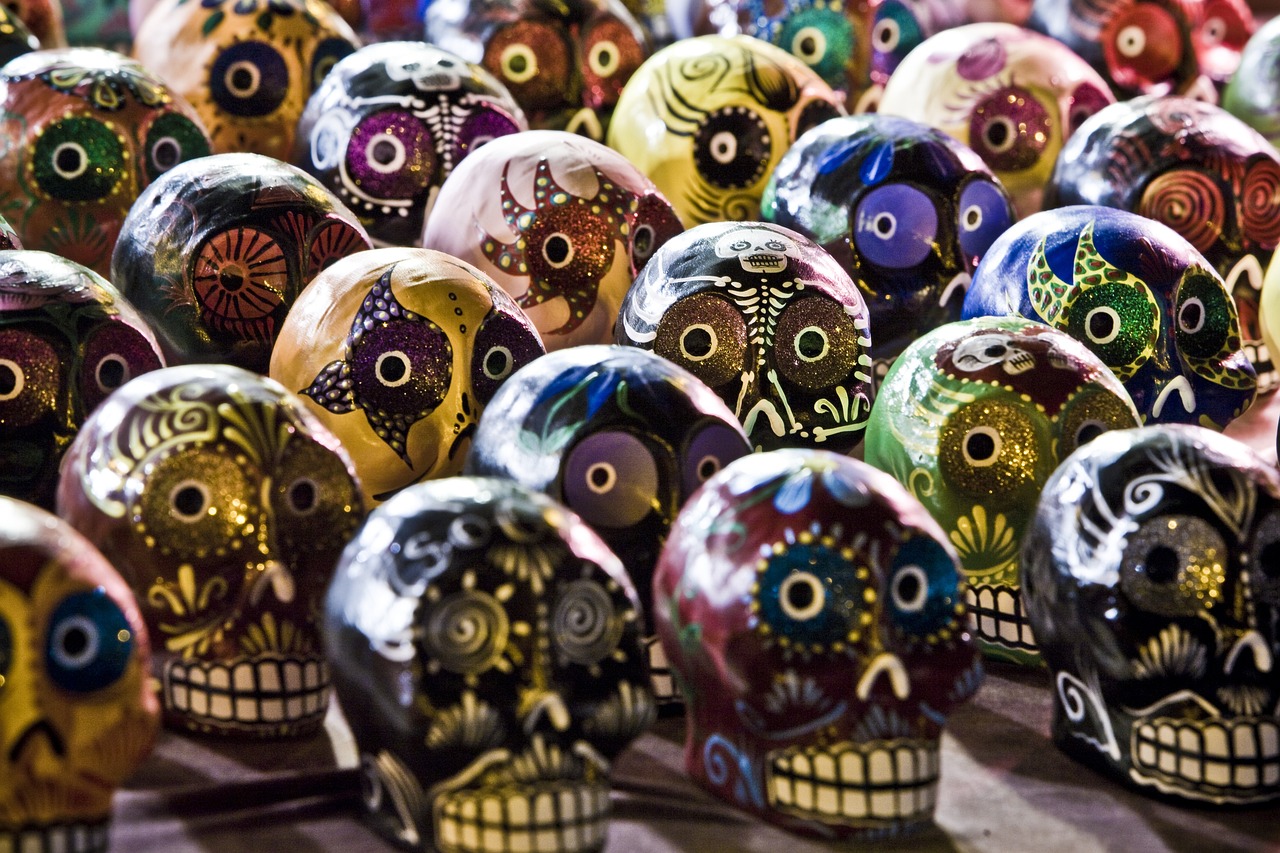
Hey everyone! Today, let’s talk about something truly magical and deeply moving. We are taking a little mental trip down to a remote town nestled high up in the mountains of Mexico. If you have ever been curious about how traditional communities honor their ancestors, you are in for a treat.
Picture this: for a full ten days, a secluded mountain community transforms into a vibrant hub of sound, color, and spiritual connection. This isn’t just a quick one-day holiday; it is an extended, immersive journey into a worldview where the boundary between the living and the deceased becomes beautifully blurred. It is all about the famous Day of the Dead celebrations, but experienced in a setting that feels completely untouched by modern rush.
A Journey High Above the Ordinary
Up in the high altitudes of Mexico, the air is crisp, but the atmosphere down in the town streets is radiating warmth. When we think of festivals, we often imagine quick weekend events. But here, the commemoration stretches out over more than a week. It gives the entire community a chance to slow down, reflect, and truly lean into the spiritual weight of the season.
During these ten days, the town comes alive with movement. There are carefully choreographed dances and solemn processions winding through the narrow mountain paths. Every step, every beat of the drum, and every movement carries a deep purpose. The locals aren’t just putting on a show for visitors; they are actively participating in a sacred routine that has been passed down through generations.
Summoning the Souls
At the very heart of these mountain rituals is a powerful belief: that the dead are never truly gone. Instead, they are simply in another realm, and once a year, the veil lifts. The dances and processions are designed to summon these souls back home, welcoming them with open arms.
Imagine hearing the distant echoes of traditional music bouncing off the mountain walls as villagers gather to guide the spirits back. It is a concept that shifts our usual perspective on mortality. Rather than focusing solely on grief or finality, this remote community treats death as a continuation of a relationship. The souls of loved ones are invited back to share in the warmth of the family hearth, the laughter of the living, and the collective memory of the town.
The commitment required to maintain a ten-day celebration in a remote location shows just how vital these traditions are to the identity of the people living there. It takes a lot of coordination, physical stamina, and emotional investment to keep the energy high for that long. Yet, generation after generation keeps the flame burning quite literally.
My Take on the Mountain Tradition
When I first read about these ten-day mountain rituals, what really struck me was the sheer scale of devotion. In our fast-paced modern lives, we tend to squeeze remembrance into a few quiet moments or a single afternoon. The idea of dedicating an entire ten-day block of time to honor those who have passed feels almost radical. It forces a complete pause on daily distractions and puts the focus squarely on community history and spiritual bonds.
I find it fascinating how geography plays a role in preserving these customs. Because this town is tucked away high in the mountains, it seems naturally shielded from the rapid commercialization that sometimes dilutes cultural festivals in bigger cities. Based on the facts provided, this geographical isolation has allowed the locals to maintain the purity and depth of their ancestral practices. It is a reminder that sometimes the most profound cultural experiences happen far away from the beaten path, where communities still rely on each other and their shared heritage to make sense of the world.
Ultimately, reading about this celebration leaves me with a deep sense of appreciation for human resilience and creativity when it comes to dealing with the universal experience of loss. It is not about hiding from sadness, but about transforming remembrance into a living, breathing art form.
So, as we go about our busy weeks, maybe we can take a little inspiration from those mountain dwellers. Taking a moment to remember our own roots and the people who came before us might just ground us a little more. Thanks for reading, and let me know your thoughts on how different cultures honor their ancestors!
source: nytimes.com (www.nytimes.com)