
Hello everyone! It seems like the news has been quite intense lately, and today we are looking at a rather unsettling series of events across Europe. If you have been following the headlines, you probably noticed reports about sudden security alerts affecting transport systems. Specifically, Bulgaria has officially confirmed that bomb threats were made against commercial flights arriving from Bergamo and Dublin. It is definitely the kind of news that makes travelers take a deep breath and check their travel insurance twice.
According to the reports, these incidents were part of a broader wave of security scares that hit multiple European flights and even a cruise ship. In total, authorities recorded around seven separate bomb threats targeting various routes. Aside from the flights heading toward Bulgarian soil, other airplanes traveling to destinations like Warsaw, Rome, and Murcia also found themselves caught up in similar alarming situations. Thankfully, after thorough inspections by security teams, all of these threats turned out to be completely false alarms.
Let us look at how some of these situations unfolded on the ground and in the air. For instance, a Wizz Air flight carrying 176 passengers from Bergamo, Italy, landed safely in Sofia, Bulgaria, after being targeted. Similarly, a Ryanair flight from Dublin carrying 186 passengers touched down securely in Sofia. Bulgarian transport authorities verified that both planes were thoroughly inspected and no explosive devices were found anywhere on board.
The disruption wasn’t just limited to Bulgaria. Over in Poland, a LOT Polish Airlines flight traveling from London Heathrow was forced to divert from its intended destination of Warsaw Chopin airport to Modlin airport instead. Officials temporarily shut down parts of Modlin while searching the aircraft, though operations resumed normally once the plane was cleared. Meanwhile, in Italy, the Italian Air Force had to step in and escort a Ryanair flight from Dublin all the way to Rome’s Fiumicino airport after a threat was called in. Another Ryanair flight arriving from Lisbon was also searched upon landing in Rome, and thankfully, both arrived without incident.
Maritime travel wasn’t spared either. Authorities in Greece launched a security operation on the island of Syros involving an explosives detection dog and specialized divers. They inspected a Panama-flagged cruise ship named the Crown Iris, which was scheduled to head toward Israel with hundreds of passengers and crew members on board. An unknown caller had claimed that an explosive device was attached to the ship’s hull. Initial checks thankfully turned up empty, allowing specialists to carry out further routine verifications before the vessel could resume its journey.
Beyond the transport scares, other major developments caught the attention of news outlets across Europe. In the Czech Republic, public media workers staged a one-day strike to protest controversial government plans regarding how public broadcasters are funded. Critics argue that the proposed legislation, backed by the government, poses a serious threat to the independence of the media. Meanwhile, on the geopolitical front, heavy bombardments hit energy infrastructure in Ukraine, prompting strong reactions from international leaders during diplomatic discussions in Berlin and Brussels regarding regional security.
What I Think About These Security Scares
Looking at these recent events, it is hard not to feel a mix of relief and lingering anxiety. According to the available reports, every single one of these recent bomb threats turned out to be a hoax, which is undoubtedly the best possible outcome for the passengers and crew members involved. However, the sheer coordination and scale required to disrupt multiple international flights and a cruise ship in such a short window raises serious questions about the ongoing vulnerability of our global transit networks.
What stands out to me as an unanswered question in all of this is the origin and motive behind these coordinated disruptions. While security agencies are quick to label them as hoaxes once planes are cleared, the reports do not yet clarify whether law enforcement has managed to trace the source of these malicious calls or if investigators suspect an organized network operating across borders. Hoax or not, these incidents cost massive amounts of public resources, cause severe psychological stress for travelers, and temporarily paralyze vital infrastructure hubs.
Moving forward, I believe it is worth paying close attention to how aviation and maritime authorities plan to tighten their protocols without turning every routine journey into an absolute logistical nightmare. Will intelligence agencies find a way to deter these false alarms more effectively, or are we looking at a new normal where sporadic security panics become a regular part of modern travel? Only time will tell, but for now, we can at least be grateful that these specific threats ended safely.
That is all for today’s roundup of these unfolding events. Stay safe out there, keep an eye on your trusted news sources, and let’s hope for calmer skies ahead. See you in the next post!
source: theguardian.com (www.theguardian.com)
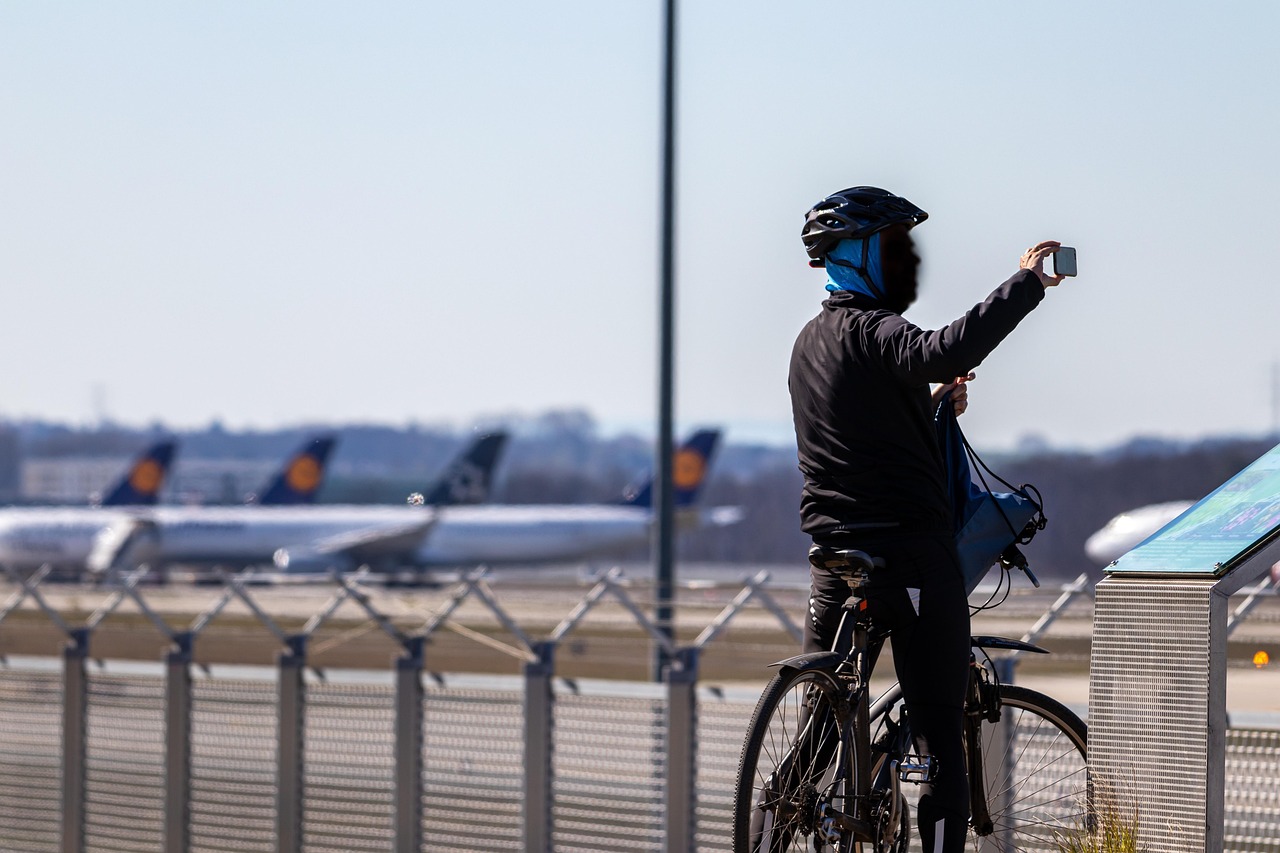
Photo by TobiasRehbein on Pixabay