
Hey everyone! Welcome back to the blog where we talk about the latest updates and interesting breakthroughs happening around us. Today, we are diving into some medical news coming out of England that could really change the way doctors catch certain illnesses. If you have ever wondered how science is trying to make healthcare faster and easier, this story is definitely for you.
So, what is the big news? Well, new multi cancer blood tests are heading to roughly 200 general practitioner surgeries across England as part of a fresh clinical trial. The main goal here is pretty straightforward: catch those tricky, hard-to-diagnose abdominal cancers much earlier than we usually do. Conditions like liver, ovarian, and pancreatic cancer are notoriously slippery. Often, doctors only find them after they have already spread through the body, which makes treating them a whole lot harder.
Let’s break down how these tests actually work, based on what the experts are saying. When a patient goes in, the test looks for specific proteins or tiny fragments of DNA floating around in the bloodstream. These molecular clues can act like warning signals, hinting that cancer might be present. For the doctors, getting these results could act as a guiding map, helping them figure out which patients showing vague, confusing symptoms need to be sent for deeper, more urgent investigations.
Who gets to participate in this trial? The plan is open to more than 20,000 patients who are aged 45 and over. These are folks who walk into their doctor’s office complaining of symptoms that can sometimes be tough to pin down, such as lingering pain or persistent bloating. It is a government-funded project, and it is being led by the University of Birmingham. Ultimately, the researchers want to see if these specific multi cancer blood tests are accurate enough to eventually be rolled out for wider use across the entire National Health Service.
Of course, this isn’t the first time we’ve heard about blood tests capable of spotting multiple types of cancer. If you follow health news closely, you might remember another separate NHS trial involving a test called Galleri. That particular test didn’t quite hit its primary target of reducing late-stage cancer diagnoses, though scientists are still looking closely at other potential benefits it might offer. Medical research is a journey of trial and error, and every step teaches researchers something new.
Prof Peter Johnson, who serves as NHS England’s national clinical director for cancer, pointed out something we all probably know if we’ve ever tried to figure out a weird stomachache: detecting abdominal cancer early is historically very difficult. Why? Because the symptoms can easily look like everyday, much less serious conditions. But catching things sooner fundamentally changes the game, giving patients a much fighting chance at successful treatment and long-term survival.
To put the scale of the problem into perspective, the numbers are quite stark. Every year, around 71,000 people in England receive a diagnosis for pancreatic, stomach, liver, ovarian, or bowel cancer. Sadly, nearly 35,000 people lose their lives to these exact diseases annually. That is a massive impact on families and communities, which is why any tool that might help turn the tide is met with a lot of attention.
This new trial—officially called the STRIDE-RCT trial—has a pretty wide lens. It is exploring the detection of a whole bunch of cancers. We are talking about bowel, small bowel, stomach, oesophageal, pancreatic, liver, bile duct, gallbladder, ovarian, endometrial, kidney, bladder, and prostate cancers. That is a comprehensive list for a single medical study.
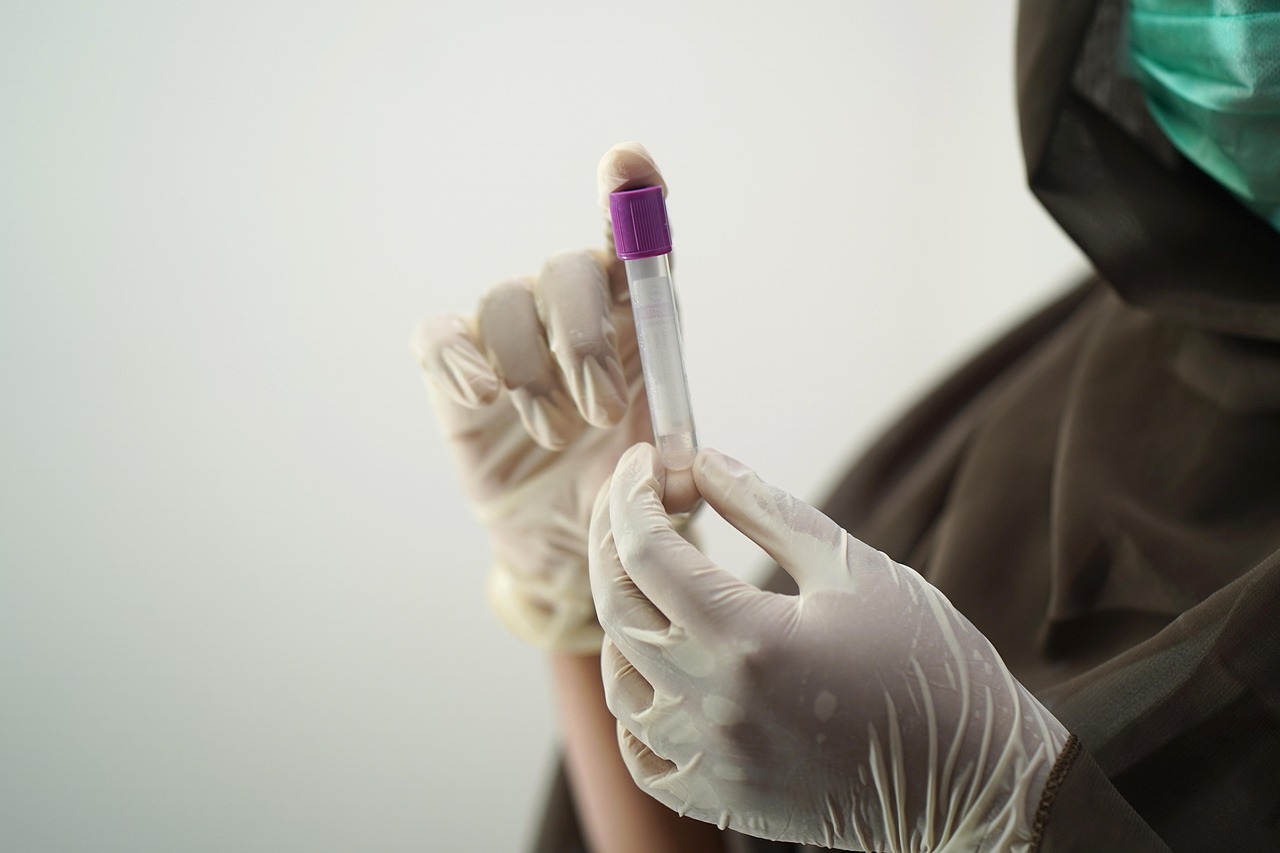
If a patient is part of the trial at their GP practice, the process sounds pretty standard for a routine check-up. They will provide just one or two tubes of blood, which get drawn right there alongside whatever other routine tests they might need. After that, scientists take those samples and analyze them for the aforementioned warning signs. If the markers show up, the tech might even help point out where in the body the tumor is hiding.
However, it is worth keeping a balanced view on how diagnostic tests operate. A positive result doesn’t automatically mean a person definitely has cancer, and conversely, a negative result isn’t a magical, guaranteed all-clear. Medical tests are powerful tools, but they rarely tell the whole story on their own, which is why doctors always rely on a combination of evidence.
Health Secretary Yvette Cooper shared her thoughts on the matter, mentioning she hopes that simple blood tests like these will successfully help spot patients who need urgent investigation much sooner rather than later. Meanwhile, Michelle Mitchell from Cancer Research UK noted that general practitioners have needed better tools for a long time to navigate the uncertainty of vague symptoms and figure out who needs extra testing. She called this upcoming trial an important step forward.
Looking at the Bright Side of Medical Innovation
When we read about cancer statistics, it is very easy to feel overwhelmed by the sheer weight of the numbers. Losing tens of thousands of people every year to abdominal and related cancers is a sobering reality. But as I look at this news about multi cancer blood tests coming to GP surgeries, my perspective leans strongly toward an optimistic, realistic view of the future. Based strictly on the facts presented in this trial, I see a tremendous opportunity for early intervention that simply wasn’t available on this scale before.
Think about the typical experience of visiting a doctor with symptoms like persistent bloating or general abdominal pain. Those symptoms are notoriously vague. They could mean something minor, or they could point to a hidden, aggressive cancer. Historically, doctors had to rely on a process of elimination that could take precious time. By introducing a simple blood draw that screens for DNA fragments and proteins across a wide range of cancers—from pancreatic to ovarian and bowel—we are witnessing a shift toward smarter, faster healthcare navigation. Even if the path of medical research has bumps, as seen with previous tests like Galleri, every single trial refines our scientific knowledge and brings us closer to reliable, everyday solutions.
What excites me about this initiative is the sheer practicality of it. Patients are already visiting their local GP surgeries for routine care; adding one or two tubes of blood to that visit doesn’t require invasive procedures or complicated hospital referrals just for an initial check. If the University of Birmingham’s trial proves that these tests are accurate enough for the wider NHS, it could completely reshape how primary care handles the uncertainty of hard-to-diagnose symptoms. For me, that represents a very real, grounded hope: a future where fewer people slip through the cracks, and where medical science gives our doctors the sharp tools they need to catch serious illnesses before they take over.
As we wait to see how the STRIDE-RCT trial unfolds, it is a great reminder of how relentless scientific curiosity continues to push the boundaries of what is possible in modern medicine. Let’s keep our fingers crossed for the researchers and the thousands of patients participating, hoping this brings us closer to a healthier tomorrow.
source: feeds.bbci.co.uk (www.bbc.co.uk)
Photo by shameersrk on Pixabay