
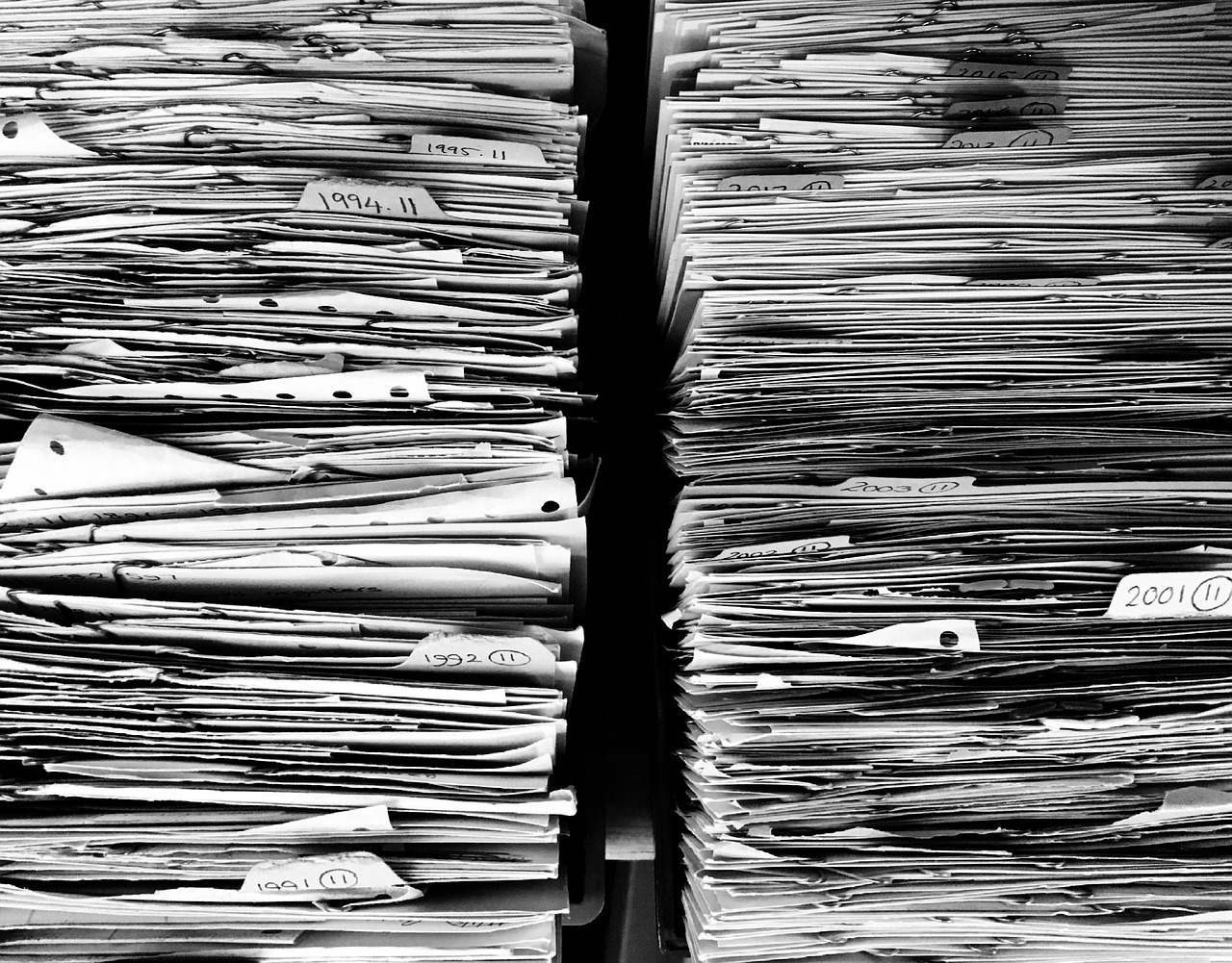
Hey everyone! Welcome back to the blog. Today, we are taking a look at a major historical development coming out of Central Europe that has got historians, politicians, and everyday citizens talking. If you have ever wondered what happens when a nation finally opens its deepest, darkest governmental vaults, Hungary is currently showing us exactly how that plays out.
In a move that has sparked intense debate, Hungary has officially opened its communist-era secret police files to the general public. According to the government, this is a necessary step to help Hungarian society heal from the deep wounds left by nearly half a century of communist rule. Prime Minister Péter Magyar addressed reporters at the state archives in Budapest, framing the release as a vital part of confronting the past.
“I ask everyone to treat this long overdue publication of documents with dignity and humanity,” Prime Minister Magyar told the press, acknowledging that many citizens will now encounter painful truths, often concerning family members who have already passed away. He emphasized that processing historical trauma is impossible without open discussion and difficult questions.
The timing of the release carries heavy historical weight. It was chosen to coincide with the anniversary of November 4, 1956, the day Soviet tanks rolled through Budapest and other cities to brutally crush the country’s brief revolution. Fulfilling a core promise from his recent landslide election victory in April, Magyar pushed this initiative forward, arguing it finally honors the commitments made by the people who worked to topple the Communist party back in 1989.
For decades, the idea of opening these archives was contemplated by various political administrations—including conservative, Socialist-Liberal, and Fidesz-led governments—but none of them actually pulled the trigger until now. While citizens have technically been allowed to request their own personal files since 1998, and historians could access certain records, the system was far from transparent. Many names were blacked out, key files were held back by post-communist security services, data frequently leaked to politically damage opponents, and plenty of documents were shredded as the communist regime collapsed between 1988 and 1989.
Starting Wednesday, however, things changed. The personal data and names of roughly 60,000 individuals recruited by the communist-era secret services are now accessible online via the nyitottaktak.hu website. Right now, this includes the release of so-called Form 6 cards, which feature full details such as the informer’s real name, codename, date of birth, address, mother’s name, recruitment motive—whether voluntary, blackmailed, or coerced—and the name of their handling officer. But that is not all; a second batch known as the “B-dossiers,” which are currently being digitized, will be published on February 25 to provide deeper insight into recruitment processes and the value of the information provided.
Estimates suggest that between December 1944 and February 1990, roughly 150,000 to 160,000 people were recruited as informers in Hungary. Many of these individuals were not willing participants; they were often cornered and blackmailed with threats of losing their jobs, educational opportunities, or access to essential medicines, or through the exposure of private matters like addictions or sex lives. Officials have noted that such intimate details will be carefully redacted from the current online disclosures.
Naturally, the decision has drawn sharp criticism from multiple angles. Some critics argue the release comes far too late, that the surviving records are incomplete, and that making them public now risks stirring up unnecessary anguish and division among families. Historian and far-right MEP Zsuzsanna Borvendég voiced strong opposition, arguing that publishing informers’ names without fully contextualizing their specific circumstances and activities could easily mislead the public. She also pointed out that in many surviving agent reports, identifying the actual agent or understanding their true motives is nearly impossible. On the flip side, historian Krisztian Ungváry, a long-time advocate for total transparency, maintains that citizens have an absolute right to see what the state recorded about them, and that access shouldn’t rely on the changing whims of those in political power.
My Take on the Release of These Historic Archives
Looking at this unfolding situation, I find myself thinking about the immense complexity of dealing with historical injustices. Based strictly on the facts reported, the government is presenting this as an act of national healing and transparency, while critics warn of hasty judgments and unhealed family trauma. As a blogger observing from the outside, the core question that immediately comes to my mind—and one that the current news doesn’t fully answer—is how the general public will actually process this data day-to-day. Will the digital availability of these names foster genuine historical education, or will it lead to digital witch hunts in local communities where nuance is easily lost behind a computer screen?
Another thing worth keeping an eye on as this story develops is the upcoming release of the “B-dossiers” on February 25. Since those files are supposed to offer a much closer look at how people were actually recruited and whether the information they passed on was deemed valuable, they might completely shift the narrative. Will those upcoming documents provide the vital context that critics say is currently missing, or will they only deepen the confusion? Only time will tell, and I definitely think this is a situation we all need to keep watching closely as more pages of history are brought to light.
What are your thoughts on opening up historical state archives like this? Is total transparency always the best path forward, or can digging into the past do more harm than good? Let me know your thoughts, and stay tuned for more updates right here on the blog!
source: feeds.bbci.co.uk (www.bbc.co.uk)