
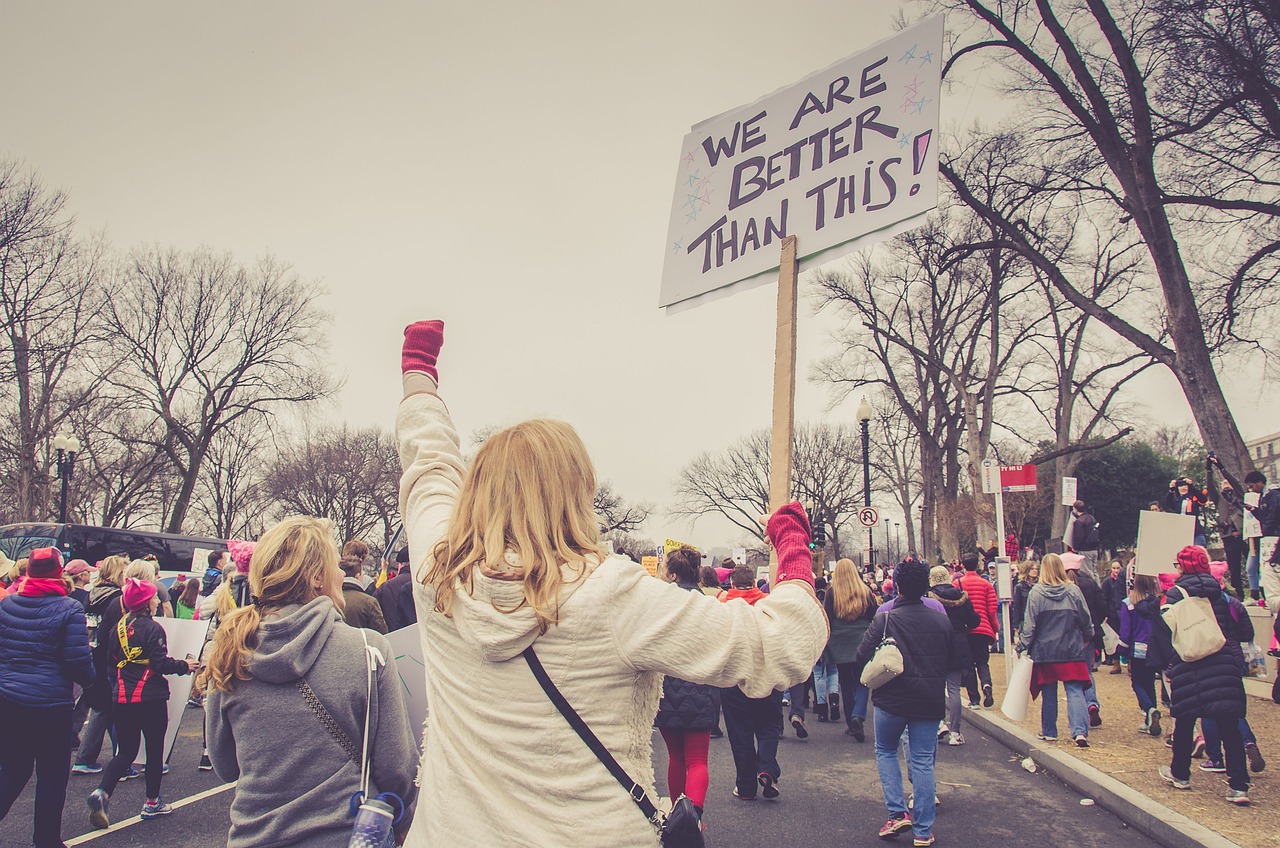
Hey there, fellow news followers! Today we are looking at a major political showdown brewing in the capital of India. If you have been keeping an eye on international headlines, you probably know that political temperatures in New Delhi are hitting a boiling point. Tens of thousands of people are expected to pour into the historic Ramlila Maidan grounds for a massive opposition rally. The main goal of this gathering? Demanding the resignation of the chief election commissioner and pushing for urgent electoral reforms.
This huge demonstration is being spearheaded by the main opposition Congress party, with organizers boldly claiming that up to a million people might show up. Major figures from the Congress-led INDIA alliance are lined up to attend, and even the influential, Gen Z-led pressure group known as the Cockroach Janta Party, or CJP, has stepped forward to pledge its support. It is shaping up to be one of the largest political mobilizations the city has seen in recent times.
So, what exactly is fueling all this anger? At the heart of the controversy is a voter-list revision exercise that has reportedly removed a staggering 130 million names from draft rolls right across the country. The Election Commission of India defends the move, explaining that the Special Intensive Revision is simply designed to clean up the registries by taking out individuals who have passed away or relocated from their registered addresses.
However, opposition groups are telling a very different story. They argue that this sweeping revision is a calculated move designed to benefit Prime Minister Narendra Modi’s ruling Bharatiya Janata Party by stripping eligible voters off the lists. Critics have gone so far as to accuse the Chief Election Commissioner, Gyanesh Kumar, and the ruling party of “vote chori,” which translates to vote theft. Both the Election Commission and the BJP have firmly denied these accusations.
The situation really boiled over back in September when a media investigation revealed that the CEC had pushed through major decisions regarding the voter roll revision without the consensus of the other two election commissioners, who reportedly raised objections more than a dozen times. Since then, protests have simmered for weeks. Last month, opposition leader Rahul Gandhi led a massive march from central Delhi to the Supreme Court, calling it just a “trailer” for the much larger Sunday event.
Ahead of the big day, Rahul Gandhi did not hold back in his criticism, telling the public that the protest is a stand against what he calls the demolition of Indian democracy. He described the immense emotional pain felt by millions who feel disenfranchised, emphasizing that the opposition is standing shoulder-to-shoulder to defend the Constitution and the fundamental right to vote.
Security measures in Delhi are predictably intense. Local police have granted permission for the rally, but it comes with strict rules, including a 5 PM hard stop, required CCTV installations at the venue, and a complete ban on marches outside the designated protest area. Meanwhile, thousands of police and paramilitary personnel have locked down roads leading to the Ramlila Grounds. The opposition has also claimed that authorities are trying to block people from traveling into the city to join the demonstration, while Gandhi has urged supporters not to be intimidated by police action.
Local businesses near the venue are feeling the tension, too. Traders in the bustling Chandni Chowk market are divided; some worry the disruption will hurt festive sales right before Diwali, while others support the protest and criticize a recent BJP march through the market for causing even more disruption.
My Take on the Delhi Protests and Electoral Integrity
When looking at this unfolding situation through the lens of political reporting, what stands out to me is how deeply trust forms the bedrock of any functioning democratic system. Based strictly on the facts provided, the core conflict is not merely a procedural disagreement over administrative paperwork; it is a profound crisis of institutional credibility. When millions of voters find themselves removed from rolls, and when internal divisions within an electoral body leak into the public eye, skepticism is bound to erupt. It mirrors historical debates seen globally where the rules of the electoral game itself become the primary battleground between ruling administrations and opposition movements.
From my perspective, the heavy-handed security deployment and the intense friction on the streets highlight a delicate balancing act that democratic capitals frequently struggle with—managing public dissent while maintaining public order. While the opposition frames this gathering as an existential defense of the Constitution, the ruling party and election authorities maintain that the process is entirely routine. As an observer, I see this rally as a pivotal barometer for public sentiment in the country. Whether it leads to tangible electoral reforms or simply deepens the existing political polarization remains to be seen, but it certainly underscores how fiercely citizens and political leaders guard their democratic rights when trust is put to the test.
As the dust settles from the weekend events, all eyes will undoubtedly remain on Delhi to see how both the government and the election commission respond to the mounting pressure from the streets. Stay tuned for more updates as this story continues to develop.
source: feeds.bbci.co.uk (www.bbc.co.uk)