
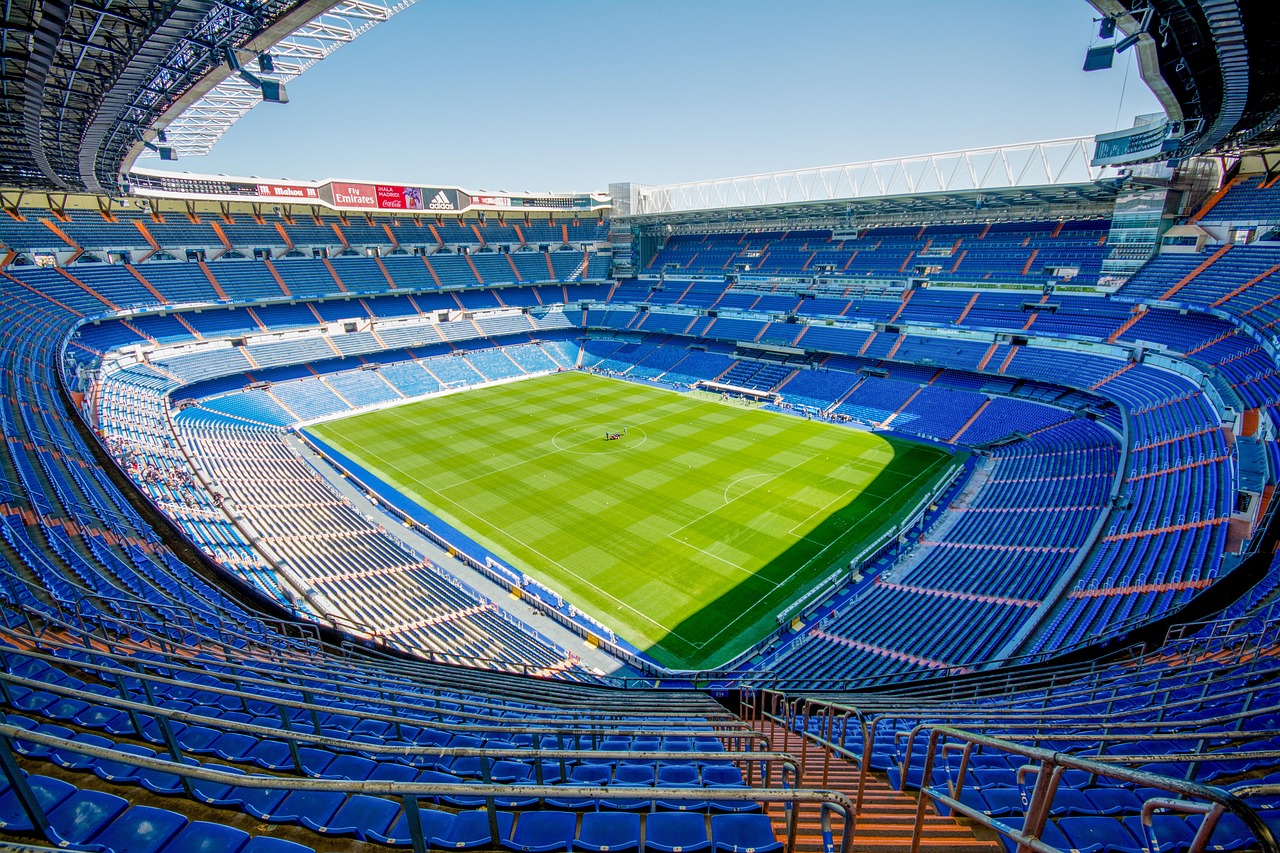
Hey there, football fans! Let us dive into the latest swirling rumors around Old Trafford. As Manchester United continues to navigate a turbulent season under Michael Carrick, the spotlight is naturally turning toward who might step up if a change is made. One prominent name currently on the radar is Eddie Howe. Since leaving Newcastle United in the summer, Howe has found himself linked with one of the most high-profile jobs in world football.
When Sir Jim Ratcliffe first came on board as a co-owner in 2024, the chatter was all about building a British core. While things haven’t exactly gone swimmingly on that front, the club is reportedly keeping an eye on experienced British managers just in case they need to pivot. Enter Howe, a boss whose reputation for hard work and player development precedes him.
The Case for Eddie Howe at Old Trafford
If you chat with people who have shared a training pitch with Howe, they paint a picture of an intense, dedicated coach. His training ground methodology is laser-focused on fostering a winning culture and actually improving the players at his disposal. Sure, he hasn’t managed one of the traditional top-six clubs yet, but his resume speaks volumes.
Back in January 2009, he took over Bournemouth when they were staring relegation from League Two right in the face. Fast forward to 2015, and he had guided them all the way to the Premier League, establishing them as a top-flight outfit before his departure in 2020. Then came his stint at Newcastle United starting in 2021. He steered them clear of the drop zone, took them to the Champions League twice, and even secured the EFL Cup in 2025, ending the club’s 56-year trophy drought.
Those kinds of achievements naturally make him a strong contender. However, jumping into the hotseat at Manchester United is an entirely different beast compared to his previous jobs.
The Hurdles and Doubts Surrounding the Move
Naturally, the idea of Howe taking over hasn’t been met with universal applause. Some vocal sections of the fanbase on social media feel he isn’t a big enough name for a club of this stature. Pundits and former players like Paul Scholes and Nicky Butt haven’t exactly thrown their weight behind him either, though figures like Roy Keane, Darren Bent, Gareth Barry, and Jack Wilshere have tossed his name into the ring as a solid option.
Aside from fan sentiment, there are financial details to consider. Even though Howe left Newcastle over the summer, any club wanting to hire him currently needs to fork over a seven-figure compensation fee. Reports indicate that this fee started around £6m and has already dropped by half, with the clause eventually expiring before the end of the season. Still, United’s leadership—including chief executive Omar Berrada and sporting director Jason Wilcox—are mindful of costs, especially given how much has been spent on hiring and firing managers in recent years.
Another talking point is how Howe would fit into the existing structure at Old Trafford. At Bournemouth and Newcastle, he held a massive amount of sway over all footballing departments, including recruitment. He played a huge role in bringing in players like Nathan Ake, Callum Wilson, Bruno Guimarares, and Alexander Isak, many of whom were later sold for hefty profits. At United, however, working alongside Berrada, Wilcox, and director of recruitment Christopher Vivell means he likely wouldn’t have that same level of absolute autonomy right off the bat. That said, Howe has previously worked alongside sporting directors like Richard Hughes and Dan Ashworth, suggesting he could adapt.
My Take on the Old Trafford Dilemma
Reflecting on this situation, I see this entire saga as a classic reminder of the heavy pressure and immense scrutiny that comes with managing a football giant like Manchester United. From where I sit, the debate over Howe highlights a deeper impatience within modern football culture, where fans and pundits constantly weigh big-name glamour against proven, hard-working managerial grit. It is fascinating to observe how decision-makers must balance public expectations, financial realities, and structural harmony behind the scenes.
Ultimately, the reported split between club chiefs—with Wilcox leaning toward Howe while Vivell apparently prefers Julian Nagelsmann—shows just how complex choosing the right path forward truly is. Whichever route the club ultimately decides to take will send a very clear message about their long-term vision. For readers and fans, it serves as a valuable lesson in patience; rebuilding a club that has cycled through multiple managers and playing styles simply cannot happen overnight, no matter who is standing on the touchline.
As things stand, the immediate future rests on upcoming fixtures and how the current leadership decides to proceed. Whether Eddie Howe ever gets the call to walk through the doors at Old Trafford remains to be seen, but his presence in the conversation proves that steady, long-term coaching achievements still catch the eye of the game’s biggest power players.
source: feeds.bbci.co.uk (www.bbc.co.uk)
Photo by alessandra1barbieri on Pixabay