
A relatively unknown corner of the artificial intelligence ecosystem has suddenly found itself sitting right under the intense spotlight. While names like CoreWeave and Nebius might sound familiar to tech enthusiasts in places like San Francisco and Silicon Valley, they are largely foreign to the general public. Yet, these particular businesses are now at the center of one of the most heated debates in the tech world.
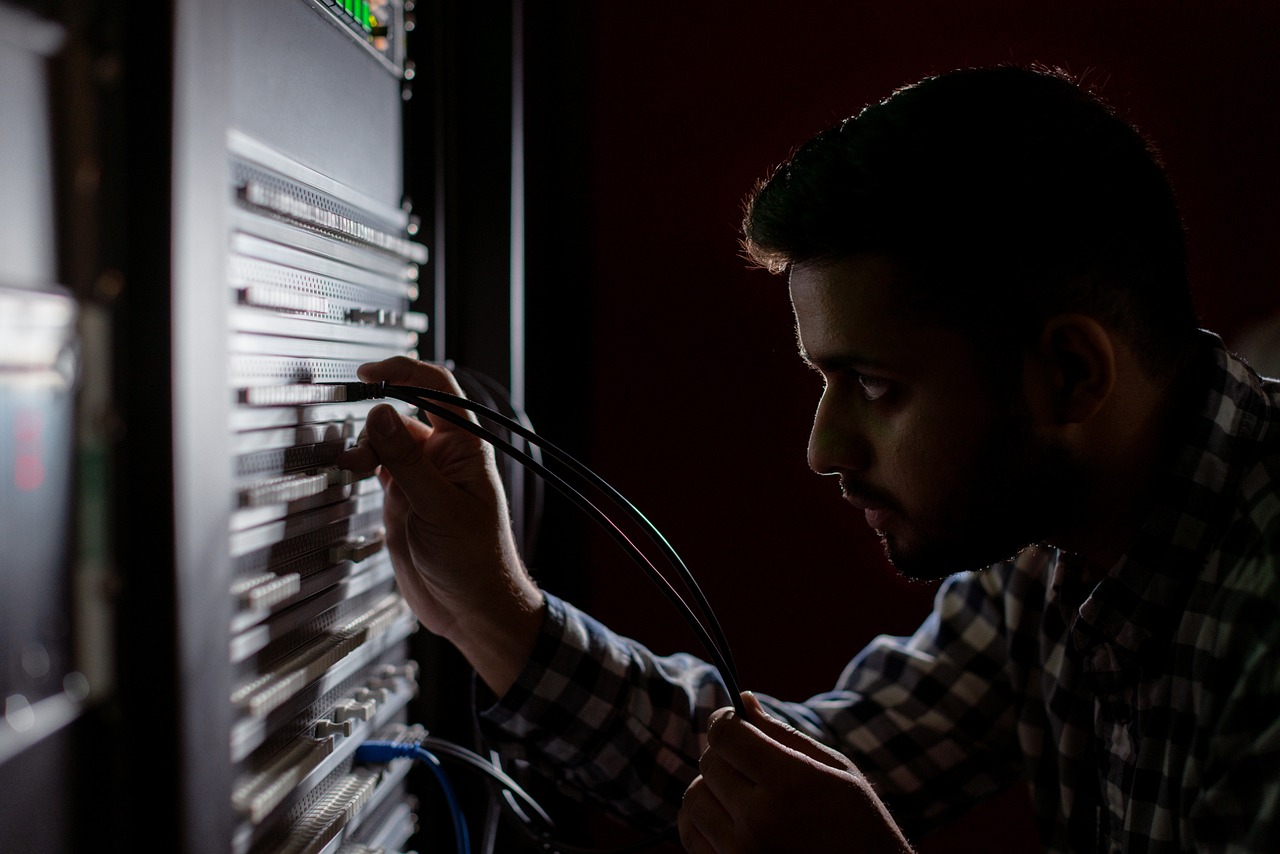
These companies are known as neocloud firms. Essentially, they operate large data centers—warehouses packed with expensive computers—which they lease out to major artificial intelligence developers like Meta, OpenAI, and Anthropic. However, many industry watchers are beginning to question whether these businesses are financially sound. Recent stumbles across the sector are raising questions about the overall health of the broader artificial intelligence economy.
The Financial Mechanics Behind Neocloud Firms
To understand the current anxiety, it helps to look at how these neocloud companies finance their operations. Many of them secure funding by signing long-term lease agreements with major tech clients who need immediate access to powerful computing resources. According to analyst Cory Johnson from the “The Quiet Period” IPO research firm, these businesses then borrow money by using both those long-term contracts and the expensive AI chips they purchase as collateral. Because the necessary hardware must be paid for upfront, relying heavily on debt has become a standard practice across the sector.
CoreWeave serves as the industry leader, though it remains a fraction of the size of the massive technology giants it serves. Johnson points out that lenders sometimes evaluate the creditworthiness of CoreWeave’s high-profile customers—such as Microsoft or Meta—more closely than they evaluate CoreWeave itself when deciding to issue loans. This unique dynamic helps explain how CoreWeave managed to accumulate a staggering $35.1 billion in debt.
Naturally, some nervous investors are beginning to have second thoughts. Over the past month, CoreWeave stock has lost roughly a quarter of its value. It is certainly not alone in this downward trend. Shares in other neocloud enterprises, including Applied Digital, IREN, and Nebius, have suffered similar or even worse drops during the exact same timeframe. At the same time, debt investors appear thoroughly spooked, demanding increasingly higher returns from several companies operating within the sector.
Despite the market turbulence, CoreWeave CEO Mike Intrator has defended his business model, publicly stating that the market is acting irrationally. He expressed confidence in the company, noting that some of the most consequential corporations in the world are currently waiting in line for its infrastructure and services.
Origins and Market Pressures
Interestingly, several of these neocloud firms trace their origins back to the volatile cryptocurrency mining industry, where companies generated digital currencies like Bitcoin. Because crypto miners utilize the same kind of physical infrastructure required to develop artificial intelligence, they were uniquely well-positioned when the AI boom exploded following the introduction of OpenAI’s ChatGPT in 2022. For instance, CoreWeave was originally founded in 2017 with a primary focus on mining Ethereum, while companies like IREN, Core Scientific, and Applied Digital also started out in crypto mining.
One notable exception is Nebius. Previously known as Yandex NV, it operated as part of Russia’s version of Google before splitting off and rebranding in 2024. Today, the overall success of all these firms is tightly tied to the fate of major AI developers and hyperscalers—even larger data center operators that neocloud companies often view as key customers.
Melissa Otto, head of Visible Alpha Research at S&P Global, describes the current situation as an arms race marked by an enormous amount of spending injected directly into the system. However, Forrester VP and principal analyst Charlie Dai points out that the fundamental trade-off of this business model is much greater financial risk whenever changes occur. This includes any potential adjustments that big tech customers might decide to make regarding their future spending plans.
Evidence of this sensitivity appeared recently when Microsoft and Google both forecasted lower artificial intelligence spending than Wall Street analysts had previously projected, causing shares in several neocloud companies to take a sudden tumble. Furthermore, a lot is riding on upcoming public stock offerings from prominent developers like Anthropic and OpenAI. Industry observers like Bradley Tusk of Tusk Ventures warn that if artificial intelligence truly proves to be a bubble and ultimately bursts, neocloud firms will undoubtedly experience severe collateral damage.
Another major factor is the cost of borrowing. The future of these companies largely depends on their ability to secure ongoing loans, a task that becomes increasingly expensive as interest rates rise. Elon Musk recently suggested on social media that this particular financial challenge could lead more than 200 neocloud companies to face widespread consolidation and steep declines, with the smallest businesses being the most vulnerable. While he noted that some will manage to make it through, he warned that the survivors will not be many.
On the other hand, analysts at Yorkville Ives maintain that demand for raw computing power still exceeds available supply. They suggest that neoclouds are successfully filling an important market gap that larger data center operators simply cannot cover. Even so, recent wobbles are hard to ignore. Microsoft recently canceled a deal with a British neocloud outfit named Nscale due to ongoing power supply issues expected to last through the decade, while Australia’s Firmus recently shelved its own plans for a public stock offering. These hurdles arrive alongside growing public pushback against large data centers and lingering questions regarding just how much practical value artificial intelligence truly adds to everyday worker productivity.
My Perspective on the Neocloud Market
Reflecting on this situation, I see the current anxiety surrounding neocloud firms as a classic symptom of rapid technological gold rushes. Historically, whenever a transformative technology emerges—whether it was the railway boom or the early dot-com era—infrastructure providers often take on staggering amounts of debt to build out capacity ahead of actual, sustained consumer demand. The fact that many of these companies pivoted smoothly from crypto mining to artificial intelligence shows an impressive level of adaptability, but it also highlights how speculative their foundational roots truly are.
From my point of view, the heavy reliance on massive long-term contracts as collateral creates a precarious house of cards. When major players like Microsoft or Google adjust their capital expenditure forecasts even slightly, the ripple effects downward to smaller suppliers like CoreWeave or Nebius feel disproportionately violent. It becomes clear that while the underlying demand for computing power is undeniably real right now, the financial scaffolding supporting these independent middleman companies might simply be too rigid to withstand a prolonged market correction or rising interest rates.
Ultimately, whether this turns out to be the definitive popping of an AI bubble or merely a painful reality check remains to be seen. What stands out to me is how interconnected the entire ecosystem has become, where the ambitions of a few dominant software developers dictate the literal survival of dozens of heavily indebted warehouse operators. If caution does not prevail in the boardroom, the predicted consolidation might arrive sooner rather than later.
For now, the debate continues to rage across Silicon Valley and beyond, leaving investors to weigh the promise of endless computational demand against the harsh realities of debt and rising borrowing costs. Whether these specialized data center firms can navigate the turbulent waters ahead will likely serve as one of the defining tests of the current technological era.
source: feeds.bbci.co.uk (www.bbc.co.uk)
Photo by This_is_Engineering on Pixabay