
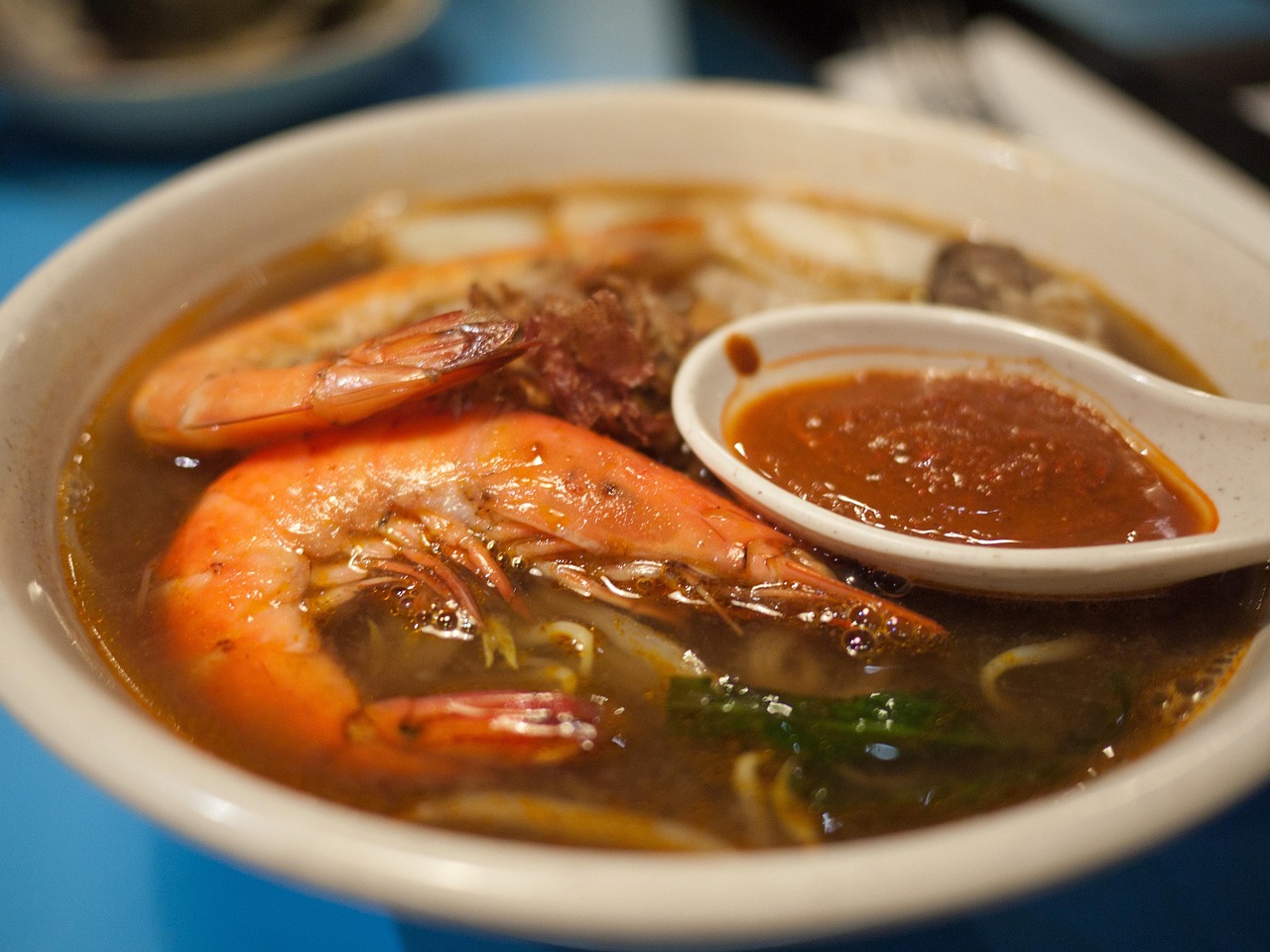
When it comes to culinary passions, the people of Darwin do not mess around. Down in Australia’s northernmost capital, locals treat a bowl of spicy, coconut curry noodle soup not just as a meal, but as a way of life. Morning, noon, or night, you will find residents slurping down their favorite bowls. They eagerly track down stalls at legendary weekend markets like Parap, Mindil Beach, and Rapid Creek. True to their local pride, many even bring along their own iconic red and round containers—made right in Australia by Décor—to stock up on takeaway.
Given this deep obsession, it makes total sense that every October, the city hosts the Darwin international laksa festival. What started as a modest month-long celebration in 2019 featuring just 33 participating venues has exploded into a massive cultural event. This year’s lineup showcased 50 distinct noodle soups alongside an incredible 175 laksa-inspired creations. Think outside the box: everything from prawn toast and savory toasties to cocktails and cold foam coffees flavored with those familiar spices.
At the heart of the festivities is the fierce competition for the golden bowl, the ultimate prize awarded to the festival’s best laksa. Instead of standard public voting for the top spot, a panel of undercover judges visits venues anonymously to sample the goods. Tradition shifted recently when the top three restaurants were asked to cook live on stage to determine the ultimate champion. This year, the organizers shook things up even further by bringing in high-profile guest judges: Australian chefs Luke Nguyen, of Vietnamese heritage, and Junda Khoo, of Malaysian background. They joined local executive chef Samantha Bennett to offer a fresh, expert perspective from outside the immediate area.
Despite the star power of the visiting chefs, the packed crowd of 500 spectators on Saturday afternoon kept their eyes firmly locked on the local finalists. A huge amount of attention centered on Jules Mou, the Singaporean-born owner of Kopi Stop. Mou took home the golden bowl in 2025, and her rich, mildly spiced creation also secured the public-voted people’s choice award this time around. To top it all off, her sister venue, Makan Stop, won the people’s choice laksa-inspired prize for their creative laksa cookies. This historic triple-crown made Mou and her kitchen partner, Kelvin Soo, the clear favorites going into the final cook-off.
Another returning finalist was Cheata Ouch from Angkor Takeaway. Ouch and her partner, Ollie Howe, were working hard running a festival stall right up until the moment the live cook-off kicked off at 6 PM. Hailing from Siem Reap, Ouch crafts her signature dish using kroeung, a lighter and much more fragrant Khmer spice paste that stands apart from the typically richer style of Southeast Asian noodle soups. Meanwhile, the third finalist was Tully Leitch, a towering former healthcare worker representing Pho Rapid Creek. Leitch crafted an untraditional bowl based on a recipe from his dad, who actually grows many of the fresh ingredients—like lemongrass, basil, and makrut lime leaves—used in the cafe’s paste.
With only 20 minutes on the clock, there simply isn’t enough time to fry up raw paste and simmer a broth completely from scratch. Instead, the finalists assembled their bowls for a blind tasting using preprepared stock, various toppings, and locally produced wheat noodles. Comedian and local enthusiast Amy Hetherington kept the attentive audience entertained throughout the event. With little of the dramatic smoke and chaotic rushing typically seen on television cooking shows, Hetherington playfully dubbed the civilized proceedings “the least Darwin cook-off ever.”
Once the cooking phase wrapped up, the finalists stepped off the stage to let the panel of judges begin their work. It was a classic muggy Darwin buildup day, and the heavy heat, ambient chilli, and intense pressure began to take a toll. Judge Junda Khoo definitely felt the strain, muttering over his headset microphone, “I’m sweating profusely … can I get some tissues on stage, please?”
As the judges compared notes, the anxious finalists watched from the sidelines, riding a rollercoaster of doubt and hope. When the panel finally returned to the microphone, the results rolled in. Kopi Stop successfully defended their titles by winning the people’s choice categories once again. Then came the moment everyone was waiting for. Luke Nguyen announced to the crowd that the judges reached a unanimous decision, with every scoresheet placing the exact same bowl at number one due to its exceptional seasoning and body.
Before Nguyen could even finish pronouncing the first syllable of the winning name, a triumphant scream pierced the air. Cheata Ouch leaped into the air, hands clapped over her mouth in pure disbelief. As Nguyen put it while addressing the ecstatic winner, the judges could genuinely taste the immense time, dedication, and passion poured into the food.
My Thoughts on the Ultimate Comfort Food Competition
Reading about this vibrant celebration makes me appreciate how food can anchor a community’s identity in such a joyful way. According to the details shared, what stands out to me is how a dish like laksa evolves from a daily staple into a massive public festival that embraces multiculturalism so openly. It is fascinating to see a city rally behind local cafe owners with the same kind of passionate enthusiasm usually reserved for major sporting grand finals. The atmosphere described during the live cook-off bridges the gap between everyday neighborhood eateries and high-stakes culinary arts.
I also find it genuinely charming that the event manages to stay grounded despite growing in scale each year. From the relaxed commentary by the local comedian to the organic inclusion of homegrown herbs and family recipes, the entire scene feels deeply personal. In my view, competitions like this highlight the quiet dedication of small business owners who might otherwise stay hidden away in light industrial areas, far from the flashier parts of the restaurant scene. It is a brilliant reminder that community food festivals do not need manufactured television drama to be utterly compelling; the genuine pride and nervous energy of the cooks are more than enough.
source: theguardian.com (www.theguardian.com)
Photo by melvinchia on Pixabay