
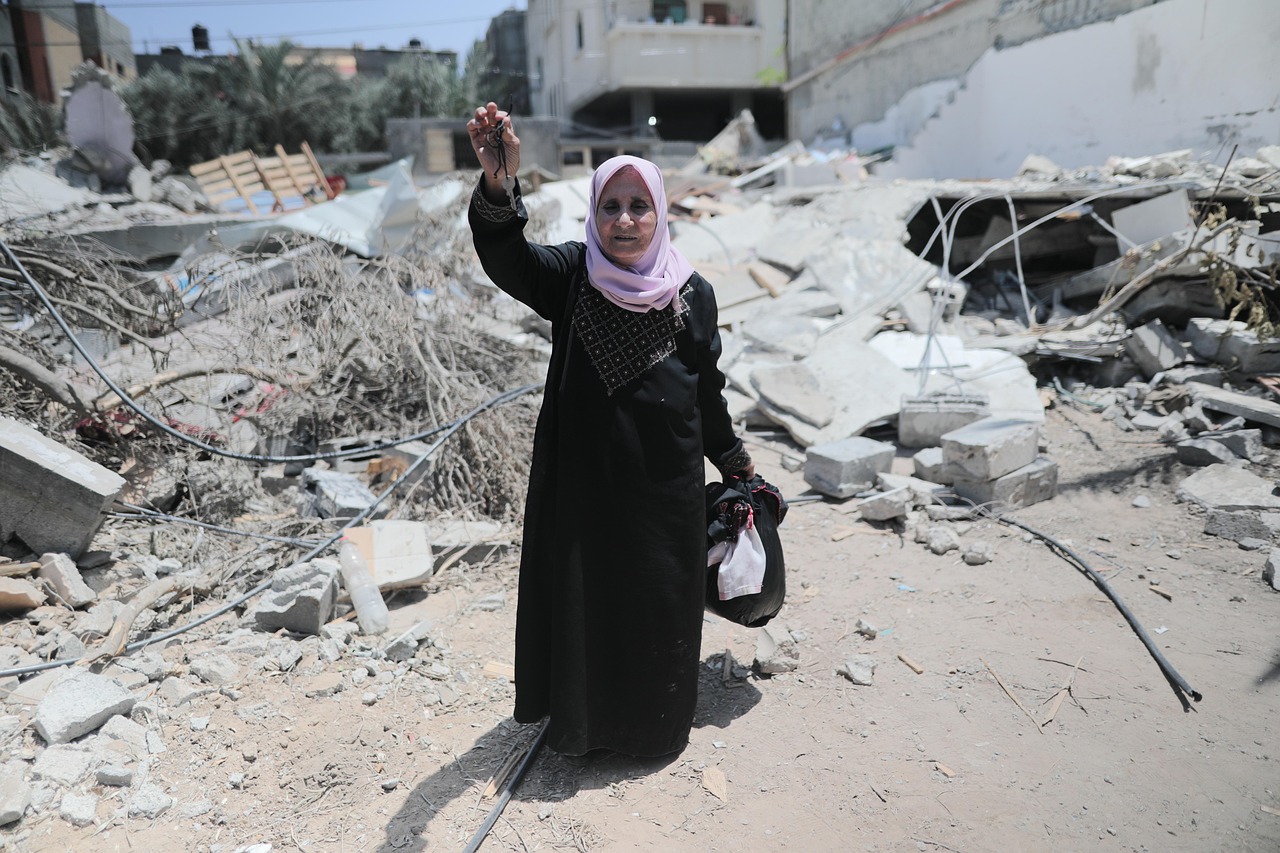
Hey there, folks! Welcome back to the blog. Today, we need to talk about some heartbreaking news coming out of the Middle East. Even though a ceasefire has been in place for a year now, the reality on the ground remains devastatingly violent for many families trying to survive the ongoing crisis. Recent reports from local hospitals confirm that fresh Israeli strikes in Gaza have claimed the lives of at least eight people, including a young child.
Let’s break down what actually happened during these latest incidents. According to hospital officials in Gaza City, a missile strike hit a group of civilians gathered near the Cairo School located in the Al-Rimal neighbourhood. This specific attack resulted in the deaths of three individuals, which tragically included a four-year-old boy. The loss of such a young life is always a profound tragedy that reverberates deeply through any community.
Moving down to the southern part of the territory, specifically in the city of Khan Younis, another attack took place. The interior ministry, which is run by Hamas, reported that a drone strike targeted a group of police officers in the Al-Mawasi area. These officers were reportedly carrying out their routine daily duties when the attack occurred, leaving five of them dead. The ages of the police officers who lost their lives ranged between 23 and 53 years old, and the ministry has strongly condemned the incident.
When questioned about these military actions, the Israeli military stated that they had carried out two separate attacks aimed at what they described as military operatives. However, as of now, they have not yet provided any further information or public evidence to support that specific characterization of the targets.
The human toll of these strikes was captured in distressing scenes outside local medical facilities. Outside Shifa Hospital in Gaza City, footage showed a gathering of men participating in prayers next to two body bags. Alongside them lay the very small body of the young child, gently wrapped in a white towel. A grieving family member, Ali Oweis, shared his anguish with the AFP news agency, pointing out that his son and grandchild were simply sitting in their tent bothering nobody when the missile struck. His emotional words captured the bleak reality felt by many: he questioned the existence of any truce, stating that the war clearly feels ongoing.
Similar scenes of grief unfolded at Nasser Hospital in Khan Younis, where women mourned openly as body bags rested on the floor. The interior ministry formally released the names of the five fallen police officers and labeled the event a horrific massacre.
To understand the wider context here, we have to look back at the timeline of the region. A ceasefire officially came into effect in Gaza back in October of last year. That agreement led to the release of thousands of Palestinian detainees held by Israel in exchange for all remaining 48 hostages held in Gaza, alongside an agreement aimed at ending the war altogether. The broader conflict itself was originally triggered by the Hamas-led attack on Israel on October 7, 2023, which resulted in about 1,200 deaths and the taking of 251 hostages.
Despite that October ceasefire agreement, Israeli airstrikes have continued on an almost daily basis. According to the health ministry in Gaza—whose figures are considered reliable by the United Nations—the death toll since the ceasefire began has reached 1,580 people. While Israel maintains that its operations target Hamas militants, the unfortunate reality is that civilians frequently end up killed in the crossfire. In total, the health ministry reports that 74,594 people have been killed in Gaza since the war first started.
Meanwhile, diplomatic efforts to bring lasting stability have hit major roadblocks. A comprehensive peace plan for Gaza, which had been brokered by the Trump administration, has stalled out, leaving the diplomatic track frozen while the situation on the ground continues to deteriorate for ordinary residents.
My Take on the Ongoing Crisis and What It Means for the Future
Looking at these continuous updates, I cannot help but feel a deep sense of sorrow for the everyday people caught in the middle of this prolonged nightmare. When we read about a ceasefire that supposedly exists on paper while air strikes still happen almost daily, it highlights a profound disconnect between diplomatic agreements and the brutal reality on the ground. To me, this situation demonstrates just how fragile peace frameworks can be when deep-rooted hostilities and security concerns are left fundamentally unresolved. The fact that casualties continue to mount—including children playing near tents and police officers on routine duty—suggests that true security remains entirely elusive for everyone involved in this conflict.
From a broader perspective, the stalling of the peace plan brokered by the Trump administration is deeply concerning for the future of the region. Without a functioning diplomatic roadmap or a genuinely enforced cessation of hostilities, the risk of falling back into all-out escalation remains dangerously high. Based on the facts reported, when peace talks stall and military operations persist, the civilian population bears the heaviest burden, leading to an endless cycle of grief, displacement, and destruction. Moving forward, I believe that unless international mediators find a way to revitalize peace negotiations and ensure strict, accountable adherence to truces, the humanitarian situation will only continue to deteriorate, making any long-term stability harder and harder to achieve.
Let’s all keep our thoughts with the innocent families and children whose lives have been upended by these tragic events. Thank you for reading today’s update, and I hope to see you back here for more nuanced discussions on global news. Stay safe, everyone.
source: feeds.bbci.co.uk (www.bbc.co.uk)
Photo by hosnysalah on Pixabay