
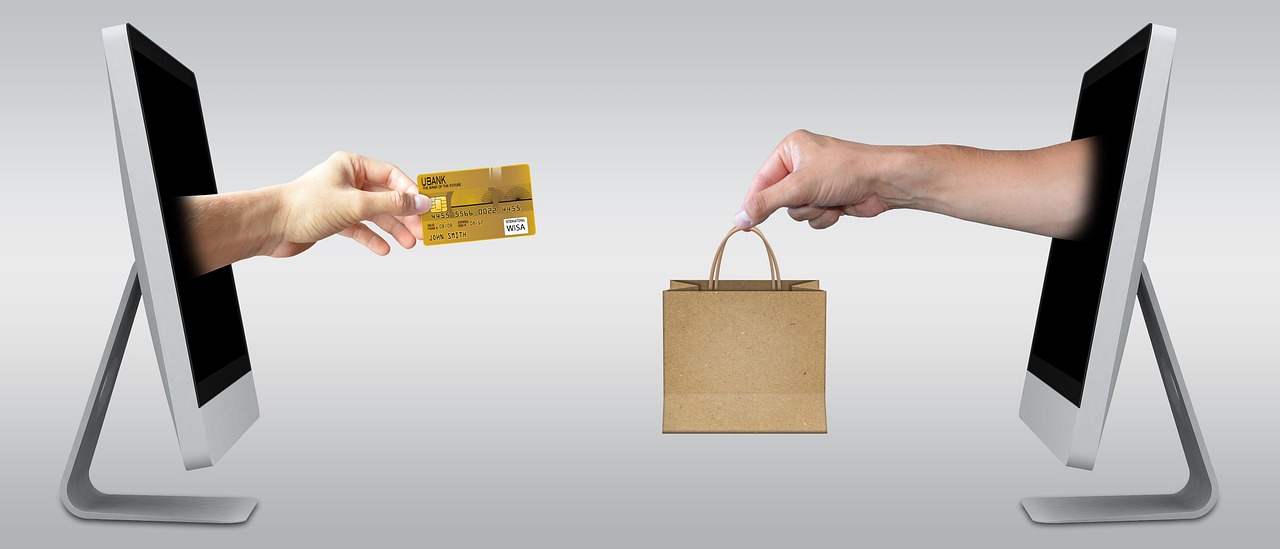
Hey there, fellow shoppers! If you are anything like me, you have probably noticed how easy it is to click that familiar checkout button and split your purchases into smaller chunks. It feels like a breeze, right? Well, things have shifted quite a bit lately in the world of online shopping. If you have grabbed anything using a Buy Now Pay Later service over the past few months, you might have already noticed a slight difference in how the checkout process feels.
For a long time, these installment-based payment tools operated in a bit of a different space. Even though they essentially functioned as loans, they only officially came under strict regulation a few months ago, specifically back in the summer. Because of this official shift, companies offering these services now need proper approval from regulators to keep running their platforms. For consumers, this brings some nice perks, such as better access to refunds and a formal way to handle complaints independently if something goes sideways with an order.
However, that official oversight also brings a major change that everyone needs to keep on their radar: mandatory affordability checks. Lenders like Klarna and Clearpay now have to test whether you can actually afford what you are trying to buy before approving the transaction. Depending on how much you are trying to spend, these checks vary. If the system decides you might struggle to repay, your purchase gets blocked. With the busy holiday season creeping up and finances feeling a bit tight for many, getting that sudden block at checkout can be a frustrating surprise.
To help us all navigate these updated Buy Now Pay Later rules without hitting a wall, experts have shared some practical guidance. Sara Williams, a former volunteer debt adviser at Citizens Advice who shares tips online as Debt Camel, suggests four key things to keep in mind if you find your account closed or your borrowing limit slashed:
- Slow down your shopping: Take a moment to think if what you are grabbing is truly essential, or if you can comfortably push the purchase to a later date.
- Be strategic with items: Try to be more mindful of what goes into your cart to avoid needing a huge credit limit. For instance, ordering tons of clothes in different sizes just to try them on can quickly max out your allowed spending.
- Cut unnecessary subscriptions: Trimming down your recurring monthly services can help you escape the cycle of relying on deferred payment schemes just to cover past costs.
- Reach out to charities: If you find yourself turning to these installment services just to afford basic everyday essentials, it is a good idea to talk to debt charities for guidance and access to support like food bank vouchers.
The core takeaway is simple: if you are feeling the pinch or struggling to keep up with repayments—whether it is a deferred payment plan or any other type of loan—it is crucial to address it early before things get out of hand. There are reliable, government-backed resources out there like the MoneyHelper website, which offers free advice guides, benefit calculators, and tools to help prioritize your bills so you know exactly which payments need your attention first. Just remember to steer clear of random debt solutions popping up on your social media feeds and stick to trusted, independent advice.
My Take on the New Financial Landscape
Looking at these updates, according to the facts provided, the shift toward official regulation and mandatory affordability checks is clearly designed to add a layer of consumer protection. It makes sense on paper. After all, preventing people from digging themselves into a hole they cannot climb out of sounds like a responsible move for both lenders and shoppers. But as a blogger trying to look at the bigger picture, I find myself wondering about the immediate real-world friction this creates for everyday consumers.
What the report doesn’t fully answer is how transparent or forgiving these new automated affordability algorithms actually are for the average person. Will a simple temporary dip in a credit profile block someone from buying essential items during an emergency? We also have yet to see how strictly these rules will change consumer spending habits during the heaviest shopping months of the year. While the tips provided offer a great roadmap for personal budgeting, the grey areas of how these blocks are determined leave plenty of room for confusion.
Personally, I think it is worth watching how these platforms adapt their user interfaces and customer service responses as more shoppers encounter these automated blocks for the first time. Will they make the appeal process smooth, or will it just add more stress to an already complicated financial climate? Only time will tell, but for now, it definitely pays to be extra mindful of how we click and spend.
Alright, that is all for today’s quick financial check-in. Stay smart with your budgets, keep an eye on your spending habits, and I will catch you in the next post!
source: feeds.bbci.co.uk (www.bbc.co.uk)
Photo by Mediamodifier on Pixabay