
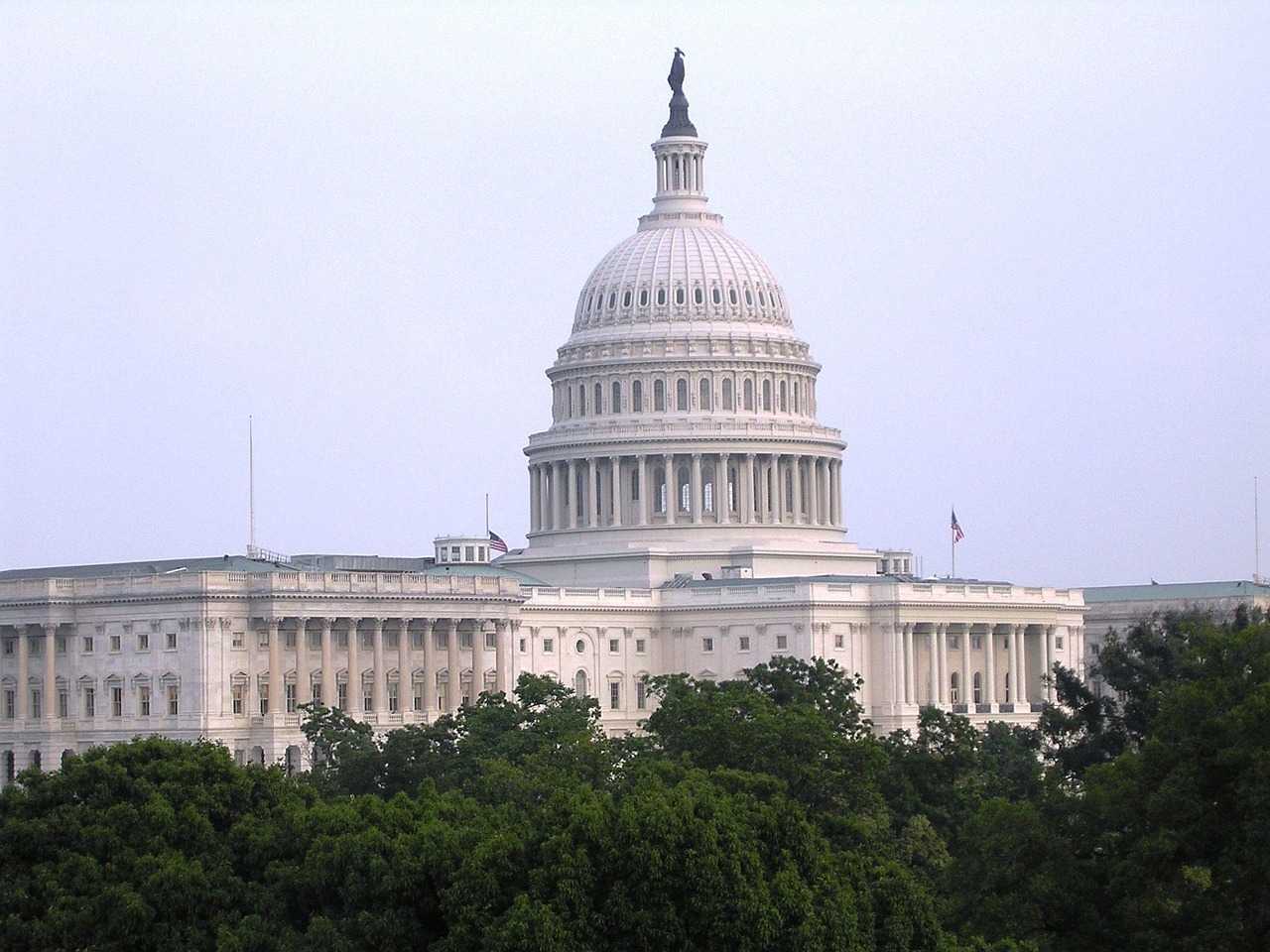
Hey there, politics watchers! If you have been keeping an eye on the news lately, you probably know that political seasons are always full of drama, grand speeches, and high stakes. Right now, all eyes are turning toward the upcoming US midterm elections, and folks are wondering if we are about to see a massive political shift in Washington. Conversations everywhere are buzzing about whether the political pendulum is about to swing hard in a specific direction.
To understand where things stand right now, we have to look back at how the current political landscape was set up. The commander-in-chief has been traveling extensively, holding numerous campaign rallies and trying to help his party keep control of the US Congress. Even though midterm history usually brings pain to the party currently holding the White House, the leadership has remained quite confident. However, a specific plea made during a summer convention changed the entire game, essentially turning these midterms into a direct national referendum on the administration’s second term.
Political analysts and party insiders have pointed out that nationalizing these races might have unintended consequences for local candidates. Usually, candidates prefer to run on local issues that fit their specific districts, but the dynamic this time around has made it nearly impossible to separate individual races from the person sitting in the Oval Office. Historical trends show that incumbent presidents often lose seats during midterms—sometimes by quite a large margin—and current approval ratings suggest that history might repeat itself in a significant way.
Several issues have piled up to challenge the governing party’s coalition. Voters have expressed frustration over a variety of concerns, ranging from economic pressures to international developments. Promises made on the campaign trail are being weighed against everyday realities, and many citizens are feeling the pinch in their wallets. When people go to the grocery store or the gas station and notice prices climbing, those macro-level economic factors tend to take center stage, overshadowing other political messaging.
The economic squeeze is tied directly by many voters to recent policy choices, including broad foreign tariffs and military involvement overseas. These choices have sent ripples through global energy markets, driving up fuel costs and impacting agriculture and transportation across the country. Experts point out that voters are drawing a straight line between executive actions and the financial difficulties they face on a monthly basis, making affordability the number one topic on everyone’s mind.
This widespread frustration has naturally given a major boost to the opposition. Democratic candidates, particularly women stepping up in suburban districts that were once thought out of reach, are seeing incredible energy on the ground. Campaign organizers note that voters are looking for fresh leadership that understands the daily struggle of making ends meet. Meanwhile, conservative strategists had initially hoped their candidates could keep the focus on local achievements, but the national spotlight has made that strategy tough to pull off.
Another fascinating development in this election cycle is the noticeable shift among specific voting blocs. Analysts have highlighted changes in support from Latino voters, a group that showed significant alignment with the ruling party in the previous presidential run. Following aggressive deportation campaigns and high-visibility enforcement raids, support in key areas has cooled considerably, adding another layer of challenge for conservative candidates trying to hold onto tight seats in places like Texas and beyond.
My Thoughts on the Current Political Momentum
Looking at all of this, what stands out to me is how quickly political momentum can shift when everyday economics take the wheel. According to the facts in the reports, voters are connecting their personal financial pain directly to Washington’s policy decisions—whether that is through tariffs, foreign conflicts, or shifting trade dynamics. In my view, this election cycle is a classic reminder that no matter how strong a political movement might feel during a presidential election, the harsh reality of the cost of living will almost always break through the noise during a midterm.
I also think the decision to nationalize these races was a massive gamble. When you tell voters to treat you as if you are personally on the ballot, you shoulder the blame for every economic hardship, policy misstep, and broken promise. Moving forward, the results of these midterms are likely going to reshape the final two years of the current presidential term and set the battlefield for the next big race to the White House. It shows just how fragile political coalitions can be when they are built primarily around individual star power rather than steady, long-term economic stability.
As the final votes are tallied and early voting numbers continue to roll in, both parties are holding their breath. Whether this energy turns out to be a standard midterm correction or a truly historic wave, the message from the electorate is loud and clear: people are voting based on what is in their bank accounts and how they feel about their daily lives. We will just have to wait and see how Washington reacts to the verdict.
source: theguardian.com (www.theguardian.com)