
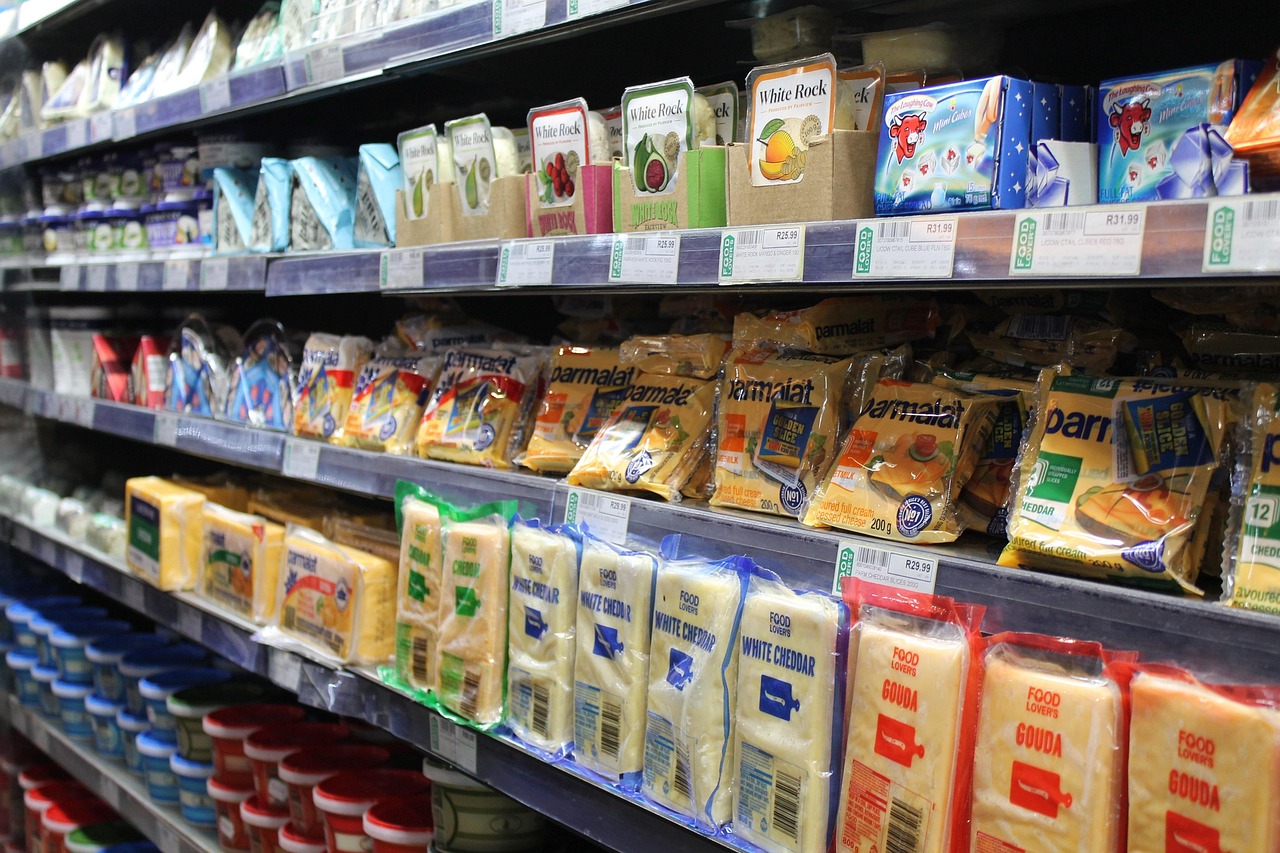
Hey everyone, let’s talk about a pretty wild story coming out of Europe that really shows how much we rely on digital systems every single day. Imagine walking into your local grocery store, only to find towering piles of perfectly good food being thrown straight into the trash because of something happening invisible to the naked eye. That is exactly what recently went down in dozens of supermarkets scattered across several European nations after their refrigeration and cooling units were hit by a sudden cyber-attack.
When we think about online security breaches, most of us picture hackers going after bank accounts, stealing personal data, or maybe locking up corporate computer networks. But this incident brings to light a much more physical, tangible kind of chaos. The cyber-attack targeted the commercial freezers and refrigerators keeping perishable items fresh, completely knocking out their temperature controls and turning high-tech cooling systems into ticking clocks for thousands of products.
Which Countries and Stores Were Hit?
The reach of this digital disruption was surprisingly wide, touching grocery stores in multiple countries. Some of the most severe damage was reported in Belgium and Luxembourg. In those two regions alone, around 40 Delhaize supermarkets found themselves caught in the middle of the mess, scrambling to deal with systems that had gone entirely haywire.
However, the trouble didn’t stop at the Belgian and Luxembourg borders. Similar unsettling incidents popped up in stores spread across Sweden, Ireland, the Netherlands, Estonia, and Finland. It highlights just how interconnected modern retail logistics really are, and how a single malicious digital strike can ripple across international lines, affecting multiple independent markets almost simultaneously.
Mountains of Waste and Heavy Financial Losses
To really understand the scale of what happened, we can look closely at one specific location. At a Delhaize branch located in Hoeilaart, just outside the bustling Belgian capital of Brussels, reporters witnessed the sheer heartbreak of the aftermath. Mountains of food—including everyday items like frozen pizzas, ice cream, and countless other temperature-sensitive goods—were piled high, waiting to be scrapped because they were no longer safe for anyone to consume.
As you can probably guess, throwing out entire inventories of chilled and frozen goods doesn’t come cheap. Just that single store in Hoeilaart estimated that the cost of the damage would run to more than €100,000, which translates to roughly £83,500. When you multiply that kind of heavy financial hit across dozens of affected locations in multiple countries, the total economic toll starts looking staggering. And beyond just the money, watching all that food go completely to waste is a tough pill to swallow for store owners, employees, and shoppers alike.
My Take on the Digital Vulnerability of Everyday Goods
Looking at this whole situation, I find it equal parts fascinating and deeply unsettling. As we march further into an era where everything from our watches to our supermarket freezers is hooked up to the internet, we often focus entirely on the convenience factor. Smart appliances make inventory management smoother and energy tracking more efficient, but incidents like this serve as a glaring reminder of the dark side of that connectivity. When everything relies on code, a single vulnerability suddenly becomes a threat to physical goods, local economies, and basic resources like food.
What stands out to me most is the sheer disconnect between a hacker sitting behind a screen typing malicious lines of code and a grocery store worker in a small town throwing away massive heaps of melting ice cream and spoiled groceries. It bridges the gap between cyber space and the physical world in a very harsh way. For everyday shoppers and business owners, this should act as a massive wake-up call about the importance of beefing up digital defenses for critical infrastructure, even down to the cooling units in the back of the local grocery store. We tend to think of cybersecurity as purely an IT problem, but as this European incident proves, it is rapidly becoming an issue that affects what ends up on our plates—or, in this case, what ends up in the dumpster.
Ultimately, incidents like this force us to re-evaluate how we secure our modern supply chains. While technology will undoubtedly keep moving forward and bringing smart solutions to retail, we clearly have a long way to go in ensuring our basic physical needs are safely insulated from digital threats.
source: feeds.bbci.co.uk (www.bbc.co.uk)
Photo by AlbanyColley on Pixabay