
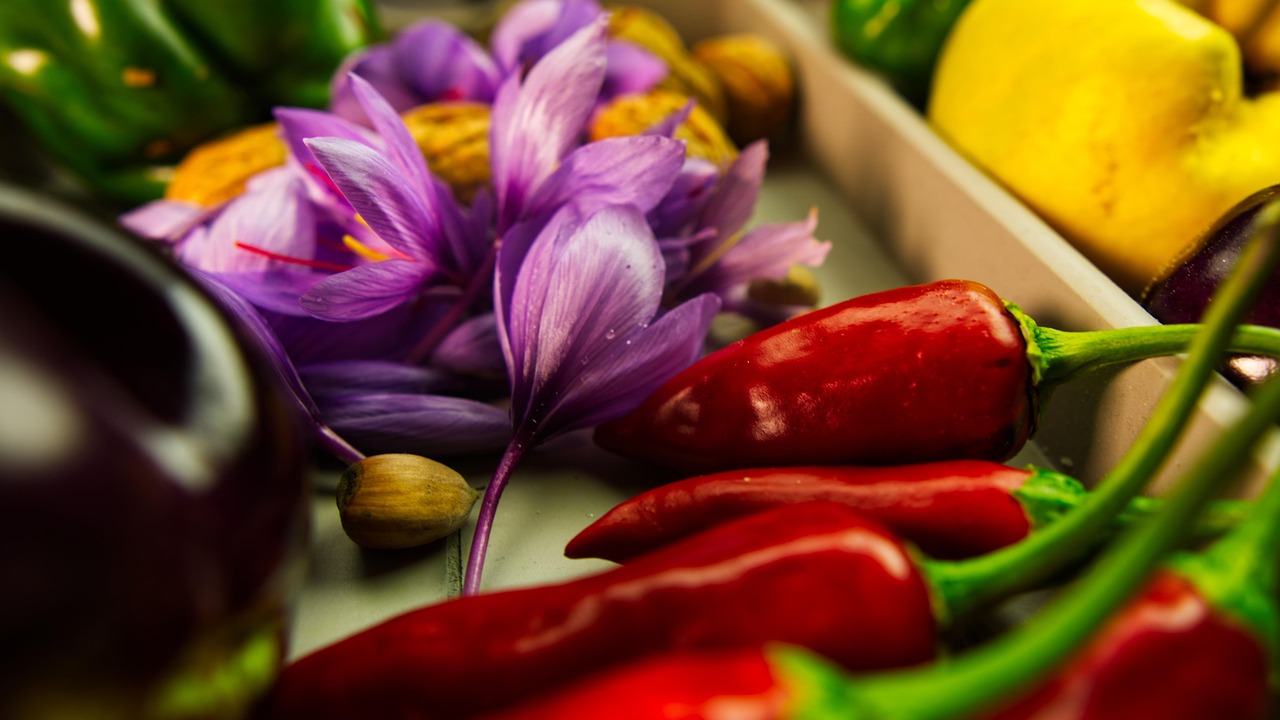
Hello there, foodies and curious minds! Today, we are taking a little visual journey to a place that produces something often called “red gold.” If you have ever wondered where some of the world’s most luxurious and expensive spices come from, let’s talk about the breathtaking saffron harvest in Kashmir. Grab a warm cup of tea, get comfortable, and let’s explore this fascinating agricultural tradition together through vivid imagery and storytelling.
When people think of expensive ingredients, things like truffles or caviar usually come to mind. But right up there at the very top of the list is saffron. This vibrant spice is famous across the globe for its wonderful aroma, unique flavor, and the gorgeous golden color it brings to various dishes. But before it ever reaches a spice jar in a gourmet kitchen, it starts out as a delicate purple flower blooming in the fields.
The Heart of Saffron Cultivation in India
The primary home of this precious spice in India is the Pampore region, located in Jammu and Kashmir. When the season arrives, the landscape undergoes a striking transformation. Fields burst into shades of purple as the saffron flowers bloom, creating a scenery that looks almost like a painting. Farmers and local workers step out into the crisp autumn air to gather the harvest by hand.
The nickname “red gold” is not an exaggeration at all. Saffron commands such a hefty price tag because of the immense labor involved in harvesting it. Every single flower must be hand-picked carefully so the plant is not damaged. Once the flowers are collected, the real painstaking work begins indoors. Workers manually separate the delicate threads from the rest of the flower. These crimson threads are what eventually become the spice we recognize in cooking and traditional uses.
A Tradition Passed Down Generations
Looking at the visuals of the harvest, you get a strong sense of community and heritage. Families and local communities in Pampore work together during this period, turning the harvest into a communal event. It is an annual rhythm that has been part of the region’s identity for generations. The connection between the people of Kashmir and the land is deeply evident in the way they handle these fragile purple blossoms with such utmost care and respect.
The process requires incredible patience. Because a vast number of flowers are needed to produce just a tiny amount of the dried spice, the hours are long and the work demands steady hands. Yet, despite the intense labor, the atmosphere captured in these scenes reflects a profound dedication to preserving a craft that defines their local economy and cultural heritage.
My Thoughts on the Timeless Appeal of Saffron
As I look at the details of this stunning harvest, I find myself thinking about the incredible journey a single spice takes from a muddy field in the Himalayas to a high-end kitchen halfway across the world. It is fascinating how humanity has spent centuries refining methods for things that simply cannot be rushed or mechanized easily. The fact that saffron still relies entirely on human hands for harvesting and processing makes it feel almost rebellious in our hyper-automated age.
At the same time, this imagery leaves me with a few lingering questions that the standard photo features rarely address. What does the future hold for these generational farmers amidst changing global climates and shifting agricultural markets? While the visual beauty of the purple fields is undeniable, I wonder how sustainable this delicate ecosystem of farming is for the younger generation living in Pampore today. Will they continue the tradition, or will economic pressures push them toward other industries? These are the human-centric aspects I would love to see explored further, as the true value of red gold isn’t just financial—it is deeply cultural.
Until we get those answers, we can certainly appreciate the sheer artistry captured in the fields of Kashmir. It serves as a lovely reminder of the rich, slow processes behind the things we often take for granted on our pantry shelves. Thank you for stopping by to read and explore this glimpse of world agriculture with me today. Let me know your thoughts down below, and I will see you in the next post!
source: theguardian.com (www.theguardian.com)