
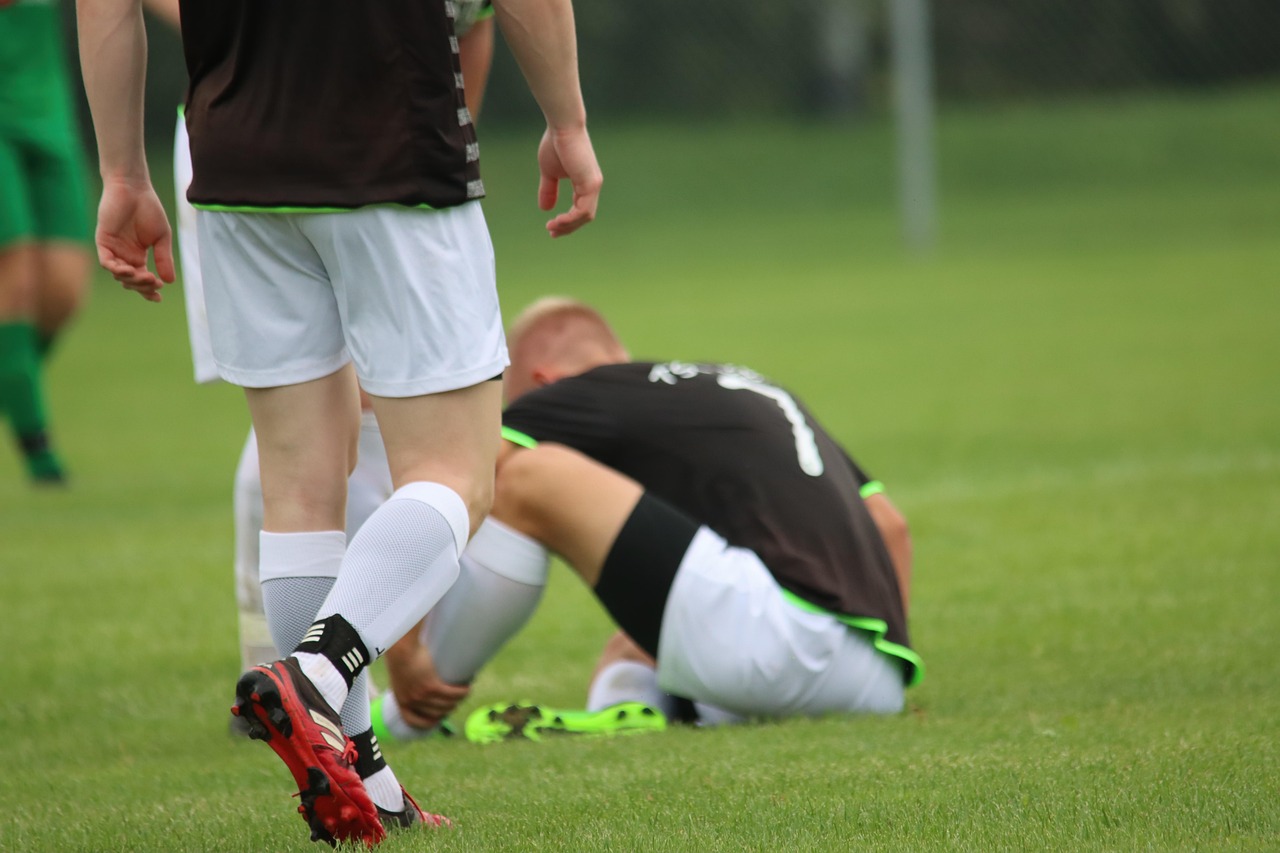
Hey there, football fans! Welcome back to the blog where we chat about the beautiful game and all its ongoing headaches. Today, we are diving straight into a topic that has been doing the rounds in pubs and living rooms across the country: do football players actually need to hit the deck to get a penalty? It is a question that pops up every single week, but a recent high-profile match has really put this frustrating dilemma back into the spotlight.
Let us set the scene. Imagine watching a tight, tense match where every single moment counts. Bradley Barcola fires a cross right into the Arsenal penalty area, and Liverpool striker Alexander Isak looks ready to leap up and nod home an equalizer. Unfortunately for the Sweden international, he just misses making contact with his head, and the ball drifts harmlessly out of play. Standard stuff, right? Isak simply turns around and jogs back up the field, getting ready for the goal-kick.
Except, television replays quickly showed something quite different. Jurrien Timber, the Arsenal defender, had a handful of Isak’s shirt. Not just a tiny tug, but a proper handful. Surely, a grip like that stops a striker from getting to the ball? Yet, Isak did not complain. If you had watched the game live without those replays, you would never have guessed a potential penalty incident had just occurred. The referee on the pitch, Andy Madley, missed it entirely, and the video assistant referee (VAR), Stuart Attwell, looked at it and decided there was not enough in it to warrant an official review.
Naturally, the post-match reaction was fiery. Liverpool manager Andoni Iraola cut a frustrated figure after his side’s 1-0 defeat at Anfield. He pointed out the obvious shirt grab and shared a blunt assessment of the modern game: if you do not dive, the officials simply will not award you anything. It is a harsh reality that leaves fans scratching their heads. On the flip side, when players *do* exaggerate contact and throw themselves to the ground, they get heavily criticized by pundits and supporters alike. It feels like a lose-lose situation.
To put this into perspective, we only have to look at another recent fixture to see how inconsistently these things can go. Think back to a game between Sunderland and Fulham. Harry Wilson lofts a free-kick into the box, and the goalkeeper punches it away. But down on the turf, Fulham’s Calvin Bassey immediately jumps up, arms outstretched, demanding a spot-kick for a shirt pull by Brian Brobbey. The referee initially misses it, but the VAR steps in, sends the referee to the monitor, and a penalty is given. The similarities between that incident and the Timber-on-Isak situation are striking. One resulted in a penalty because a player made an appeal and hit the ground, while the other resulted in nothing because the player just walked away.
Former Premier League assistant referee Darren Cann pointed out to the media that shirt holding has to be sustained to be considered a clear offense, though opinions always vary wildly on what counts as sustained. But the biggest factor seems to be the player’s reaction. If a player walks away as if nothing happened, officials are far less likely to flag it.
My Thoughts on Football’s Ongoing Officiating Puzzle
Reflecting on this whole debate, I find myself torn between two very different sides of the sport. On one hand, I completely understand the frustration of managers like Andoni Iraola. When you see clear defensive holding stopping an attacking player from reaching a cross, it feels deeply unfair that the attacking team gets punished just because their player tried to stay honest and play the game the right way. It creates a perverse incentive where honesty feels penalized, and theatrics get rewarded. That is a tough pill to swallow for anyone who loves traditional, gritty football.
On the other hand, I also have a lot of sympathy for the referees and the VAR officials who have a brutally difficult job. UEFA referees’ chief Roberto Rosetti warned earlier this year that there were simply too many reviews happening, which had unfortunately encouraged players to fish for fouls and try to manufacture decisions. With a much higher threshold for VAR intervention this season, officials are trying to filter out soft contact and minor tussles that happen naturally in every single penalty box. If every little shirt tug resulted in a lengthy video review, matches would drag on forever, and the flow of the game would be entirely ruined.
Ultimately, the middle ground feels agonizingly hard to find. As fans, we say we hate diving and playacting, yet the current system almost inadvertently forces players to dramatize contact just to get the officials to take a proper look. While I appreciate the effort to keep the bar high and let the game flow naturally, consistency remains the elusive holy grail. Until referees and VAR can find a reliable way to police off-the-ball holding without needing a theatrical swan dive from the attacker, this frustrating dilemma is going to stick around.
So, where do we go from there? The debate over whether players need to go to ground to win major decisions is far from settled, and every controversial weekend brings new talking points. Whether you think Arsenal got away with one at Anfield or believe the officials got the threshold right, one thing is certain: football’s relationship with technology and player behavior remains as complicated as ever. Make sure to drop your thoughts in the comments below, and let’s keep the conversation going until the next big matchday!
source: feeds.bbci.co.uk (www.bbc.co.uk)
Photo by planet_fox on Pixabay