
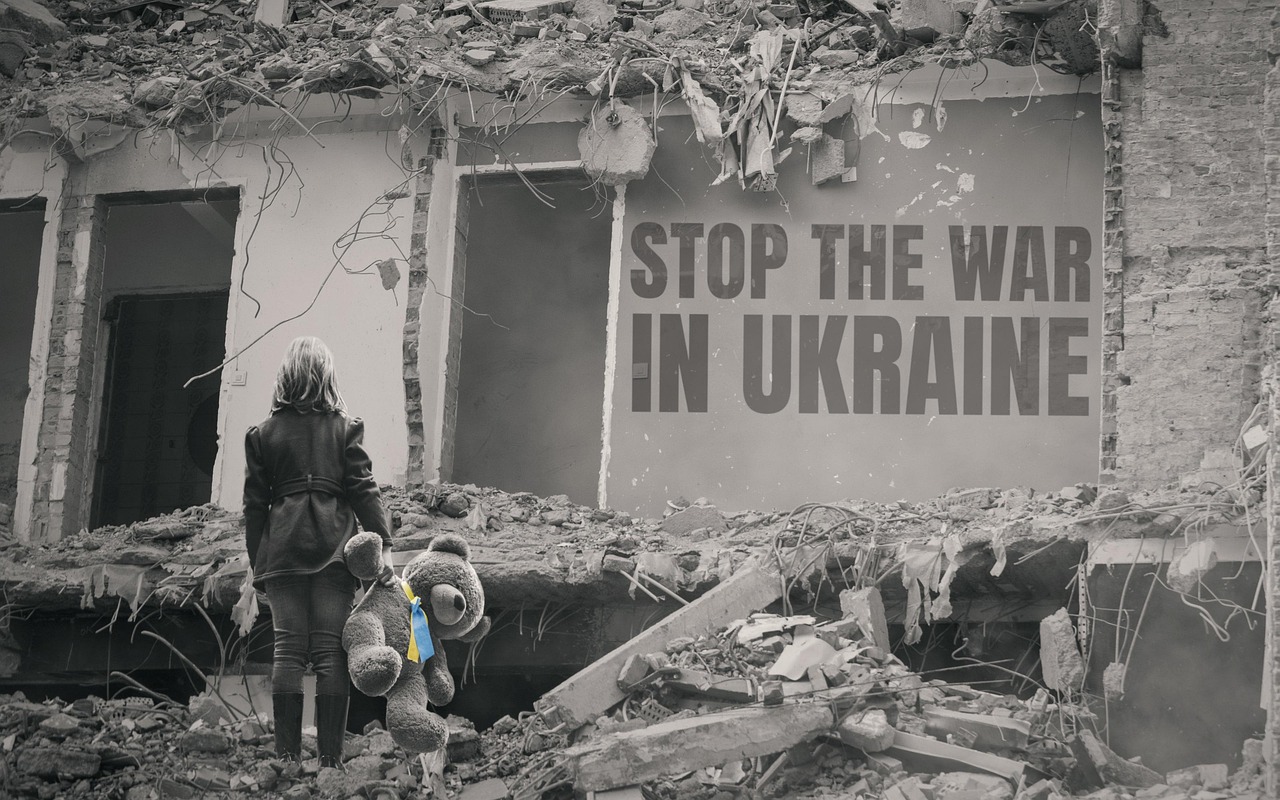
Hello everyone, and welcome back to the blog. Today, we are looking at a heartbreaking and deeply concerning update coming out of Eastern Europe. The situation on the ground in Ukraine has taken another dark turn over the past 24 hours, with a wave of devastating aerial attacks hitting civilian infrastructure. From aid distribution hubs to hospices and medical facilities, the human cost of this ongoing conflict continues to mount in ways that are truly difficult to process.
According to the latest reports, Russian strikes have killed at least 38 civilians and left scores of others injured. One of the most catastrophic incidents occurred on Monday night in the southern Zaporizhzhia region, where a glide bomb attack struck the village of Komyshuvakha. Ukrainian President Volodymyr Zelensky described the event as one of the largest mass killings carried out by Russia during the conflict. Authorities stated that nine heavy aerial bombs targeted a local school building that was actively being used as an aid distribution center.
Local media and regional officials shared that residents had gathered at the site to receive humanitarian supplies. When the bombardment began, many people rushed to take refuge underground, but the roof tragically collapsed. This left more than 50 people feared trapped under the heavy rubble as rescue efforts struggled to comprehend the immense scale of the tragedy. While the Russian defense ministry claimed the strike targeted Ukrainian military units and killed 25 servicemen, independent reporting and UN human rights monitors noted a distinct lack of credible evidence supporting military usage, pointing out that the humanitarian distribution had been heavily publicized.
The violence did not stop in Zaporizhzhia. Further north, in the central city of Dnipro, a Russian missile completely destroyed a hospice, forcing the emergency evacuation of nearly 50 terminally ill patients, the oldest of whom was 90 years old. Mayor Boris Filatov shared distressing photos of elderly patients lying in rooms with blown-out windows, surrounded by broken glass and debris. In the north-eastern city of Kharkiv, a hospital was also hit, wounding 73 people, the majority of whom were elderly patients. Separate strikes in Dnipro and the eastern Donetsk region added to the growing death toll, claiming several more lives and injuring many others.
Beyond the direct impact on medical and aid facilities, the strikes heavily targeted vital energy infrastructure across nine different regions. The water supply in Kyiv was completely cut off due to severe damage to the capital’s power systems, and the entire metro network had to be suspended. Mayor Vitali Klitschko described the situation surrounding the city’s power supply as increasingly difficult as freezing temperatures and disruptions take their toll.
Amidst this grim reality, some diplomatic movements are trying to take shape. The Kremlin announced its intention to participate in upcoming three-way peace talks with Ukraine, brokered by the US, set to take place in Abu Dhabi. Additionally, US First Lady Melania Trump—who was recently credited with helping broker a brief localized truce in the town of Oleshky—is scheduled to host representatives from both nations at the White House. However, President Zelensky noted in Berlin that while talks are expected, he has yet to see any genuine indication from Moscow that they are ready to engage seriously in a peaceful settlement.
The United Nations recently highlighted that civilian casualties in Ukraine have reached record levels, driven heavily by systematic attacks on energy grids and civilian areas. With Ukraine facing critical shortages in air defense capabilities and interceptor missiles due to delayed Western deliveries, protecting the population from ongoing aerial assaults remains an immense challenge.
Reflecting on the Human Toll and Our Shared Humanity
Writing about events of this magnitude always leaves me searching for the right words, and quite honestly, it feels heavy. When we read headlines about numbers in the dozens or hundreds, it is easy to detach ourselves and view the situation merely as political strategy or military maneuvering on a map. But reports detailing the destruction of a hospice for elderly, terminally ill patients or the bombing of people simply trying to collect aid remind us of the raw, unfiltered human suffering happening every single day.
From where I sit, observing these developments as a blogger, the biggest takeaway is a stark reminder of the extreme fragility of peace and the disproportionate price paid by innocent civilians. Wars are fought by states and armies, but the scars are overwhelmingly borne by the elderly, the sick, and families just trying to survive the winter without water or heat. It serves as a sobering lesson on why diplomacy, empathy, and the protection of basic humanitarian laws must remain paramount in our global consciousness.
As readers far removed from the front lines, it is easy to suffer from compassion fatigue when crises drag on for years. Yet, keeping ourselves informed about the realities on the ground—without looking away from the difficult images of destroyed hospices and shattered communities—is a small way to honor the dignity of those affected. Let us hope that ongoing diplomatic efforts finally find some traction, bringing a much-needed halt to the devastation and sparing more innocent lives from further tragedy.
source: feeds.bbci.co.uk (www.bbc.co.uk)
Photo by DangrafArt on Pixabay