
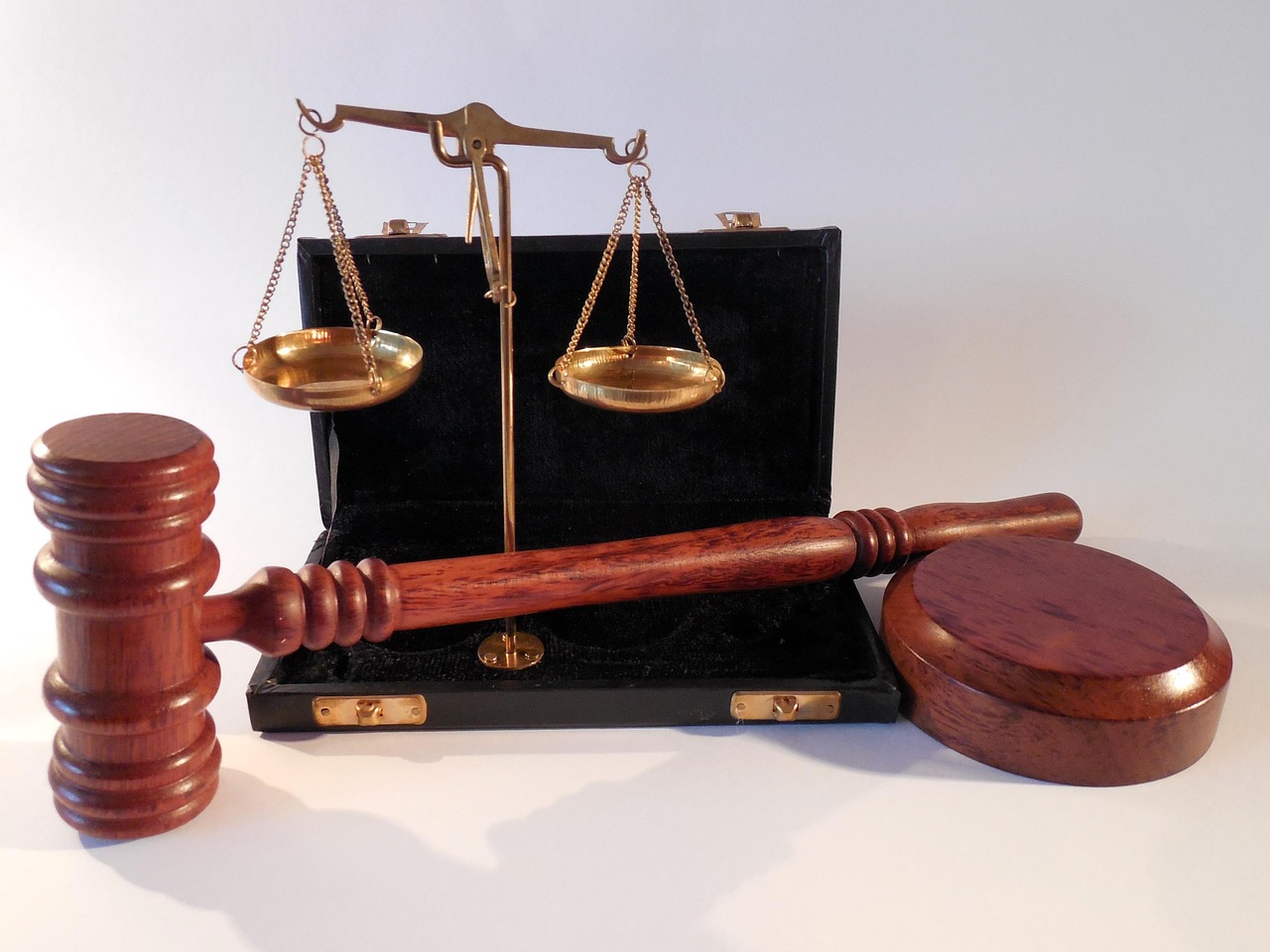
Hello everyone, and welcome back to the blog. Today, we are looking at a major legal update coming out of London. The legal proceedings involving media personality Russell Brand have reached a critical juncture. The jury tasked with deciding the outcome of the high-profile case has officially begun deliberating. This development marks the end of weeks of intense testimonies, arguments, and public scrutiny at Southwark Crown Court.
For the past three weeks, the courtroom in London has been the center of immense media attention. Russell Brand, who is 51 years old, has been facing a total of seven charges. These include three counts of rape, three counts of sexual assault, and one count of attempted indecent assault. Throughout the proceedings, he has maintained his innocence, entering a plea of not guilty to every single charge brought against him by the prosecution.
The allegations in this trial stem from six different women. According to the court records, the claims span a ten-year period between 1999 and 2009. During the trial, prosecutors described the complainants’ accounts, stating that the women portrayed Brand as someone who completely ignored them when they said no and simply did not care about their boundaries. The prosecution argued that he viewed women as a disposable commodity, treating them as a means to an end rather than individuals who mattered.
On the other side of the courtroom, the defense presented a very different picture. Brand took the stand to give his own evidence to the court. While he admitted that he had been obsessed with sex in the past, he strongly insisted that any sexual activity he engaged in was always completely consensual. He also acknowledged that he had previously used his fame to facilitate sexual access—something he now admits was wrong—while firmly denying that he ever crossed the line into criminal behavior.
His defense barrister reinforced this narrative to the jurors, arguing that while Brand had an immense amount of sex during that period in his life, none of it was unlawful. The defense also pointed out that none of the women had reported the alleged incidents to the police at the time they occurred. Furthermore, the defense argued that a 2023 TV and newspaper investigation had negatively impacted the fairness of the judicial process by prompting these women to come forward years later.
The trial featured specific and detailed accounts from the complainants. One woman alleged that she was raped by Brand in 1999 after they met at the Labour Party conference in Bournemouth, claiming his demeanor shifted dramatically from friendly to frightening. Another woman claimed he grabbed her breasts at a London bar in 2004 and dragged her into a toilet to commit an assault, an account where Brand recalled entering the toilet with her but denied using force. A third complainant described a consensual encounter at a theatre dressing room followed by an alleged non-consensual act at his Hampstead home later on, which Brand similarly maintained was entirely consensual. Other charges involved allegations of groping, unwanted physical contact, and attempted dragging into restrooms, all of which Brand has steadfastly denied.
To support his character, the defense called witnesses, including Brand’s wife Laura, who testified on his behalf and described him as a caring, kind individual and a wonderful father to their children. The media personality’s journey to fame is well-documented; he rose to prominence as a stand-up comedian and television presenter in the 2000s, hosting popular shows, starring in Hollywood films, and later transitioning into an online commentator focusing on social, political, and religious topics.
Now, the power rests entirely in the hands of the jury. Judge Mr Justice Bennathan instructed the panel of eight men and four women that they must reach a unanimous decision, meaning he can only accept a verdict that all members agree upon. As the jurors review the extensive evidence, testimonies, and legal arguments presented over the last three weeks, the public and the media wait anxiously for their final decision.
My Thoughts on the Quiet Power of Due Process and Accountability
Looking at this unfolding situation, my perspective centers on the quiet resilience of our legal institutions and the profound importance of a fair, thorough trial. It is easy to get swept up in the whirlwind of public commentary, media coverage, and the sheer cultural weight attached to a famous figure facing such severe accusations. However, moments like this remind us of the immense gravity of the courtroom, where emotions must be set aside in favor of a meticulous examination of facts, evidence, and testimonies.
There is a hopeful silver lining to be found in the functioning of the justice system itself. The fact that complex allegations spanning a decade can be brought forward, examined under the harsh light of judicial scrutiny, and weighed by an impartial jury of ordinary citizens speaks to the core of a functioning democracy. Whether someone is a globally recognized celebrity or a private citizen, the rule of law demands that every piece of evidence is tested, and that both the accusers and the accused are granted their day in court. This process, though often painful and agonizingly slow, is the only way society can seek a definitive truth.
Ultimately, this trial serves as a powerful reminder of how cultural standards around fame, power, and personal responsibility have shifted dramatically over the years. Behaviors that might have been brushed aside or enabled in the past are now being rigorously challenged. As we await the jury’s final verdict, the true takeaway is the indispensable nature of accountability and the unwavering commitment to a fair trial, ensuring that justice is pursued methodically, transparently, and without prejudice.
We will keep monitoring this story as it develops and bring you updates as soon as the jury reaches a conclusion. Stay tuned to the blog for more news and analysis.
source: feeds.bbci.co.uk (www.bbc.co.uk)