
Hello everyone! Welcome back to the blog. Today, we are looking at a major development coming out of the Middle East and Washington, as geopolitical tensions take a fresh turn. If you have been following the news lately, you know that the situation involving the US and Iran has been a massive talking point for months now. Well, things have just gotten a bit more intense right as the political spotlight turns inward toward domestic voting.
According to reports shared with our partners at CBS by US officials, the United States military has carried out targeted strikes on Qeshm Island, located in the strategically vital Strait of Hormuz. Over on the Iranian side, state news agency IRNA confirmed that multiple explosions were heard on the island on a recent Monday. It is a striking escalation in a conflict that has kept international observers on edge.
So, why did this happen right now? The US officials explained that these specific actions were kept limited in scale. They were reportedly launched in direct response to an incident involving Iran’s Islamic Revolutionary Guard Corps, commonly known as the IRGC, allegedly firing upon a US aircraft. Naturally, media outlets have been rushing to get official statements, and the BBC has already reached out to US Central Command—better known as Centcom, which handles military operations in the region—to get their side of the story.
What makes this timing particularly fascinating, and perhaps a bit politically charged, is the calendar. These military events are unfolding right ahead of the US midterm elections. As you probably know, these upcoming votes are crucial because they will ultimately decide whether the Republican Party or the Democratic Party manages to secure control of Congress.
Against this tense political backdrop, President Trump has been dealing with a few hurdles of his own. Recent data shows his polling numbers dipping. On top of that, he has been feeling the heat from members of his own political party who are urging him to find a way to bring this conflict to an end. As a quick reminder, this particular military engagement kicked off back in February when the US and Israel launched joint attacks on Iran.
Despite the brewing conflict and the looming elections, the administration’s messaging has had a few different layers. Earlier on Monday, reporters spoke with Trump, who mentioned that he was in “no rush” to escalate the military campaign against Iran any further. During a conversation with the news outlet Axios, he made some bold claims about the effectiveness of their strategy so far. He stated that the US has “crippled them financially,” adding that the opposing nation lacks money and gasoline, while suggesting their citizens are growing weary of the situation.
However, that does not mean military options are entirely off the table. In a separate interview with Fox News just on the eve of the midterms, Trump hinted that the US “might need to go after Pickaxe,” which is a facility tied directly to Iran’s nuclear program. Downplaying the complexity of such an operation, he casually remarked that it was “not a big deal” and could easily be wrapped up in “one hour.”
Naturally, all this talk has led to a lot of guessing games among political analysts. Over the last few days, there has been widespread speculation about whether the US is planning to ramp up major, full-scale strikes in Iran once the midterm elections are finally in the rearview mirror. But when a reporter put that exact question directly to Trump on Monday, his answer was a straightforward “no.”
On the other side of the world, diplomatic channels are still humming, even as missiles fly. Iran’s foreign minister, Abbas Araghchi, spoke with IRNA to share that “very intensive” discussions are currently taking place. He noted that these talks are aimed at ending the war and are being conducted with the US through the help of international mediators.
At the same time, Tehran is trying to project strength and readiness. Araghchi emphasized that Iran is prepared for both diplomatic resolutions and military conflicts “more than ever before.” He left the ball squarely in Washington’s court, stating that it is up to the US government to choose between taking the “wise path” of negotiation or repeating what he called the “mistake of military aggression.”
Adding to the growing sense of unease, intelligence chiefs have recently warned that Iran is stepping up its efforts to target American personnel stationed throughout the Middle East. Meanwhile, the logistical reality of a prolonged conflict is also starting to show. Reports indicate that Trump recently acknowledged that “some” munitions are running low as this war of attrition grinds on.
My Thoughts on the Timing and Political Pressure
Looking at these events, my personal view is that the intersection of military strategy and domestic election cycles is always a delicate and high-stakes tightrope walk. Based strictly on the facts presented in the reports, it is hard to ignore how closely these tactical moves align with a moment when political leaders are facing declining public approval and internal party dissent. In the broader context of political history, leaders often find themselves navigating the dual pressures of projecting strength abroad while trying to appease a domestic electorate that may be growing fatigued by prolonged conflicts.
From where I sit, interpreting these developments means looking at how public perception shapes foreign policy decisions. While the official line emphasizes limited responses to hostile actions like the firing on a US aircraft, the surrounding rhetoric about being in “no rush” versus hinting at quick strategic strikes creates a very mixed narrative. It feels very much like a balancing act—trying to signal toughness to voters and foreign adversaries alike, while simultaneously keeping an eye on diplomatic backchannels through mediators to prevent things from spiraling completely out of control.
Ultimately, whether these limited actions are viewed as necessary defense or politically motivated maneuvering will likely depend on who you ask, especially with the control of Congress hanging in the balance. As the midterm elections arrive and intelligence warnings about regional threats continue to pile up, the margin for error in these high-level decisions remains razor-thin. We will just have to keep watching closely to see how both diplomacy and military posture evolve in the days to come.
Well, that is all for today’s roundup. What do you make of these latest developments in the Strait of Hormuz? Do you think diplomacy will prevail, or are we looking at a major escalation after the votes are counted? Let me know your thoughts in the comments below, and I will see you all in the next post!
source: feeds.bbci.co.uk (www.bbc.co.uk)
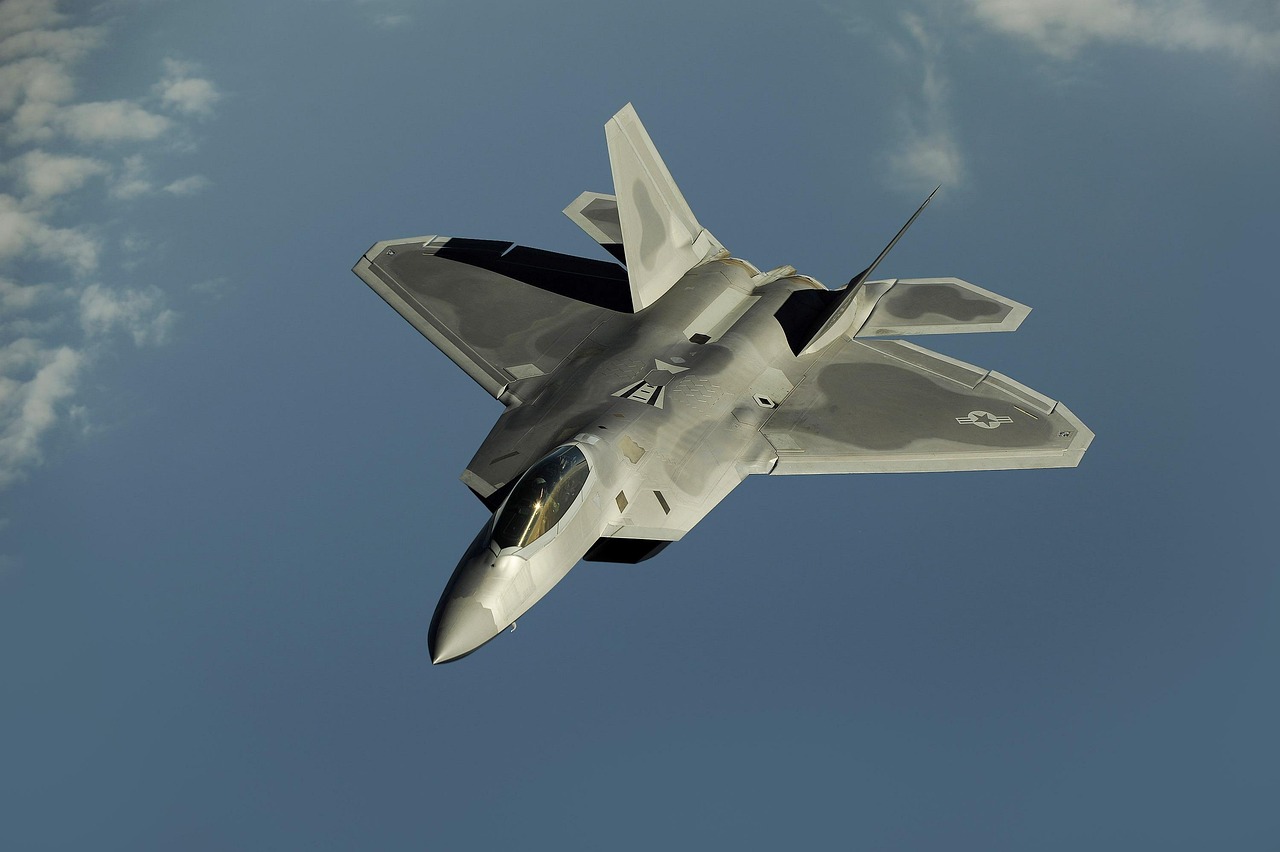
Photo by WikiImages on Pixabay