
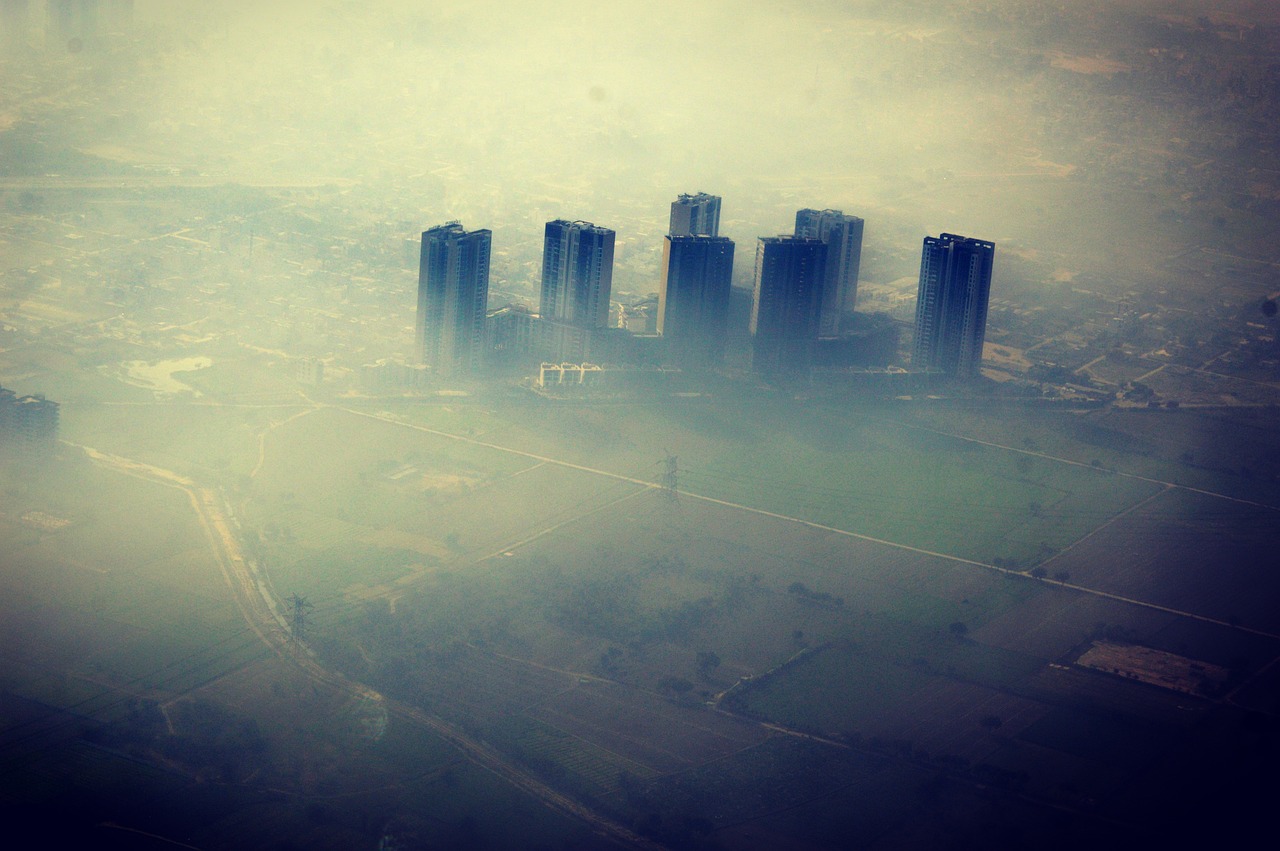
Hey there, fellow news surfers! If you have been keeping an eye on global weather and environmental updates, you probably know that winter in northern India brings more than just a drop in temperature. Year after year, Delhi air quality hits a rough patch right around this time, and folks living in the capital are once again dealing with a familiar, heavy blanket of smog as the cooler season sets in.
According to the latest reports, the city’s air quality index, commonly known as AQI, has pushed past the 300 mark. That puts things squarely in the “very poor” category, which is always a headache—and a health worry—for millions of residents. When the air gets this thick with fine particulate matter like PM2.5, it can easily make its way deep into the lungs. Health experts point out that breathing in this kind of air over a long stretch can cause respiratory flare-ups and make existing illnesses much harder to manage, hitting older folks and little children the hardest.
To try and keep things under control, local authorities have rolled out Stage II of the Graded Response Action Plan, or GRAP for short. This is basically an emergency playbook that kicks in with stricter rules whenever the pollution starts climbing. The latest steps include ramping up road cleaning routines, bumping up parking fees to discourage people from taking out their private cars, and boosting public transit options. Over at the Delhi Metro, they have added extra weekday train trips, while government offices are looking at staggered shift times to help break up traffic jams during peak hours. Officials mentioned these moves were necessary after weather forecasts signaled that the hazy conditions are likely to stick around for a few more days.
Now, why does this happen like clockwork every single year? Well, the capital and its surrounding regions face a toxic mix of issues as winter rolls in. We are talking about vehicle exhaust, factory emissions, dropping temperatures, gentle winds, and—a big one at this time of year—the burning of crop stubble in nearby states like Punjab and Haryana. Interestingly enough, October was actually unusually clean, marking the best monthly average AQI in eight years thanks to some helpful rain and winds from a recent storm. But once those weather patterns settled down and the northwesterly winds came back, they started carrying smoke straight toward the capital again.
To make matters a bit more complicated, one of India’s biggest celebrations is just around the corner. Diwali is usually celebrated with bright lights, lamps, and plenty of fireworks, which tends to throw even more fine particles and harmful gases into an already struggling atmosphere. On Wednesday morning, Delhi’s AQI reading sat at 377. For context, India’s pollution watchdog labels anything between 301 and 400 as “very poor,” while anything crossing 400 jumps into the “severe” zone.
Fireworks have always been a hot-button topic during the festival. Last year, despite court instructions to stick to less-polluting options, residents still woke up to a heavy haze the morning after the festivities. Authorities have tried everything over the years, from strict sales regulations to outright bans on manufacturing and using firecrackers, but making sure those rules are followed on the ground has always been tough.
Recently, India’s Supreme Court stepped in with a middle-ground solution, allowing the production and use of certified “green firecrackers” in Delhi and nearby areas for a limited timeframe. Under the ruling, people can only set them off during specific hours—between 06:00 and 07:00 and between 20:00 and 22:00—over the Diwali weekend. Plus, fireworks are strictly off-limits within a 300-meter radius of hospitals, schools, and other quiet zones.
So, what exactly are green firecrackers? They use a modified chemical recipe designed to cut down on emissions compared to old-school fireworks. They are also supposed to feature QR codes so buyers and authorities can quickly verify who made them and check their certification. Even so, the Supreme Court itself has noted that conventional firecrackers often get smuggled in and sold under the guise of green alternatives. Because of this, police have been instructed to patrol designated sales spots, run random QR code checks, and confiscate any illegal goods they find.
And it is not just Delhi dealing with these seasonal air quality dips. Mumbai, India’s financial hub, also saw a sharp spike in pollution over the past month, with its AQI hitting 322 late in October. Even though coastal winds usually help keep Mumbai’s air relatively clear, a mix of low wind speeds, construction dust, trash burning, firecrackers, and outside pollutants pushed the city into the “very poor” bracket for a while. Fortunately, things have cleared up quite a bit there since, with recent readings dropping back down to satisfactory levels.
Looking at the Bright Side of Innovation and Regulation
According to my perspective, while the annual cycle of heavy smog in Delhi is undeniably frustrating and poses real public health challenges, there is a silver lining in how technology and legal frameworks are evolving to tackle the problem. The fact that regulatory bodies and courts are no longer relying solely on outright bans—which are notoriously difficult to enforce during major cultural celebrations—shows a pragmatic shift toward managed solutions like green firecrackers.
I see this transition as a promising sign that sustainability and traditional celebrations can eventually find a workable middle ground. By introducing QR-coded certifications and specific time windows, authorities are building an infrastructure of accountability. Furthermore, the quick deployment of emergency action plans like GRAP proves that governments are getting better at anticipating weather patterns and reacting before things reach catastrophic levels. While the road ahead is long, these incremental steps toward cleaner technology and stricter enforcement give plenty of reason for cautious optimism about future winters.
As the holiday weekend approaches, residents and officials alike will be hoping that a combination of better compliance, favorable winds, and smarter choices can help keep the skies a little clearer. We will definitely be keeping an eye on how these measures play out on the ground in the coming days.
source: feeds.bbci.co.uk (www.bbc.co.uk)