
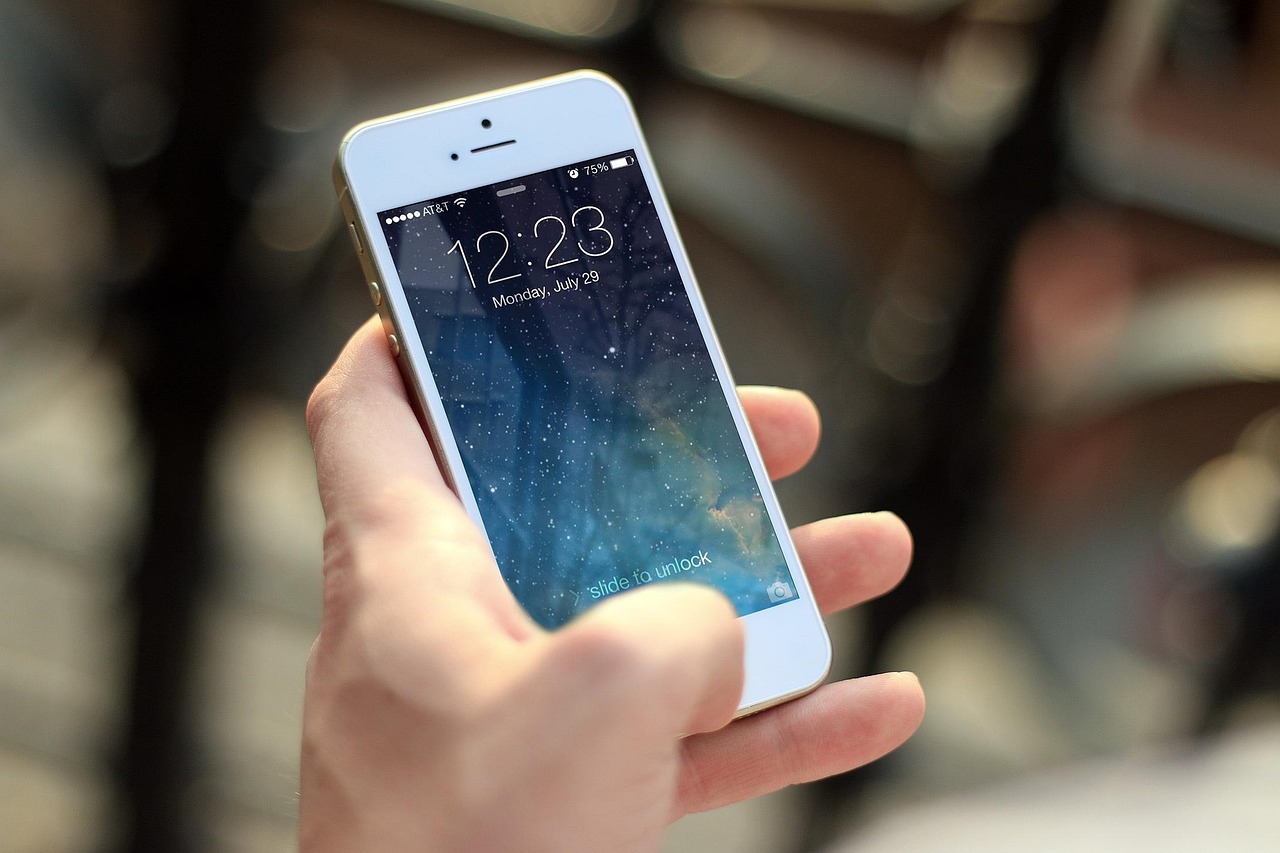
Hey there, tech enthusiasts! If you managed to get your hands on Apple’s latest gadget, consider yourself among the lucky few. Recently, the tech giant found itself in a bit of a supply pinch after launching its brand-new foldable device, and things are looking a bit unpredictable for shoppers hoping to score one soon.
The tech giant recently launched its much-talked-about foldable device, carrying a hefty price tag of $1,999 in the US and £1,999 in the UK. According to the company’s new chief executive, John Ternus—who stepped into the role back in September after taking over from Tim Cook—the initial response to the newly released iPhone Duo has been incredibly exciting. However, that high enthusiasm quickly turned into a logistical challenge when the pricey smartphone vanished from virtual and physical shelves just over a week after its debut.
Even though the initial batch vanished almost instantly, it hasn’t been completely smooth sailing for every early adopter. Some customers who managed to secure a unit reported that their screens experienced cracking issues. In response, the company stated that it would gladly replace any devices impacted by this specific flaw, which affected a small number of units right along the inside fold. During a recent financial conference call, leadership chose not to dive deep into those hardware hiccups, focusing instead on the overwhelmingly high demand.
When financial analysts hopped on a call to discuss the company’s latest financial results, Sabhi Kahn, who recently took on the role of chief operating officer, addressed the availability question. According to Kahn, it is currently very difficult to forecast when the supply and demand for the iPhone Duo will finally even out. Because demand remains exceptionally high, the company simply does not know precisely when more units will make their way back to consumers.
Despite the current inventory hurdles with the foldable model, the broader picture for the company’s smartphone division remains remarkably strong. Over the past year, the tech titan achieved a historic milestone by selling more smartphones globally than ever before. Looking specifically at the three-month period leading up to September 26—a timeframe that curiously did not even factor in the late-October launch of the foldable model—smartphone revenue climbed by 17%, reaching an impressive $57 billion. This surge happened despite earlier warnings from corporate leadership that crucial hardware components were facing tight supply limitations.
Other segments of the business saw mixed results during the quarter. Mac computers performed exceptionally well, growing by 27% to hit $10.7 billion, which also marked a record high for the firm. On a yearly scale, overall sales grew by 15%, landing at an eye-watering $479 billion. On the flip side, not every department shared in the celebration. Sales for iPads dipped by 10%, while wearable products—including headphones and smartwatches—saw a 7% decline.
Digging deeper into the supply chain, Kahn pointed out that various hardware categories continue to face shortages. A major culprit behind this is the ongoing difficulty in securing enough advanced microprocessors, which are the specialized computer chips that help gadgets run much faster. Most of these essential components are produced in Taiwan by TSMC. Apple warned that these specific production bottlenecks are likely to stretch into the coming year, hitting iPads and Mac computers the hardest, especially as unexpected consumer demand continues to outpace expectations.
Furthermore, leadership highlighted that the company is grappling with unprecedented cost increases for memory storage—the internal capacity that allows devices to hold apps, personal photos, and text messages. Much of this memory infrastructure relies on data centers that have recently experienced a massive boom in demand. This surge is largely driven by the explosive popularity of artificial intelligence chatbots and platforms created by companies like OpenAI and Anthropic. As data center space becomes more fiercely contested, storage prices have steadily climbed for major hardware manufacturers.
Earlier in the year, former chief executive Tim Cook memorably described this sudden wave of rising data center expenses as a “thousand year flood.” Ultimately, these mounting pressures have forced the corporation to adjust its pricing strategy, leading to a roughly 20% price hike across practically all of its hardware products.
My Takeaways From Apple’s Latest Supply Chain Drama
Looking at this situation, I see a fascinating intersection between cutting-edge innovation and the harsh realities of global manufacturing. When a company launches a revolutionary product like a folding smartphone at a premium price point, the natural expectation from consumers is that availability will eventually stabilize. However, this news highlights just how fragile high-tech supply chains really are, especially when external factors like the booming AI industry start competing for the exact same foundational resources, like memory storage and microprocessors.
From my perspective, there is a clear lesson here for both tech companies and everyday consumers. For manufacturers, rushing into a brand-new form factor while simultaneously wrestling with component shortages and data center cost spikes creates a high-stakes balancing act. For us as consumers, it serves as a gentle reminder that jumping on the very first generation of a completely redesigned technology often comes with waiting lists, premium pricing, and occasionally, first-run hardware quirks that need ironing out. Ultimately, watching how Apple navigates these production hurdles will tell us a lot about how mainstream foldable technology will mature in the near future.
As we head into the next year, it will be interesting to see how quickly manufacturers can untangle these supply knots. Until then, anyone hoping to get their hands on Apple’s newest folding device might just need to practice a healthy dose of patience.
source: feeds.bbci.co.uk (www.bbc.co.uk)
Photo by JESHOOTS-com on Pixabay