
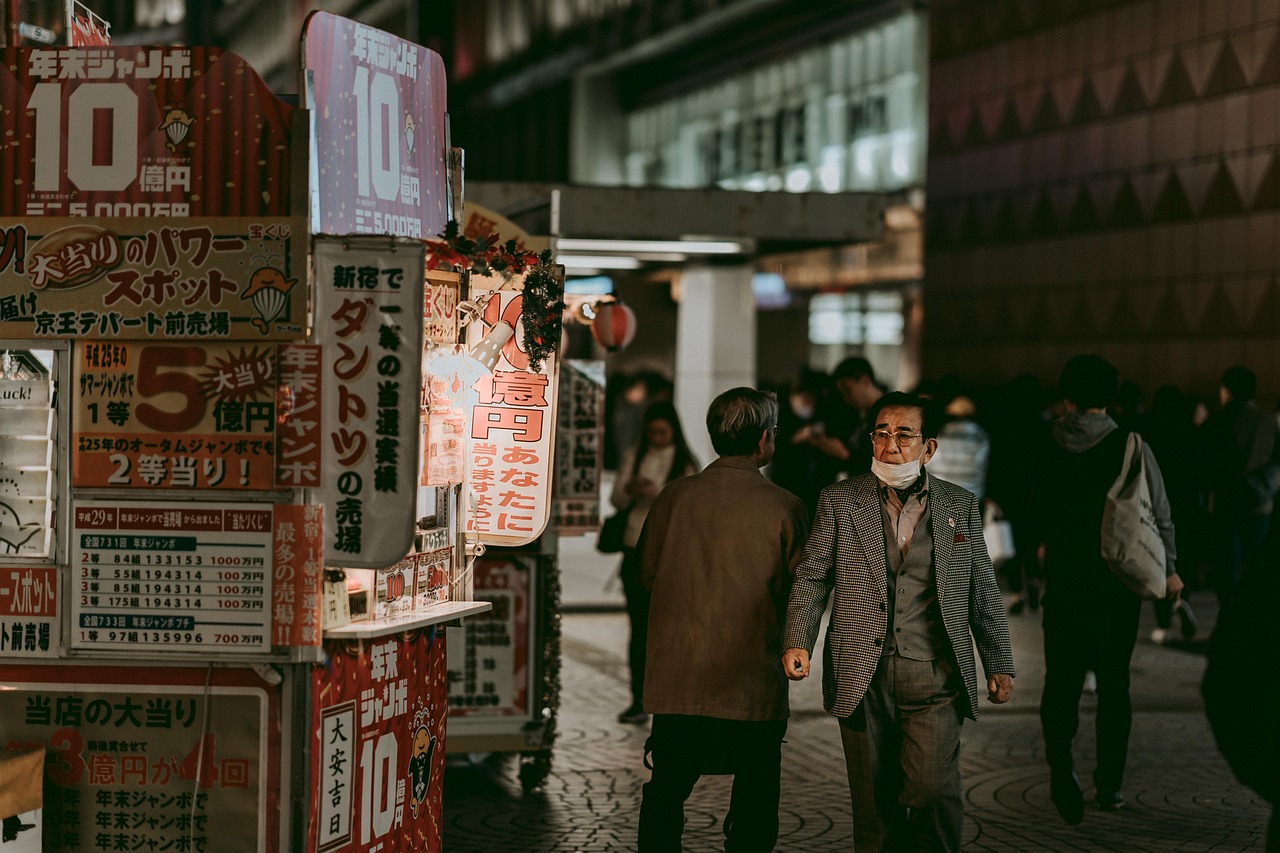
Tokyo is famous around the world for its vibrant energy, neon lights, and bustling nightlife. Known fondly as the “sleepless town,” the Kabukicho district is a major magnet for both locals and international visitors looking to grab a bite to eat, enjoy a few drinks, or sing their hearts out at a local karaoke spot. However, behind the flashy signs and glowing neon entrances lies a much darker reality in the backstreets, where women can be found offering sex in exchange for money.
While Japan has a long-established commercial sex industry—often referred to as fuzoku—that features regulated establishments like bathhouses and pink salons, things have shifted dramatically. Since Covid-19 restrictions were eased over the past three years, a brand new phenomenon has taken over the streets. Fueled partly by a massive boom in international tourism, more women are now soliciting directly on the streets, leaving them exposed to severe risks, including physical abuse and sexually transmitted infections.
It remains difficult to get an exact count of how many individuals work the streets of Kabukicho, but police action gives a glimpse into the scale of the issue. Last year alone, law enforcement arrested 112 women on suspicion of soliciting near a well-known park in the area. This sharp rise in what is locally known as tachinbo—a Japanese slang term meaning “standing around”—has sparked intense concern. Critics worry that Japan is increasingly gaining a reputation as a destination for international sex tourism, which has prompted politicians and campaigners to demand tighter laws.
At the heart of the current debate is an unequal legal framework. Under the country’s 1956 prostitution prevention law, anyone offering vaginal intercourse in a public place in return for payment can face up to six months in prison or a fine of ¥20,000 (roughly $128). However, the law only targets the providers; men who seek out and purchase these services face zero legal penalties.
The client base has also evolved. The patrons of this new wave of street sex work increasingly include foreign men. Many of them discover Kabukicho’s shadowy side through social media, bypassing traditional language barriers or the unofficial rules that often bar non-Japanese customers from regulated sex shops. Instead, these clients now negotiate directly with workers on the street using smartphone translation apps.
Arata Sakamoto, the head of Rescue Hub, a nonprofit organization that supports vulnerable young women in Kabukicho, expressed deep concern over the shifting perception of the country. He noted that Japan’s image is changing for the worse, though he emphasized that this is fundamentally a societal issue rather than just a foreign tourist problem.
Momentum for legislative reform is clearly building. In September, an expert panel convened by the justice ministry released a report describing the existing laws as “unbalanced.” The report recommended that buyers ought to be regulated in the exact same manner as providers, though it stopped short of naming specific penalties. Lawmakers like opposition MP Kazunori Yamanoi have also spoken out, pointing out that while nations globally are cracking down on sex buyers, patrons in Tokyo remain entirely safe from the law. Some reports broadcasted internationally have unfortunately painted a picture of Tokyo as a place where cheap, legal sex with young individuals is readily available.
Meanwhile, the atmosphere on the ground continues to shift. Local residents and officials have grown increasingly frustrated, arguing that the open solicitation is ruining the neighborhood’s reputation and vibe. Despite frequent patrols, public announcements in both Japanese and English, and a visible police presence that led to numerous arrests—including nine teenagers—sex workers have simply migrated to narrow alleyways near love hotels close to Shinjuku station.
According to campaigners, the average fee sits at around ¥15,000 (about $95) per hour, with extra cash often exchanged for younger or more attractive women, or as an incentive for unprotected encounters. Many of these workers are Japanese citizens, and a growing portion of them are teenagers. Sakamoto pointed out that most of the women they assist come from difficult family backgrounds or struggle with mental health issues, often dealing with physical abuse or overbearing parents who deny them personal choices.
While many advocate for penalizing male clients as a necessary deterrent, other voices in the debate urge a completely different approach. Representatives from Human Rights Watch have argued that introducing penalties for buyers might actually drive the trade further underground, pushing women into even more dangerous and secretive situations. They suggest that true progress should involve decriminalizing sex work and providing workers with standard labor protections, healthcare, housing, and public benefits without discrimination.
As the justice ministry reviews potential bills, campaigners emphasize that legal penalties alone will not solve the underlying crisis. Without substantial government assistance for basic living expenses like rent, many vulnerable individuals will remain trapped with no other way to survive.
My Take on the Kabukicho Street Sex Work Crisis
Reading about the situation in Kabukicho, I find myself thinking primarily about the sheer vulnerability of the individuals caught up in this cycle. From where I sit, it is hard not to see the current legal imbalance as a glaring oversight. When the law targets only the person trying to survive on the street while letting the paying customer walk away scot-free, it creates a lopsided system that feels inherently unfair. For everyday people living or working in Tokyo, this trend represents a painful erosion of community safety and local neighborhood charm, turning a vibrant cultural hub into a site of hidden exploitation.
At the same time, I believe we have to look beyond simple criminal punishment to truly understand what is happening here. Based on the reports from local nonprofits, many of these women—including teenagers—are driven to the streets by desperate circumstances, broken family backgrounds, and a lack of mental health support. In my view, simply slapping penalties on clients, while perhaps a necessary deterrent, is only a temporary band-aid on a much deeper societal wound. If the government fails to address housing, basic financial stability, and welfare support, changing the penal code alone won’t magically give these individuals a way out.
Ultimately, what this story highlights for me is that social problems rarely have easy, one-size-fits-all fixes. Whether the debate turns toward penalizing buyers or exploring decriminalization and labor rights, the core issue remains the same: protecting the most vulnerable among us. For ordinary observers, it is a stark reminder that behind the flashing neon lights of any major global city, there are real people struggling just to get by, and they deserve real, compassionate systemic support rather than just political debate.
source: theguardian.com (www.theguardian.com)