
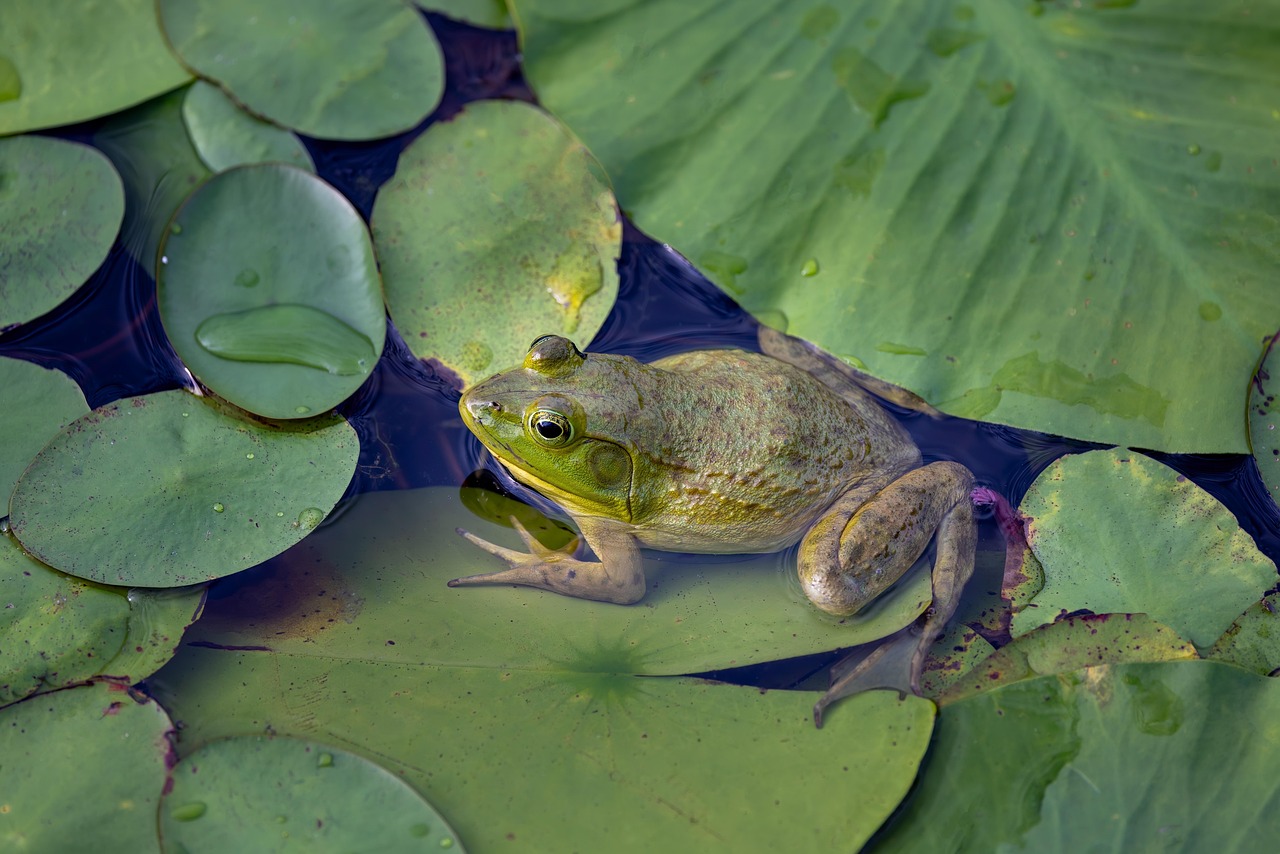
Hey there, blog readers! Today we are looking at an interesting environmental battle unfolding down under. A major corporate player is stepping up to help tackle one of the country’s most infamous ecological headaches. If you have ever heard about the massive spread of invasive pests in Australia, you probably know about the notorious cane toad. Now, major mining operations are getting involved to halt their relentless westward march.
Rio Tinto, a massive mining enterprise with extensive iron ore operations in Western Australia, is pouring millions of dollars into a project designed to stop poisonous cane toads from reaching the Pilbara region. The company is teaming up with partners like Curtin University in Perth to invest a substantial sum of A$28m, which translates to roughly £14.5m, into building a specialized “toad containment zone.” The main goal of this barrier is to block the invasive pests from traveling any further south into sensitive habitats.
Even though these toxic toads do not directly interfere with the day-to-day operations of the mining business, they present a massive danger to local wildlife. Cane toads carry toxins that are fatal to native animals, meaning their arrival could spell disaster for the delicate ecosystem of the Pilbara. Past actions by the mining giant, such as the destruction of sacred Aboriginal rock shelters in the same region, led to significant criticism, the departure of the former chief executive, and a dedicated effort by the firm to mend relationships with Indigenous communities.
Local Indigenous voices are already speaking out about the importance of keeping the region protected. Roberta Hunter, a ranger working in Australia’s Nyangumarta Warrarn Indigenous Protected Area, pointed out that these creatures cause severe damage to local water sources and native fauna. The shared sentiment among the community is a strong desire to stand in the way of the toads before the local landscape suffers widespread devastation.
So, how does one actually stop an army of advancing amphibians? The strategy involves cutting off their access to water by constructing a massive barrier across a sprawling 7,500 square kilometer area of land situated between the Great Sandy Desert and the Indian Ocean. During drier parts of the year, cane toads require water every few days simply to stay alive. Without natural water sources, they typically depend on artificial water points intended for cattle and irrigation. The upcoming five-year project, scheduled to kick off in 2027, will focus heavily on blocking the toads from reaching dams, storage tanks, and other ground-level water sources.
If these creatures manage to breach the Pilbara, a variety of native species face severe risks of population decline or worse. Among the vulnerable animals are the northern quoll—a species that has already seen its numbers dropping—along with the goanna lizard and the ghost bat. The history of this ecological crisis dates back to 1935, when the toads were originally brought to Australia to manage beetles in the sugar cane industry. Ever since that introduction, government records show they have steadily advanced westward across the northern landscape at a rate of 40 to 50 or even 60 kilometers every year. Because they possess powerful natural poisons, they lack the usual predators or diseases that might otherwise keep their population in check.
Ben Phillips, a professor at Curtin University, emphasized that without active intervention, these invasive animals would likely make their way into the Pilbara within the next twenty years. He described the proposed containment zone as a rare, once-in-a-lifetime chance to halt one of the globe’s most aggressive invasive species and safeguard the unique fauna of the area.
My Perspective on the Corporate-Environmental Alliance
When looking at this news, my immediate reaction is a mix of cautious optimism and quiet fascination. It is certainly unusual to see a massive mining conglomerate taking such a direct financial and strategic role in a large-scale conservation project. Based on the facts provided, Rio Tinto’s past relationship with the local environment and Indigenous groups in the Pilbara region has been strained, to put it mildly. Therefore, funding a multi-million-dollar defensive barrier against an ecological menace feels like a calculated and necessary step toward rebuilding local trust.
What I find particularly striking about this initiative is the sheer scale and ingenuity of the defense strategy. We are talking about cutting off water supplies across thousands of square kilometers of harsh Australian terrain between a desert and an ocean. According to the experts cited in the report, these toads rely heavily on artificial water points during dry spells just to survive. By strategically blocking their access to dams and storage tanks, the project targets a fundamental biological vulnerability rather than just trying to catch them one by one. It is a pragmatic, large-scale engineering approach applied directly to an ecological crisis.
Ultimately, I see this as a fascinating intersection of corporate responsibility and wildlife preservation. While the funding stems from a business with heavy industrial stakes in the region, the outcome could genuinely spare iconic native species like the northern quoll and the ghost bat from a grim fate. As we look ahead to the project’s launch in 2027, it remains to be seen how effectively a physical and hydrological barrier can hold back a decades-long invasion. Still, for a region as unique as the Pilbara, trying something bold seems far better than simply watching the tide of toxins roll in.
Thanks for stopping by to read this update! Let me know your thoughts on this massive conservation effort in the comments below, and stay tuned for more news updates right here on the blog.
source: feeds.bbci.co.uk (www.bbc.co.uk)