
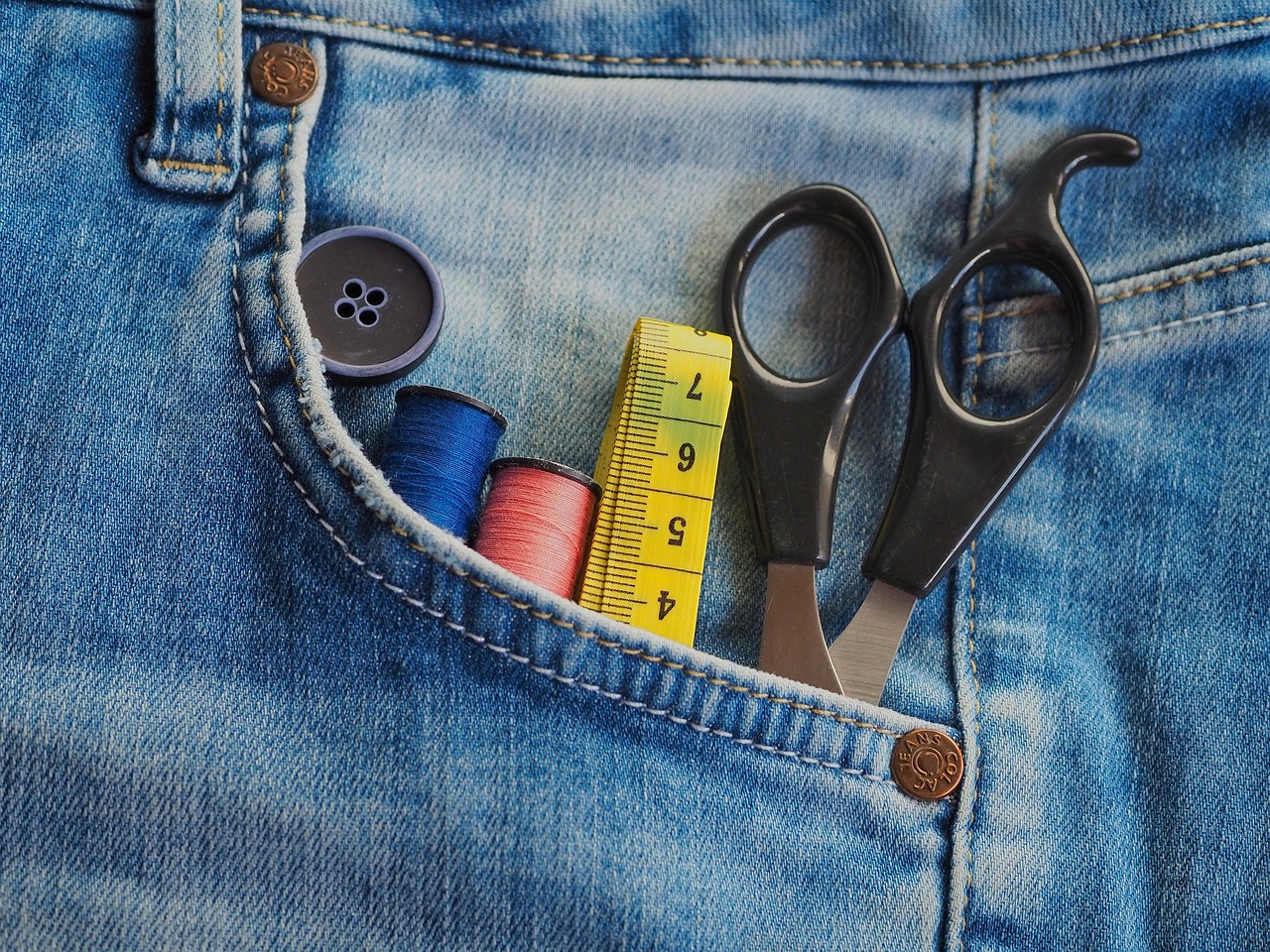
Hey there, style lovers! Have you ever spotted a gorgeous jacket or a cozy sweater at a second-hand store, only to find a pesky moth hole or a stubborn stain hiding on the fabric? Most of us would probably put it right back on the rack and walk away. But for a growing number of creative folks out there, that little flaw isn’t a dealbreaker at all—it’s actually an invitation.
Take Alice Brown, for instance. She’s a 27-year-old forest ranger living in Lincolnshire who looks at damaged apparel through a completely different lens. When she spots a jumper with a hole, she treats it like a fun puzzle to solve. Over the past year, she’s really leaned into a unique aesthetic by using needle-felting techniques to craft adorable little animals and insects right over stains and tears. Her clever cover-ups have even built her a massive following online.
Instead of trying to hide the damage in some invisible way, Alice points out that placement forces creativity. If a flaw happens to be right front and center, it becomes the main attraction. This exact concept has a name floating around the craft and design worlds: “visible mending.” And let me tell you, it’s officially having a major moment.
What used to be a niche hobby for crafty people in community workshops is now spreading everywhere. We are talking about it jumping straight onto high-end designer catwalks and even getting embraced by major retail brands. People are tossing out the old rulebook where a fixed garment had to look completely untouched.
If you drop by a Saturday morning workshop in Brighton, you’ll see instructors like Jayne Eagle showing eager students how to turn a tear into a canvas. She teaches techniques inspired by traditional Japanese methods known as Boro and Sashiko. Rather than matching the thread precisely to the colour of the shirt, the goal here is to use massive geometric patterns in bright white stitching to draw the eye right to the repair. Jayne also runs darning classes featuring vibrant, contrasting colors that celebrate the fix rather than masking it.
During one of these sessions, a student named Nicola used her new skills to cover up some annoying sunscreen marks on a t-shirt. By making a feature out of the stain, she noticed something wonderful: people stopped focusing on the accidental discoloration and started complimenting the cool decoration instead. Another student, Lisa, accidentally snipped a brand-new second-hand jacket while opening its delivery package with scissors. Instead of panicking, she patched it so intentionally that she actually loves pointing it out to people now. She even wants them to notice!
Historically speaking, stitching up our garments was purely about stretching a budget. It was a practical chore born out of necessity to keep wearing things longer instead of buying new ones. But this modern visible mending trend is all about making a conscious choice and celebrating it.
According to Jayne, this movement started picking up steam about six years ago and has just exploded since then. She points out that the era of “throwaway” fast fashion, which really took off back in the 1980s, slowly killed off our collective habit of looking after and repairing our garments. Along the way, society simply lost those everyday skills. To her, this massive revival feels like a direct pushback against the overproduction dominating the fashion industry today—pushing back against the heavy carbon emissions, pollution, massive water use, and poor labor conditions attached to new clothing.
Surprisingly enough, even mainstream retailers are jumping on board. Brands ranging from Ralph Lauren to ultra-fast-fashion giant Shein have started selling pre-patched or stitched garments straight off the rack. Meanwhile, other high street chains are taking a more authentic approach by hosting hands-on workshops and offering in-house repairs.
Take Uniqlo, for example. The brand’s head of sustainability, Maria Ledous, mentions that they want to give shoppers practical ways to keep loving the items already hanging in their closets instead of constantly replacing them. They even offer decorative fixes using those traditional Sashiko techniques to honor the brand’s Japanese roots. Primark, widely known for budget-friendly fast fashion, has also joined the movement. Vicki Swain, their longevity lead, notes that affordability and durability shouldn’t have to be opposites.
Outdoor apparel brand Finisterre reports that about a fifth of the repairs they do for customers are specifically designed to stand out. At premium artisan store Toast, roughly a third of shoppers opt for these eye-catching custom fixes. Suzie de Rohan Willner, the chief executive of Toast, describes the magic of bringing an old piece in and choosing what it gets to transform into next. Toast currently employs a team of fourteen in-house “repair artists” to handle these creative jobs. While their repair services are free, their “renewed” off-the-peg items actually fetch higher prices because of their one-of-a-kind character.
Then there’s Levi’s, a brand with a legendary history of fans customizing their denim using everything from rhinestones to fringed cuffs. They are rolling out a brand new workshop program this year. Their market research shows that younger shoppers are deeply interested in learning how to fix their stuff, but simply lack the know-how.
Interestingly, at a recent Levi’s launch event in London, Gen Z participants leaned toward more traditional, hidden fixes rather than flashy artistic patches. A 16-year-old student named Bianca from East London shared that if you walk around with visible holes in your clothes there, people might still judge you or assume you’re struggling financially. Her friend Theo, a 19-year-old who sells clothes on the side at car boot sales, agreed that he’d rather learn how to mend things invisibly so they look just like the day he bought them, thinking it would make his side hustle more profitable. Another friend, Nicholas, pointed out that most people just want to look fresh and avoid looking like they stepped out of a dumpster.
Even so, Paul Dillinger, who heads global design innovation at Levi’s, believes that younger generations will eventually embrace more creative repairs as their skills develop. He argues that nobody really has the time or patience for that flawless, straight-from-the-shop perfection anymore, calling it uncool. Instead, he believes people are craving agency. As he puts it, mending is a true demonstration of humanity—reminding us that a stain isn’t just a messy accident, but rather a cherished memory of a wonderful day out.
source: feeds.bbci.co.uk (www.bbc.co.uk)
Photo by beasternchen on Pixabay