
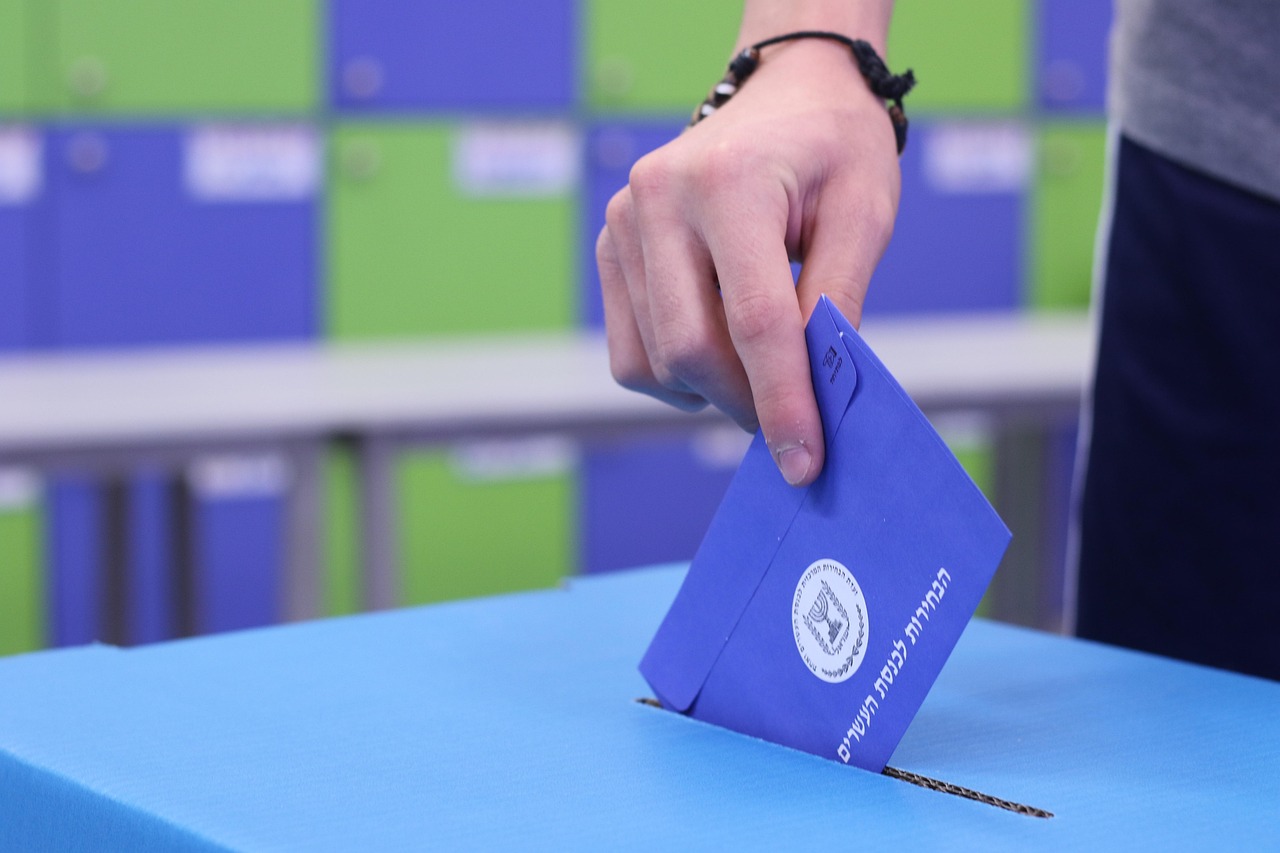
Hey everyone, welcome back to the blog! Today, we are diving into a really compelling political discussion that touches on democracy, representation, and the complex realities faced by specific communities. If you have been keeping an eye on political developments in the region, you probably know that elections can bring all sorts of underlying tensions right to the surface. Recently, a lot of conversations have sparked around how a particular group of voters exercises their democratic rights, and what that ultimately means for the broader political system.
Let’s break down what is happening based on recent insights. When we talk about democratic participation, the numbers usually tell a fascinating story. In this case, the focus is heavily on the Palestinian citizens living inside Israel and their engagement at the ballot box. According to former Palestinian Liberation Organisation official Xavier Abu Eid, the robust level of participation from these voters has really put a spotlight on a much larger issue. It is not just about who wins or loses a seat; it is about how a democratic state treats and views its minority populations.
Elections are rarely just straightforward procedural events. They are often surrounded by intense strategic maneuvering, dramatic allegations, and high-stakes political survival. Right now, veteran leader Benjamin Netanyahu is reportedly making calculated moves to hold onto power, navigating a very fractured political environment. In systems where every single mandate counts, the voting behavior of minority communities becomes a massive focal point. When those communities turn out in large numbers, it naturally shifts the dynamics and forces political players to either adapt or push back.
The Mechanics of Participation and Perception
So, why does this specific voter turnout matter so much? To understand the weight of Xavier Abu Eid’s comments, we have to look at the unique position of Palestinian citizens of Israel. They hold citizenship and the right to vote, yet they often navigate a complex sociopolitical landscape where their identity and loyalty are frequently questioned or marginalized by the dominant political narrative.
When participation rates climb, it signals a clear message from the community: they want a voice in the institutions that govern their daily lives, despite the systemic hurdles they might face. However, this increased engagement often brings out fierce political pushback. We have seen reports of various allegations and controversies surrounding the voting process itself, which only adds fuel to the fire. It creates an atmosphere of tension where the very legitimacy of minority political participation is debated by those currently holding power.
On one side, you have leaders like Benjamin Netanyahu trying to shore up their base and secure a coalition, often using sharp rhetoric that can target minority voters to rally their own supporters. On the other side, you have citizens exercising a constitutional right to demand better representation, equality, and recognition. The friction between these two forces is precisely what exposes the fault lines in the democratic framework.
My Take on the Dynamics at Play
As I sit here reading through these political analyses, what strikes me the most is the undeniable paradox of minority political participation in divided societies. Based strictly on the facts presented in the source material, it is fascinating—and frankly sobering—to watch how a simple act like casting a ballot can turn into such a high-stakes ideological battleground. Xavier Abu Eid’s observation hits on a universal truth about democracy: it is easy to claim a system is fair on paper, but the true test is how the system responds when marginalized groups actively use their power to demand a seat at the table.
In my opinion, the fact that strong voter turnout is viewed as an “exposure” of how the state treats its Arab citizens speaks volumes. It tells us that voter participation isn’t just celebrated as a civic duty across the board; instead, under certain administrations, it is treated as a political threat. I find this dynamic particularly compelling because it highlights the fragile balance between majoritarian rule and genuine minority rights. When leaders are fighting tooth and nail to retain power—as in the case of Netanyahu’s ongoing political survival strategies—minority populations often find themselves caught in the crossfire of polarizing campaign tactics.
Ultimately, looking at these events reminds us that democracy is an ongoing struggle rather than a finished product. The high turnout among Palestinian citizens isn’t just a footnote in an election cycle; it is a profound statement about resilience and the desire for political agency. Whether the political establishment in Israel will ever truly embrace this participation as a healthy component of a diverse democracy remains an open question, but the numbers at the ballot box ensure that the conversation can no longer be ignored.
Thanks for reading along with me today. What are your thoughts on how minority voters influence major elections? Drop your civil and thoughtful opinions in the comments below, and I will catch you all in the next post!
source: aljazeera.com (www.aljazeera.com)