
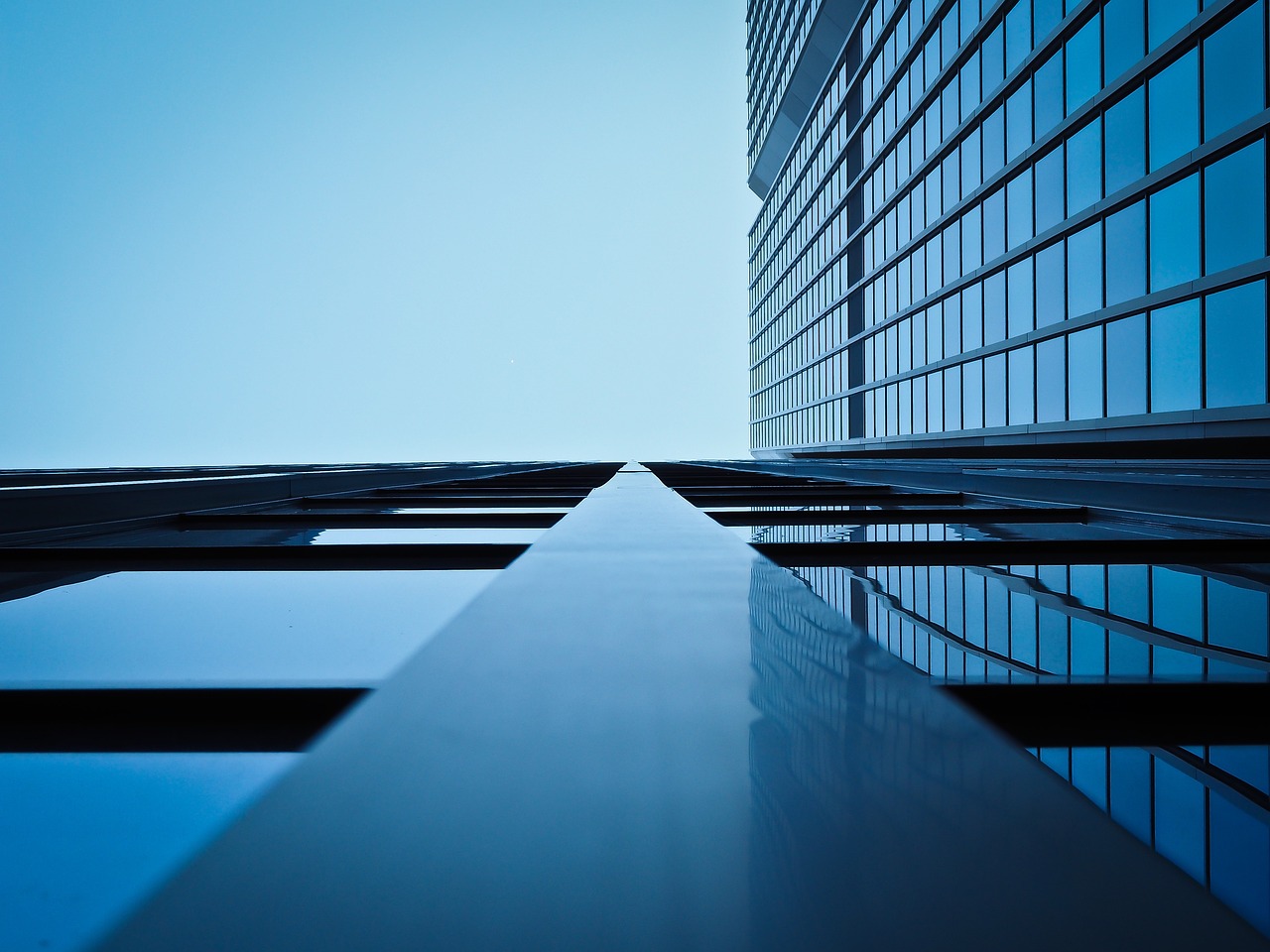
Hey there, architecture fans and urban explorers! Have you ever looked up at a booming modern city and felt completely mesmerized by those towering giants made entirely of glass? They catch the sunlight just right, reflect the passing clouds, and give any metropolis that sleek, futuristic look we have all seen in sci-fi movies. But lately, I have been doing some deep thinking about these glittering monoliths. Sure, they look undeniably cool on a postcard, but as our planet keeps turning up the heat, do glass skyscrapers actually make any sense for our future?
It is a question worth asking, especially when you walk through a bustling downtown core on a sticky summer afternoon. For decades, urban landscapes have embraced the all-glass aesthetic. Developers love them because they are fast to put up, offer sweeping panoramic views for high-paying tenants, and project an image of transparent modernity. Cities lean into them because they signal economic growth and cosmopolitan ambition. But beneath that shiny surface lies a very real, very pressing environmental puzzle that architects and city planners are grappling with right now.
The Rise of the Transparent City
To understand where we are today, we have to look back at how cities evolved. The obsession with glass architecture didn’t happen overnight. It was driven by a desire for openness, light, and sleek design. Traditional buildings with thick brick walls and smaller windows started to feel heavy and outdated compared to buildings wrapped in sheer curtains of shimmering glass.
These structures completely changed our urban skylines. They replaced older, more grounded architectural styles with lightweight, soaring towers that seem to defy gravity. From a distance, a skyline full of glass towers looks like a jagged mountain range of ice and light. Up close, they create dramatic canyons of reflection where the street below feels miles away from the sky.
Yet, this architectural revolution came with a hidden catch. Buildings are not just sculptures to be admired from afar; they are enclosures meant to shelter people and regulate internal environments. And when your primary envelope material is a single sheet of glass, controlling that environment becomes an entirely different kind of challenge.
Battling the Greenhouse Effect Indoors
Here is the core irony of the modern glass skyscraper: while we are currently living on a planet experiencing rising global temperatures, many of our buildings are literally designed like greenhouses.
Think about how a greenhouse works in your garden. The glass lets sunlight pour right in, trapping the heat inside to keep plants cozy. Now, apply that exact same science to a massive office tower standing fifty stories tall in the middle of a major city. When the sun beats down on miles of pristine glass, the interior spaces naturally want to heat up like an oven.
To combat this, these buildings have to rely heavily on powerful, energy-guzzling air conditioning systems just to keep office workers from melting at their desks. It creates a frustrating loop: the building absorbs solar heat, requires massive amounts of energy to cool down, and that very energy consumption often contributes further to the carbon emissions heating up the outside world. In an era where energy efficiency should be our top priority, wrapping a skyscraper in glass feels a bit like wearing a heavy wool sweater in the middle of a desert heatwave.
The Search for Smarter Design
So, does this mean we need to tear down our skylines and go back to living in caves? Absolutely not. Human ingenuity is rarely a dead end, and architects are well aware of these architectural hurdles. The real challenge moving forward is figuring out how to adapt our cities for a warmer climate without losing the aesthetic and functional benefits of modern construction.
We are starting to see conversations shift toward smarter, more climate-responsive building practices. This means rethinking how glass is used—perhaps through advanced coatings that reflect infrared heat, integrated shading systems, or scaling back the percentage of glass on a facade in favor of more insulative materials. It is all about finding a healthy balance between letting natural light in and keeping unwanted thermal energy out.
As cities continue to evolve, our priorities are shifting. The shiny, mirror-like facade that once symbolized ultimate progress is now facing a reality check. Aesthetics matter, but resilience matters more. The next generation of city skylines won’t just be judged by how brightly they glitter in the afternoon sun, but by how well they protect the people inside them when that sun gets a little too hot.
What do you think about the glass giants dominating your nearest city? Do you love the futuristic look, or are you ready for a return to a more grounded, climate-smart style of architecture? Let me know your thoughts in the comments below, and stay tuned for more urban design deep-dives!
source: nytimes.com (www.nytimes.com)