
Hey there, tech and world news enthusiasts! Today we are looking at some intense updates coming straight from the ongoing conflict in Eastern Europe. Things on the ground and in the skies are shifting rapidly, and Ukraine is making some major adjustments to its defense strategy. From record-breaking casualty numbers to massive pushes in drone manufacturing and creative underground tactics, there is a lot to unpack. Let’s dive right into what has been happening over the past few weeks.
First off, the numbers coming out of the Ukrainian military are staggering. According to their reports, Russian casualties hit a staggering 49,040 in October alone, setting a brand-new monthly record. This follows a previous high of 46,230 in September. If you recall, Ukrainian President Volodymyr Zelenskyy set a pretty ambitious goal back in January: he wanted to reach at least 50,000 enemy casualties a month by the end of 2026. The idea behind this strategy is simple math—pushing losses to a level where Russia simply cannot keep up with the reinforcements they send to the front lines. Robert Brovdi, commander of Ukraine’s Unmanned Systems Forces, even described the situation as a massive industrial slaughter.
Of course, it is worth noting that these estimates come directly from Ukraine and cannot be independently verified, though the military claims to have video documentation for every single strike. So, how are they keeping up this intense level of pressure? The short answer is aerial drones.
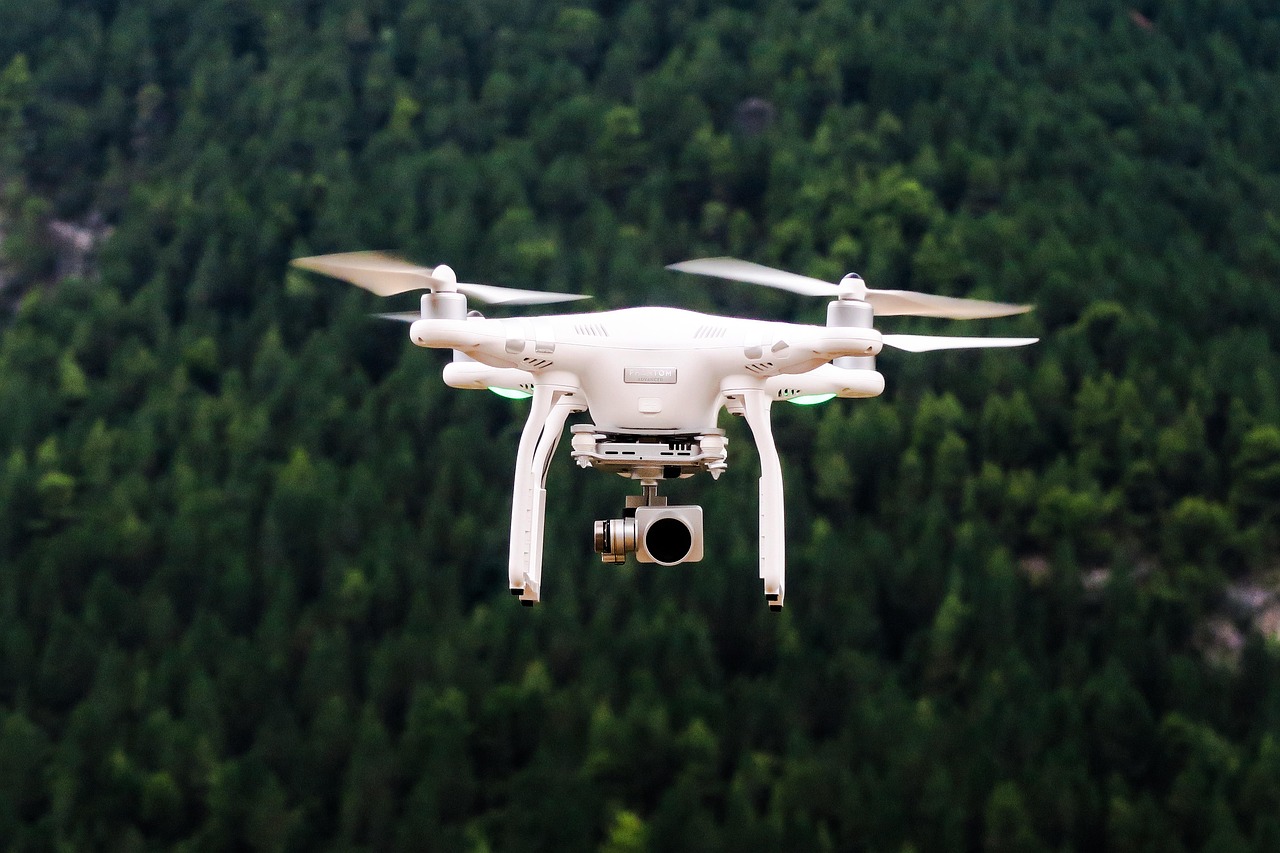
Drones are driving the vast majority of these casualties. Recognizing this, Ukrainian Defence Minister Yevhenii Khmara recently reached out to European allies looking for funding. The goal? To double drone production next year, aiming for roughly 16 million units. Zelenskyy even believes they could potentially triple production if they secure enough financial backing. Interestingly, military advisers like Serhiy Beskrestnov point out a shift in philosophy: Kyiv is currently leaning toward sheer mass and simplicity over complex technology because mass production is proving to be the key to winning the firepower battle.
European partners are stepping up to help fund these grand ambitions. The Netherlands recently pledged 500 million euros in immediate additional military aid, alongside another 1.2 billion euros in financing. Meanwhile, UK Prime Minister Andy Burnham boosted Britain’s total commitment by 10 billion pounds over a three-year period, with a solid 4 billion pounds specifically dedicated to weapons.
Speaking of technology, communication satellites have been a hot topic lately. Ukraine recently announced that its Starlink satellite navigation services returned to normal after a brief hiccup. Earlier in October, Ukrainian forces reported losing control of their drones at speeds over 150km/h, which made it tough to intercept faster Russian jet-powered drones traveling above 500km/h. Elon Musk later confirmed that he had closed a loophole allowing offensive use, leading to a temporary speed restriction that caused a slight dip in Ukraine’s interception rate, according to the Institute for the Study of War.
However, Ukraine isn’t putting all its eggs in one basket anymore. In a move toward tech independence, Ukraine and Finland announced a joint project to develop an independent sovereign military satellite system. Teaming up with Poland-based ICEYE and Finland’s Nokia, the project aims to start launching satellites by 2028, and other European nations like the Netherlands are already showing interest in collaborating.
Despite any communication hiccups, Ukraine’s interception rate has bounced back impressively. Air Force data shows they shot down at least 75 percent of jet-powered drones during the final week of October, well above the usual three-month average of 60 percent. Even so, getting past the defenses still happens, tragically evidenced by a strike on a train platform in Dnipro that claimed multiple lives.
Ukraine has also expressed growing frustration over delays in receiving ballistic missile interceptors for Patriot and NASAMS systems from the US administration—delays that Zelenskyy argues are hampering defense against recent attacks. To bridge the gap, Khmara asked European allies to transfer 10 percent of their current stocks as an advance on future orders.
It hasn’t all been defensive, though. Over the past week, Ukraine launched successful counter-strikes targeting Russian infrastructure critical for the war effort. Missiles destroyed the main microchip production building of Proton-Electrotex in Orel, which makes essential missile components. They also targeted multiple chemical plants producing solid rocket propellants, as well as crucial aircraft and metal manufacturing factories.
Perhaps one of the most fascinating developments is what is happening underneath the ground. Forget the drone-monitored battlefields for a second—Ukraine recently pulled off an incredible underground operation called Operation Veles. The Khartiia Corps successfully cleared out Russian infiltrators who were secretly using an abandoned gas pipeline to move troops from occupied parts of Kharkiv straight to the front-line city of Kupiansk.
Instead of just blocking it, Ukrainian fighters turned the tactic around. Brigadier General Ihor Oboloenskyi noted that forces advanced 15 kilometers underground through pipelines and tunnels, popping up behind enemy positions. By coordinating these underground movements with overland attacks and drones, they managed to completely surprise the enemy, taking dozens of prisoners and neutralizing opposing forces. It marks another successful push in reclaiming territory, alongside recent liberations of settlements near the Donetsk-Zaporizhia border.
As for diplomatic efforts, the road ahead still looks rocky. While the US is reportedly pushing to bring Ukrainian and technical teams to the negotiating table soon, and Zelenskyy has shown openness to a ceasefire regarding energy infrastructure and grain exports, Moscow’s stance remains tough. Russian leadership continues to downplay expectations, with President Vladimir Putin making strong statements about historical territories and foreign policy advisers suggesting talks won’t resolve much.
That is all for today’s roundup. The situation on the ground remains deeply complex and fast-moving. Stay tuned to the blog for more updates as this story continues to develop!
source: aljazeera.com (www.aljazeera.com)