
Hey there, fellow news followers! If you’ve been keeping an eye on what’s happening in the UK lately, you know that tensions are running pretty high around certain political groups and public demonstrations. Recently, things got really intense in the capital city when a large crowd gathered to make their voices heard, and law enforcement officers stepped in with a very strict approach.
Nearly 50 individuals found themselves in handcuffs during the very first major protests taking place under the premiership of Andy Burnham. The main point of contention? The official proscription of Palestine Action, which has sparked major debates, rallies, and legal challenges across the country.
The Scene Outside the US Embassy
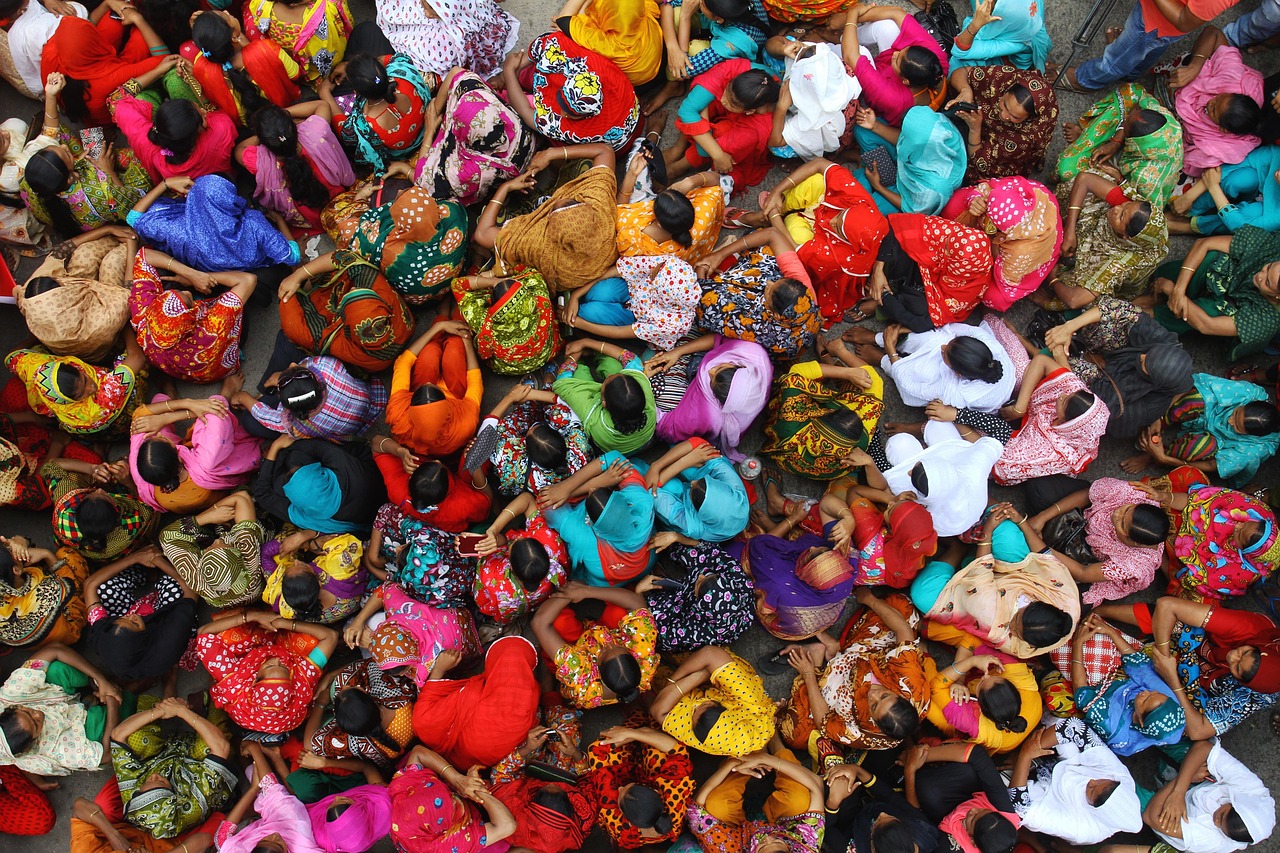
Hundreds of people decided to show up outside the US embassy located in Battersea, situated in south London. The crowd carried signs bearing clear messages, with many displaying the words: “I oppose genocide, I support Palestine Action.” At the same time, a similar vigil took place further north, with demonstrators gathering outside the US consulate in Edinburgh to support the group.
Before the London event even properly kicked off, the Metropolitan Police made their stance crystal clear. They warned anyone planning to attend that a robust policing operation was in effect. Authorities stated that participants faced a high risk of arrest, particularly if they played any key role in organizing the gathering, providing logistical support, or instructing others.
As the afternoon unfolded, the Metropolitan Police took to social media to confirm the numbers, stating that officers had already arrested 48 people. Commander Adam Slonecki, who oversaw the policing operation, explained the official perspective. He noted that everyone attending knew that supporting a proscribed organization goes against the law, meaning they were essentially gathering with the intent to commit a crime.
On the other side of the barricades, Defend Our Juries—the organization behind these demonstrations—estimated that around 400 people showed up to take part. A spokesperson for the group claimed that the police response showed an extreme eagerness to prevent any potential embarrassment for the United States, arguing that the UK authorities are willing to go to great lengths to appease American interests regarding foreign policy and the ongoing situation in Gaza.
Voices from the Crowd
Among the hundreds gathered outside the embassy was 79-year-old retiree Sue Morhall. Sitting on the ground with a sign expressing support for Palestine Action, she voiced her concerns about international politics. She believes that the US is complicit in many ongoing global conflicts and feels that world leaders need to understand that ordinary people strongly oppose the violence unfolding in Gaza.
Morhall mentioned that she remains hopeful Mr. Burnham might eventually rescind the ban, though she jokingly admitted it might take a miracle. Having been arrested five or six times at previous protests, she shared that she feels relatively calm about being put into a police van again, emphasizing that she is driven purely by personal principle.
Another prominent participant was 72-year-old retired reverend Bill White. Holding a sign with the exact same message opposing genocide and supporting the banned group, he expressed deep disappointment that Britain is allegedly helping facilitate violence in Palestine through the supply of weapons. As a faith leader, he felt he had no other choice but to join the demonstration, arguing that it is wrong to criminalize people who are simply trying to prevent a humanitarian crisis.
The timing of these protests is no coincidence. They arrived just ahead of an upcoming appeal scheduled at the UK Supreme Court regarding the official designation of Palestine Action as a terrorist group. Just a month prior, a similar event outside the Labour Party conference in Liverpool resulted in more than 160 people being arrested or reported for summons.
Political Pressure and Social Media Fallout
The new government continues to face mounting pressure to lift the ban, even though Home Secretary Shabana Mahmood has remained firmly in favor of keeping the group proscribed. The controversy has also rippled through cultural and political circles.
Recently, journalist and author Sarah Helm—who is married to the prime minister’s national security adviser, Jonathan Powell—faced accusations of supporting Palestine Action after sharing a post online expressing solidarity with authors facing restrictions over their political views. This followed news regarding Irish author Sally Rooney and her books. Interestingly, another demonstrator at the London protest was arrested while holding a sign that copied Helm’s social media post almost word-for-word, even though the police ultimately decided that Helm’s original online statement did not cross the legal threshold into criminal activity.
Tensions also flared during the Labour Party conference when activists confronted Foreign Secretary Ed Miliband while he was having a meal at a local restaurant. Video footage captured protesters urging him to officially declare the situation in Gaza a genocide and to de-proscribe the controversial group. While Miliband briefly engaged with them, stating he was happy to discuss the matter at another time, the protesters were quickly ushered out of the premises.
My Take on the Growing Clash Over Free Speech and Activism
Looking at these events, I find it fascinating—and frankly quite sobering—how quickly public demonstrations can intersect with strict national security laws. What stands out to me the most in this situation is the deep ideological divide over what constitutes legitimate political expression versus unlawful support for a banned organization. When retirees and religious figures are willingly getting arrested multiple times over the exact same principle, it highlights a level of commitment that standard political maneuvering simply cannot ignore.
At the same time, I see this as a massive legal and political headache for the government. On one hand, law enforcement has a clear mandate to enforce current proscription laws and maintain public order. On the other hand, when citizens use direct action and civil disobedience, it forces the public conversation right back onto government policies regarding foreign alliances and arms supplies. Whether these protests will actually move the needle on policy changes remains entirely uncertain, but they certainly ensure that the issue stays front and center in the public eye.
Ultimately, these demonstrations show no signs of slowing down, especially with legal appeals waiting in the wings. As the courts prepare to look closer at the designation of Palestine Action, the streets of London and other cities will likely continue to see passionate clashes between activists and authorities.
Thanks for reading along! Make sure to stay tuned for more updates as this developing story continues to unfold.
source: theguardian.com (www.theguardian.com)