
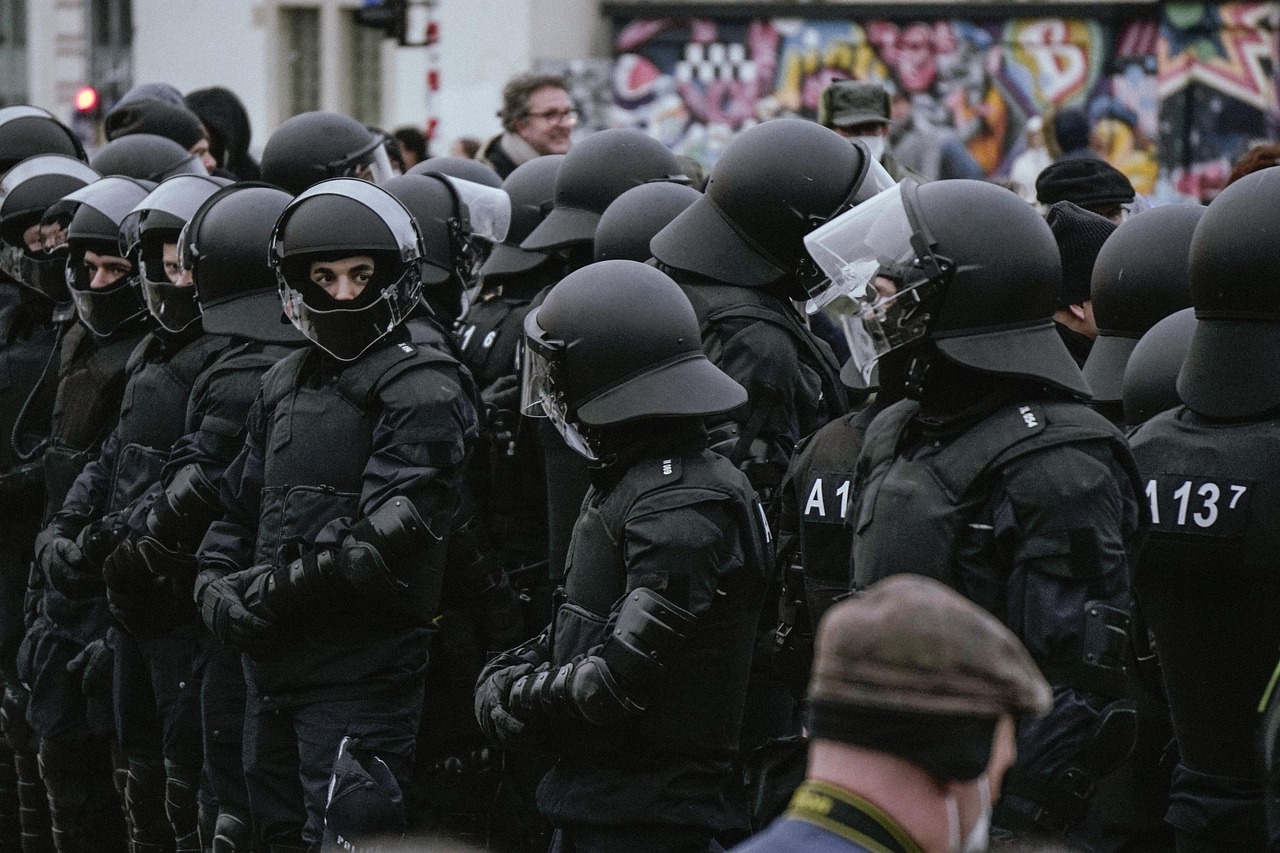
Hey there, fellow news followers! If you have been keeping an eye on international headlines lately, you probably know that things have been quite intense in France. Well, the situation is gearing up for another major weekend, and the authorities are on high alert. With a major holiday colliding with widespread public anger, officials are pulling out all the stops to keep the streets under control.
Let’s take a quick look at what is happening on the ground. Thousands of demonstrators are expected to hit city streets across France. This has become a weekly ritual of national frustration that often triggers clashes between police forces and protesters, leaving the entire nation feeling pretty tense.
What makes this particular weekend even more nerve-wracking is the calendar. Halloween falls on the exact same day. French authorities have pointed out social media calls urging people to revolt and wear masks and costumes, warning that the danger of a fresh wave of violence is very real.
Last weekend saw massive demonstrations, but thankfully they did not spiral into the total lawlessness seen the week before. A massive security presence helped keep things relatively contained, and officials are planning to use that exact same playbook again. In Paris, authorities have once again shifted the official march route to the city’s eastern periphery. This move has predictably sparked anger and unsuccessful legal challenges from the organizers.
The man leading the security charge, interior minister Laurent Nuñez, did not mince words. He warned that the day carries a very high risk to public order. To combat this, he promised to deploy 70,000 police officers, matching the hefty numbers seen on a previous heavy deployment. That previous operation did help keep a lid on widespread arson and looting, though things still got heated with clashes as officers tried to clear the crowds after dark.
Honestly, the ingredients for another combustible scene are all over the place. Students are supposed to be heading back to school after a two-week break, but they are far from satisfied with the government’s initial attempts to address their demands. While the Education Ministry agreed to cap certain class sizes, offer low-interest loans for building repairs, and phase out an unpopular online college admissions platform, the students are having none of it. They have made it clear they will keep marching.
This movement, which started a couple of months ago, has snowballed. It now ropes in university students, public workers, and veterans of the famous yellow vest movement that rocked France a few years ago. While daytime tensions are expected, the authorities are losing the most sleep over what might happen after the sun goes down.
Mr. Nuñez noted that they are tracking numerous calls to gather coming from the far left, radicalized extreme left, and certain radicalized yellow vest online spaces. These groups are pushing people to show up at public rallies in many French cities starting at 8 p.m. Some of these online messages have taken a violent turn, explicitly calling for revolution and insurrection. Officials have stated that these gatherings are strictly forbidden, and anyone trying to show up despite the ban will face arrest.
Adding the Halloween element into the mix, demonstrators have been encouraged online to wear costumes. However, the interior minister issued a reminder that concealing your face during a disruptive public demonstration is actually a criminal offense.
Social media has become a major headache for French officials, who are increasingly worried about how these online platforms attract crowds and spark violent behavior. Rumors even floated around that the government might temporarily suspend several popular sites, though President Emmanuel Macron himself stepped in to deny those claims.
Meanwhile, the political blame game continues. While the government mostly points the finger at far-left activists for the chaos, officials have also confirmed that bands of young men tied to the far right have infiltrated the demonstrations. They claim they are there to protect shop owners, but they frequently end up trading blows with far-left groups.
If we trace how all of this started, the nationwide unrest kicked off with a handful of student demonstrations at high schools in the suburbs of Paris. What began as localized complaints about expensive living conditions, high fuel prices, and crumbling school infrastructure quickly morphed into something much larger. Opportunistic rioters and looters have jumped into the mix, using the demonstrations as a smoke screen for vandalism.
Over the past two months, the protests have grown exponentially. In late September and early October, hundreds of schools were blockaded with e-bikes, and students threw projectiles and set trash cans on fire. While education officials admitted some student demands were legitimate, they strongly condemned the confrontational tactics, noting instances of students chasing teachers and targeting principals with firework-launching tubes.
By October, the actions expanded to include labor unions, parents, and other groups. Official and union estimates put peak crowds at anywhere from half a million to nearly a million people across the country. While many marchers remained peaceful, the dark side of the protests involved rioters vandalizing roughly 1,500 shops, smashing storefronts, and burning cars in cities like Paris. In the town of Limoges, things got so out of hand that rioters even set fire to the historic 19th-century City Hall, causing its spire to collapse in flames.
Now, with thousands of arrests already logged and politicians deeply divided on the path forward, the country holds its breath to see how this tense weekend unfolds.
My Thoughts on the Situation
Looking at how this entire situation is being reported, I find myself exercising a bit of healthy skepticism, and I think readers should approach the narrative with the same balanced eye. When reading about mass civil unrest, it is very easy to get swept up in the dramatic imagery of burning buildings, massive crowd numbers, and warnings of impending doom. However, based strictly on the facts provided, we have to look closely at how different groups are being lumped together and how the narrative is shaped by official statements.
For one thing, the reports clearly show that while there is widespread, legitimate public frustration regarding living costs and school conditions, a distinct subset of individuals is responsible for the actual violence and looting. According to the text, the vast majority of early and even recent marchers participated peacefully, yet the overarching media and governmental focus often pivots quickly to the destructive elements. As a reader, it is important to separate the grievances of the students and labor unions from the actions of opportunistic rioters or radicalized factions who use the protests as a cover for chaos.
Furthermore, we should take official pronouncements about impending apocalyptic scenarios—like the specific warnings tied to Halloween costumes—with a grain of salt. While security preparations are a standard governmental response to past violence, emphasizing social media calls to action can sometimes amplify the very groups authorities are trying to suppress. My takeaway here is simple: while the situation in France is undoubtedly severe and volatile, distinguishing between peaceful dissent, student grievances, and genuine criminal vandalism is crucial to truly understanding what is happening on the ground.
Anyway, that is the latest rundown of the events shaking up France right now. Stay safe, keep reading critically, and I will catch you in the next post!
source: nytimes.com (www.nytimes.com)