
Hey everyone, welcome back to the blog! Today, we are diving into a really surprising international headline that caught a lot of us off guard. If you’ve been keeping an eye on world news lately, you probably know that El Salvador has been making waves with its unique approach to security under its current administration. Well, they just took things a step entirely further by crossing borders and getting involved in one of the most complex crises in the Western Hemisphere.
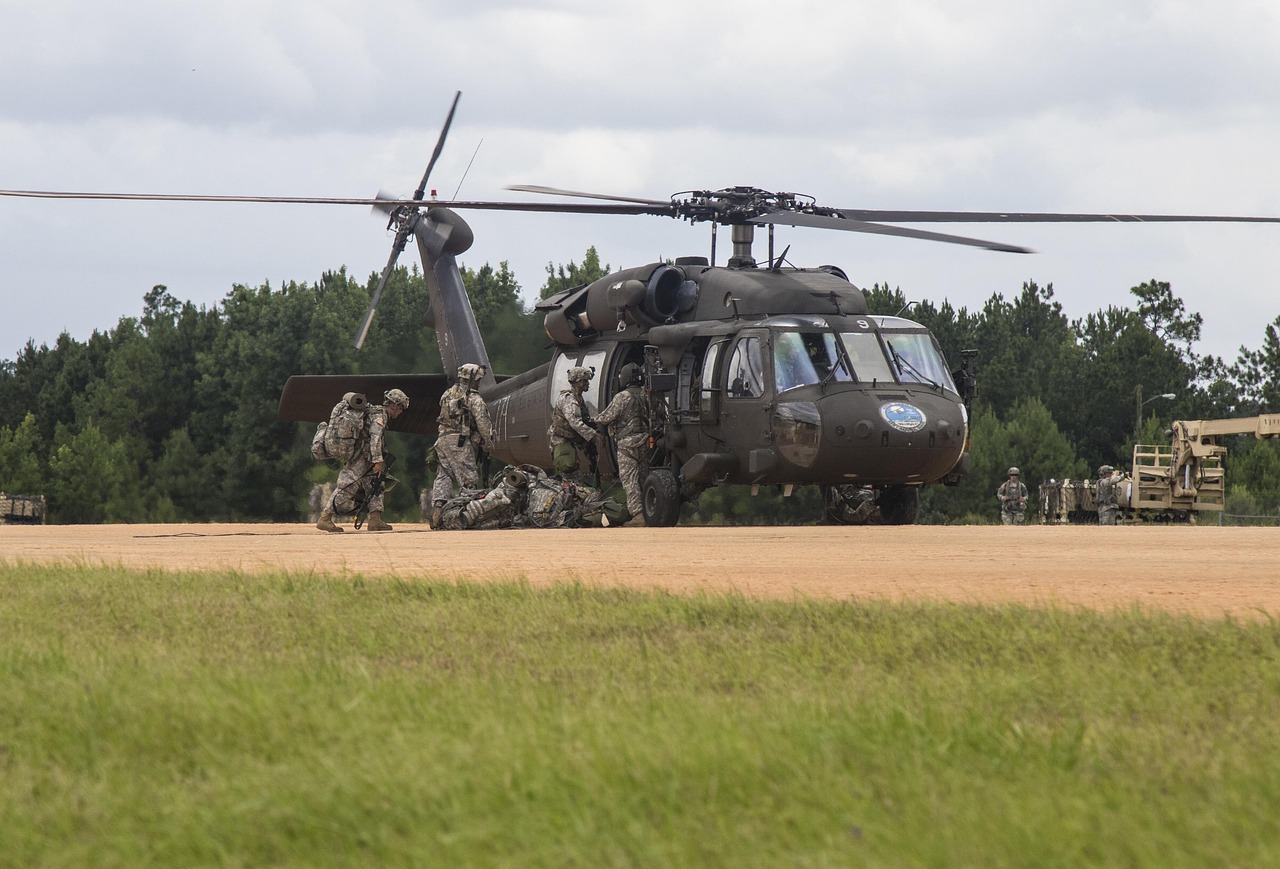
According to recent reports, the Salvadoran government has made the extraordinary decision to dispatch more than 2,000 troops straight to Haiti. Yes, you read that right—over two thousand soldiers on foreign soil. It is a massive move, and naturally, it has left political analysts, everyday observers, and international watchers asking a million questions about what comes next for both nations.
Let’s unpack what we actually know about this situation. For a while now, El Salvador has been dominating headlines for its aggressive domestic security campaigns. The administration there has essentially reshaped the country’s internal landscape through sweeping crackdowns on gangs and crime. Whether you view those methods through a lens of extreme caution or absolute necessity, there is no denying that the leadership in El Salvador has cultivated an image of being fiercely proactive when it comes to combating lawlessness.
Now, that exact philosophy is apparently being exported. Haiti, as many of us already know, has been grappling with an extraordinarily deep and painful security vacuum for years. The country has faced devastating institutional collapse, widespread gang violence, and immense humanitarian suffering that has left its local population in a state of constant vulnerability. International efforts to stabilize the Caribbean nation have historically faced countless hurdles, leading to a desperate search for alternative solutions and outside cooperation.
This is where the recent deployment comes into the picture. Sending over 2,000 troops abroad is not a casual administrative choice; it is a major military and logistical undertaking. It represents a dramatic escalation of El Salvador’s foreign footprint and places its armed forces directly into the heart of a volatile environment. Naturally, questions immediately arise regarding the scope of their mission, the legal frameworks governing their presence, and how local populations in Haiti will perceive an armed contingent arriving from Central America.
For weeks and months, discussions surrounding Haiti’s plight have centered on who might step up to help restore order. While various multinational proposals have been floated or implemented in the past with varying degrees of success, seeing a nation from the same broader region take such a direct, boots-on-the-ground approach is unprecedented in recent memory. It begs the question of whether this deployment is part of a broader coalition effort or a unilateral strategy by the Salvadoran government to project influence and test its security model on an international stage.
Of course, military deployments of this scale rarely happen in a vacuum. They are usually backed by complex diplomatic agreements, strategic calculations, and high-stakes negotiations behind closed doors. Yet, the sheer speed and volume of the troops sent this week suggest a sense of urgency that has taken many diplomatic circles by surprise. How these foreign soldiers will coordinate with local authorities, international monitors, and the various factions on the ground remains to be seen, as details surrounding the operational parameters are still unfolding.
My Personal Take on This Massive Cross-Border Move
Looking at this situation, I find myself fluctuating between deep concern and a weary kind of hope. When we talk about international military interventions, it is entirely too easy to get caught up in the geopolitical chess match—viewing troop counts and strategic deployments as mere pieces moving across a map. But if we strip away the political rhetoric, my mind immediately goes to the human cost and the everyday people who are forced to live through these crises. On one hand, the people of Haiti have endured unimaginable suffering, living in fear of relentless violence every single day, and it is completely understandable why any glimmer of potential relief or outside stabilization might be met with a desperate, cautious sigh of relief.
On the other hand, based strictly on the facts we have at hand, foreign military interventions carry a heavy historical baggage, especially in the Caribbean and Latin America. I worry about what happens when foreign troops step into an environment as deeply fractured and politically delicate as Haiti. From the perspective of ordinary citizens on the ground, the arrival of thousands of armed foreign soldiers must feel deeply overwhelming, raising valid fears about sovereignty, safety, and accountability. It is a fragile tightrope to walk, and while the administration in El Salvador clearly wants to showcase its capability to tackle tough security challenges abroad, the margin for error is razor-thin. If things go wrong, the human toll could be devastating, reminding us all that exporting a domestic security model to a completely different cultural and political reality is fraught with unpredictable risks.
Ultimately, this is a developing story that we will all need to watch very closely in the coming days and weeks. As more information emerges about the exact mandate of these troops and how they plan to operate in Haiti, the global community will undoubtedly hold its breath. Drop a comment below and let me know your thoughts on this unprecedented deployment, and stay tuned to the blog for more updates as they happen.
source: nytimes.com (www.nytimes.com)
Photo by Military_Material on Pixabay