
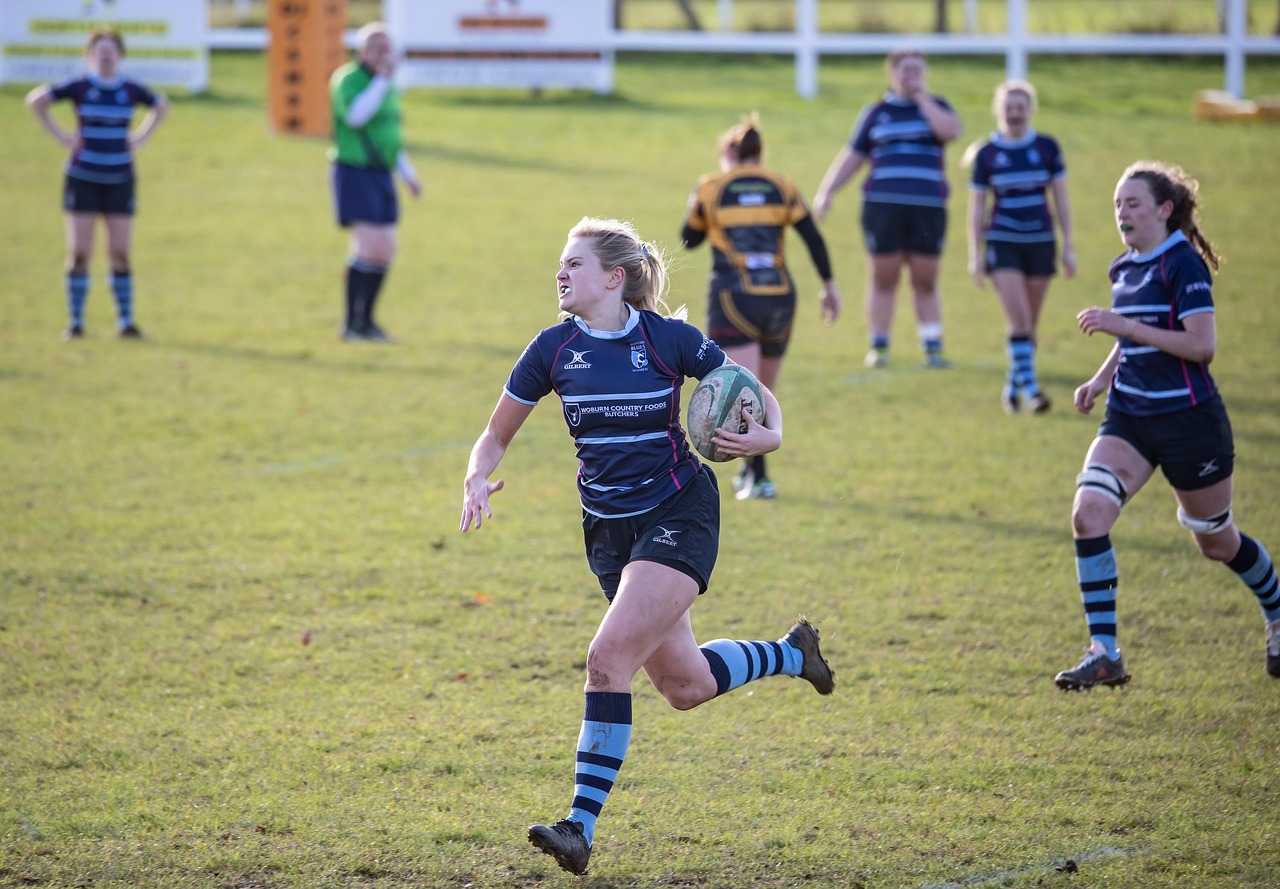
Hello everyone, and welcome along as we take a look back at an absolute powerhouse of a performance in the world of international rugby league. If you happened to follow the action or are just catching up on what went down, the final match of the pool phase in the Women’s Rugby League World Cup brought some seriously eye-popping moments.
The stage was set at Commbank Stadium in Sydney under some gorgeous spring sunshine, with temperatures hovering around a pleasant 26 degrees Celsius and a gentle easterly breeze. It was the concluding fixture of the group phase, and the atmosphere was buzzing as the teams walked out.
For those keeping track of the tournament landscape, the semi-finals were already locked in before this game even kicked off. We are looking ahead to New Zealand versus Samoa and Australia versus Fiji, putting us firmly on track for what looks like another classic Australia versus New Zealand world cup final.
The Teams and Pre-Match Context
Going into the fixture, international sport rarely presents a matchup quite this stark on paper. The Australian side, affectionately known as the Jillaroos, stepped onto the pitch as the three-time defending world cup champions, the top-ranked team globally, and a squad that has tasted defeat only once since 2016. On the other side of the field, Wales played their very first official Test just five years ago, making this encounter only their 16th fixture in total.
The tournament statistics up to this point told a clear story. Australia had not conceded a single point in the competition, while Wales had only managed to put six points on the board. Wales faced a tough tournament journey, having previously met England, who later suffered a heavy defeat at the hands of the dominant Jillaroos.
Australia’s coach opted for a number of changes to the starting line-up, bringing in an almost entirely fresh forward pack to manage player loads ahead of the knockout phase. Fresh faces in the run-on side included Jessica Sergis, Jesse Southwell, Ellie Johnston, Quincy Dodd, Makenzie Weale, Kezie Apps, and Sariah Paki. Meanwhile, Raiders fullback Sheridan Gallagher earned a spot on the bench for her Test debut after arriving in camp just days prior as an injury replacement.
Wales also made a couple of adjustments to their starting thirteen following their previous outing against Samoa, bringing in Ffion Lewis at five-eighth and Carys Marsh at dummy-half.
How the Action Unfolded on the Pitch
As soon as referee Kasey Badger got the match underway, it became clear that the afternoon was going to be a massive challenge for the Welsh defense. The opening exchanges saw Wales put in a solid defensive set and test the Australian fullback with a well-placed bomb, but it didn’t take long for the Jillaroos to find their rhythm.
Makenzie Weale broke the defensive line with tremendous force to score the opening try, kicking off a relentless wave of attacking pressure. From there, the tries came thick and fast. Jaime Chapman put on a show out on the wing, securing a brilliant hat-trick with blistering pace and smart support play that left the Welsh defenders scrambling.
The Jillaroos continued to capitalize on quick play-the-balls and clever distribution from halves Jesse Southwell and Tarryn Aiken. Jessica Sergis also crossed the line with a stunning individual effort, weaving her way down the touchline. Southwell kept up a flawless display with the boot, converting tries from difficult angles.
As the first half rolled on, the scoreboard ticked over at a historic rate, giving Australia their highest-ever first-half score in international competition. Wales fought hard and tried to stem the flow, with players like Mullen and Preston putting in some valiant tackles, but the sheer speed, strength, and skill of the Australian outfit proved too much to contain.
Catatan Saya
Melihat jalannya pertandingan ini, saya merasa laga seperti ini menyoroti jurang pemisah yang masih cukup lebar dalam kancah rugby league wanita internasional. Di satu sisi, kita melihat tim sekelas Jillaroos yang bermain di level efisiensi dan dominasi yang hampir sempurna, menunjukkan betapa profesional dan matangnya struktur pembinaan mereka selama bertahun-tahun. Di sisi lain, Wales adalah contoh nyata dari tim yang sedang berproses, baru membangun fondasi di panggung global, dan setiap menit di lapangan adalah pengalaman berharga untuk masa depan mereka.
Dari sudut pandang gambaran besar turnamen, hasil dan pola permainan seperti ini memperlihatkan pentingnya ekspansi dan investasi yang berkelanjutan bagi negara-negara berkembang di cabang olahraga ini. Meskipun skor akhir terlihat sangat timpang dan berat sebelah, kehadiran tim seperti Wales di turnamen sebesar Piala Dunia adalah langkah awal yang krusial. Tantangan ke depan bagi badan pengatur rugby league dunia adalah bagaimana meratakan persaingan dalam jangka panjang agar turnamen di masa depan tidak hanya menjadi milik segelintir kekuatan tradisional saja, melainkan menjadi kompetisi yang benar-benar kompetitif di setiap fase grup.
Bagi Australia, kemenangan telak ini tentu saja memberikan suntikan moral yang luar biasa menjelang fase gugur, tetapi ujian sebenarnya baru akan dimulai saat mereka menghadapi lawan-lawan tangguh di semifinal dan kemungkinan besar bertemu Selandia Baru di partai puncak. Kita tentu nantikan bagaimana dinamika ini berkembang saat turnamen memasuki babak penentuan.
Itu saja ringkasan dan catatan singkat dari laga Pool yang menarik ini. Tetap pantau terus berita olahraga lainnya di blog ini, dan sampai jumpa di ulasan pertandingan berikutnya!
source: theguardian.com (www.theguardian.com)
Photo by TheOtherKev on Pixabay