
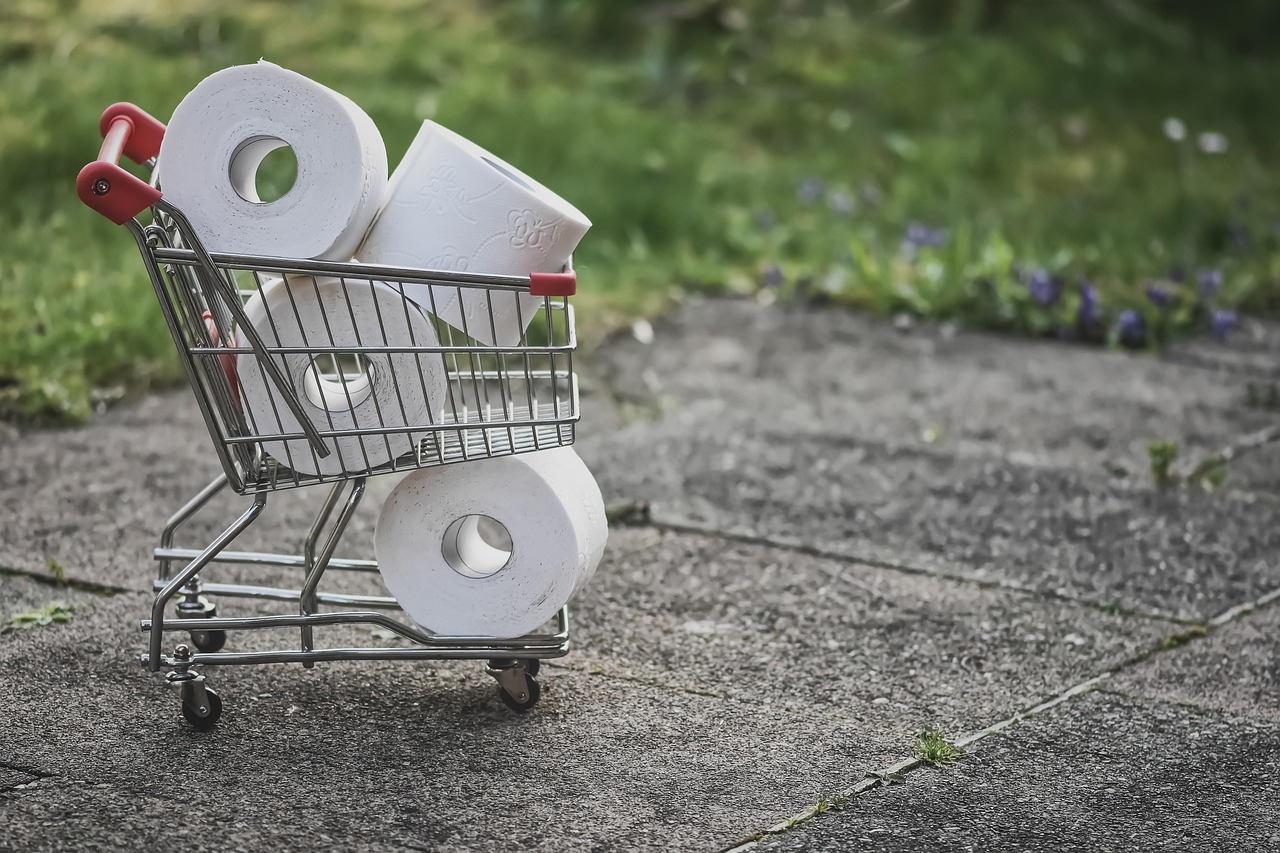
Remember the great toilet paper scramble of 2020? Well, it seems we might just be heading back down that familiar road. Recently, certain shops experienced a run on bottled water and baked beans. This came right on the heels of official government guidance advising citizens to build up a stockpile of emergency supplies to handle everything from cyber-attacks to severe weather.
The campaign driving this is simply called Be Ready. Security minister Dan Jarvis has publicly stated that anyone who is able to follow this advice should definitely go ahead and do it. Naturally, this has led to a burning question that many people are asking their friends and family: what is your personal prepper style?
People’s reactions to this sort of news generally fall into a few distinct categories. Some people lean heavily into panic, while others choose denial or complete ambivalence. When faced with warnings about state-sponsored terrorism and very real, non-hypothetical threats to national resilience, everyone develops their own unique coping mechanism to maintain the comforting illusion of control.
Take the anxiety-fueled approach, for instance. This style involves feeling thoroughly nervous, but immediately letting go of that worry the second someone else rolls their eyes and claims the government is just being overly dramatic. It is much easier to trust the ill-informed opinions of random members of the public over security experts who actually possess classified, inside knowledge. Often, this boils down to pure laziness, a strong hatred of supermarkets, and the quiet acceptance that you simply will not survive serious adversity anyway. Why bother running from a zombie apocalypse when you could just give up?
On the complete opposite end of the spectrum are the eternal optimists. These are the folks who dismiss official government campaigns as much ado about nothing, acting as though the news came from some sketchy dark-web conspiracy forum rather than elected officials. They are convinced they possess natural hunter-gatherer instincts. Put them in a crisis, and they will happily roast a squirrel over a fire fueled by sheer determination, totally ready to convince everyone that it actually tastes delicious.
Then there are the naturally suspicious types who immediately consider withdrawing large amounts of cash to hide around the house, only hesitating because they worry more about neighborhood burglars and eventual looting. Meanwhile, ultra-organized and calm individuals likely already have every item on an emergency checklist tucked away neatly in their pantries, long before any official campaign even launched. Others fall into the chronically disorganized camp, repeatedly meaning to pick up emergency supplies at the store, only to forget the list every single time. And, of course, there are those who prefer to keep their heads firmly in the sand, completely oblivious to what is happening and refusing to talk about it at all.
My Take on Our Collective Panic and Coping Mechanisms
Looking at how differently we all respond to these official warnings, it is hard not to draw parallels to how humanity reacts to other large-scale anxieties, like economic uncertainty or climate change. When authorities tell us to prepare for the worst, the message rarely lands on a blank slate. Instead, it collides directly with our existing personality flaws, coping mechanisms, and deeply ingrained worldviews. The fact that our immediate reaction to a potential cyber-attack or severe weather event is to run out and buy baked beans highlights just how reliant we are on our daily comforts, and how fragile we feel when those routines are gently questioned.
What stands out to me in all of this is how our response to fear often mirrors our everyday approach to stress. Some people need control and checklists, while others rely on humor, denial, or a romanticized view of their own survival skills. While a government campaign aiming to boost national resilience is grounded in serious security concerns, the public conversation quickly devolves into self-awareness and jokes about who would actually survive a catastrophe. It suggests that while we might acknowledge external threats on an intellectual level, our emotional defenses are entirely localized and uniquely human.
source: theguardian.com (www.theguardian.com)
Photo by Alexas_Fotos on Pixabay