
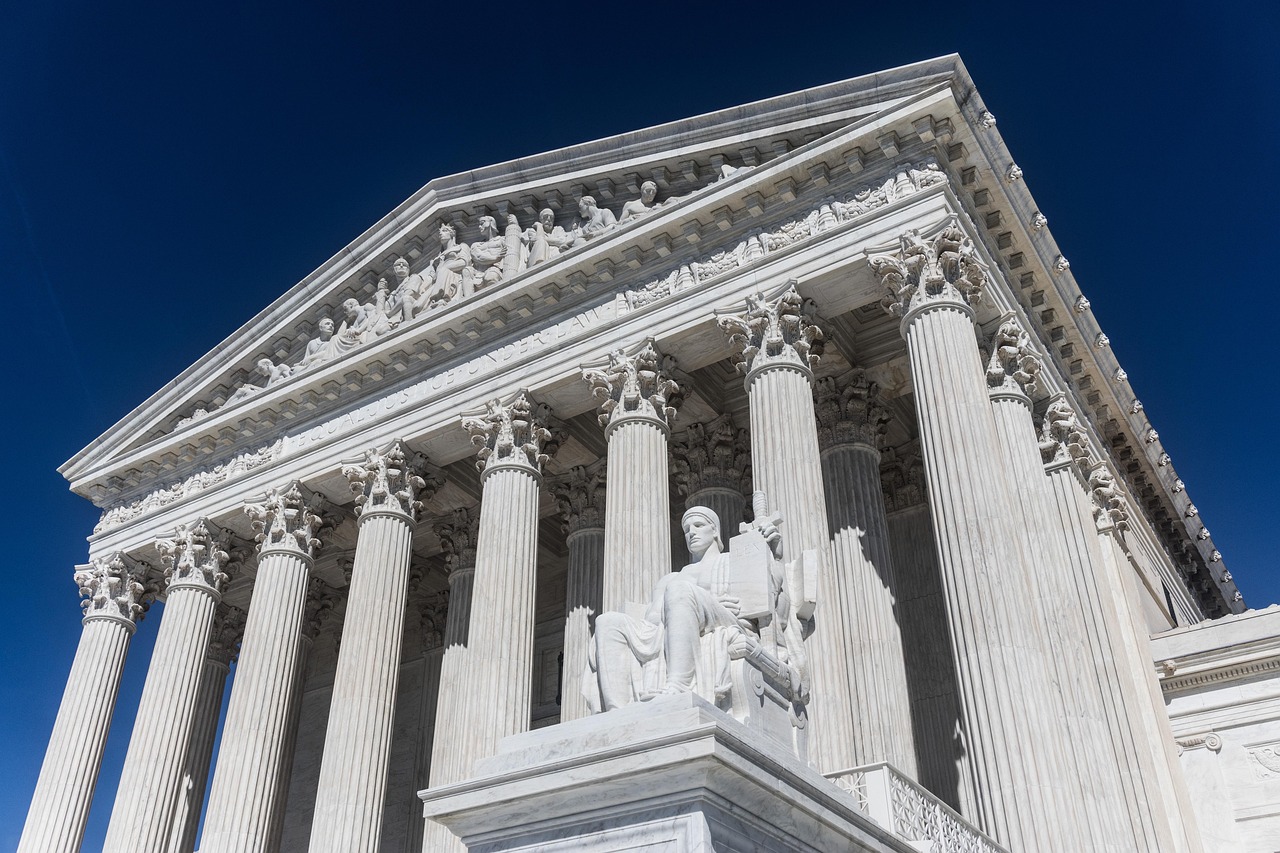
Hey there, tech and news enthusiasts! Welcome back to the blog. Today, we are diving into a massive legal showdown happening down under. If you have been keeping an eye on global tech regulations, you probably heard about Australia rolling out a world-leading restriction on digital platforms for minors. Well, that policy is now facing its biggest hurdle yet, right in the country’s highest court.
The whole situation has sparked a fiery debate about where we draw the line between protecting kids online and preserving free speech. Let’s break down what is actually happening in the High Court of Australia and why everyone from major tech companies to digital rights advocates is watching closely.
The Legal Battle Begins in Canberra
The legal challenge kicked off with a hearing where critics laid into the government’s approach. According to the arguments presented to the court, the rushed implementation of the policy resulted in regulations that are poorly planned and ultimately strip young people of their right to communicate freely.
The rules in question were introduced late last year, marking a bold attempt by the government to curb youth access to major digital platforms. Ten specific platforms—including popular names like Facebook, Instagram, TikTok, YouTube, Reddit, Snapchat, X, Kick, Threads, and Twitch—are required to take reasonable measures to block anyone under the age of 16 from holding an account. Companies that fail to comply face massive financial penalties of up to A$99m, though no fines have been handed out yet, even as the eSafety Commissioner investigates several platforms for potential non-compliance.
Interestingly, some services managed to stay off the restriction list. Messaging apps like WhatsApp, gaming hubs such as Roblox and Discord, and educational tools like YouTube Kids and Google Classroom were left out of the sweeping restrictions.
Arguments from the Critics and Tech Giants
Standing against the policy are groups like the Digital Freedom Project, spearheaded by a New South Wales parliamentarian, along with the online discussion platform Reddit. Both entities argue that the restrictions are fundamentally unconstitutional and amount to outright censorship.
Inside the courtroom, legal representation for Reddit pointed out that the policy creates serious concerns regarding user privacy and political rights. They argued that the legislation violates the implied freedom of political communication embedded in the nation’s legal framework by locking kids out of contemporary communication channels. Furthermore, critics highlighted that the legislative process was lightning-fast, leaving stakeholders with a mere 24-hour window to make submissions, completely bypassing proper public consultation and ignoring advice from the country’s online safety regulator.
Initially, two teenagers stood at the forefront of the legal challenge as plaintiffs. Although they have since stepped back from that specific role without publicly detailing their reasons, one of the teens spoke up outside the courthouse to stress that young people need a seat at the table, warning that otherwise, kids are reduced to mere spectators in a world being shaped for them.
The Government Defense
On the flip side, the government is standing firm. Communications Minister Anika Wells addressed supporters and media outside the court, framing the debate as one of the most critical policy dilemmas of our time. She emphasized that the administration’s primary goal is to safeguard a fundamental pillar of local democracy: the right of citizens, especially children, to be shielded from harm.
Government lawyers began presenting arguments to the full bench of the High Court to demonstrate why officials believe digital networks cause genuine harm to developing minds. The defense contends that proactive measures are necessary to shield minors from toxic material, framing the legislation as a vital shield rather than a tool for suppression.
As for the platforms themselves, the impact was immediate. In the initial days following the rollout, Meta reported shutting down roughly half a million accounts belonging to affected users. While some youngsters found themselves locked out immediately, reports indicate that many quickly found ways around the age-verification barriers, which ranged from submitting selfies and photo IDs to providing credit card information.
Catatan Saya
Menurutsaya, perdebatan hukum mengenai kebijakan pembatasan platform digital bagi anak-anak di Australia ini menyajikan dilema yang sangat kompleks. Di satu sisi, niat untuk melindungi generasi muda dari paparan konten berbahaya di ruang digital adalah tujuan yang sangat mulia dan masuk akal. Namun, di sisi lain, kritik mengenai proses legislasi yang terburu-buru dan potensi pelanggaran terhadap hak kebebasan berekspresi patut dicermati secara kritis.
Sebagai pembaca yang objektif, kita perlu membaca dinamika ini dengan hati-hati. Seringkali, perdebatan kebijakan publik terjebak antara dua ekstrem: narasi perlindungan mutlak anak versus argumen kebebasan absolut. Berdasarkan fakta yang ada di sumber, argumen bahwa regulasi ini disusun dengan sangat cepat tanpa konsultasi publik yang memadai memang menjadi titik lemah yang sah secara hukum, sementara kekhawatiran pemerintah terhadap dampak negatif media sosial terhadap kesehatan mental anak juga didasarkan pada kekhawatiran yang nyata di masyarakat.
Pada akhirnya, keputusan akhir Mahkamah Agung Australia ini akan menjadi preseden penting tidak hanya bagi negara tersebut, tetapi juga bagi yurisdiksi lain di seluruh dunia yang sedang mempertimbangkan langkah serupa untuk mengatur interaksi anak-anak dengan dunia maya. Kita tentu harus menunggu bagaimana majelis hakim menilai pertentangan antara hak konstitusional dan mandat perlindungan publik ini.
That is all for today’s update, folks! What do your thoughts lean toward when it comes to age limits on digital platforms? Drop your thoughts below, and stay tuned for more updates as this monumental court case unfolds!
source: feeds.bbci.co.uk (www.bbc.co.uk)
Photo by MarkThomas on Pixabay