
Hey there, everyone! Welcome back to the blog. Today, we are taking a look at some interesting developments happening over in Europe regarding the ongoing situation in Ukraine. Even though the conflict is still very much active, governments are already thinking ahead to what the future might look like when the dust finally settles. It is a classic case of hoping for the best while actively preparing for whatever comes next.
Recently, news dropped that Britain and France are stepping up to lead a brand-new military exercise. The main goal? To test out how a multinational force could actually deploy to Ukraine if and when a peace agreement eventually gets hammered out. It is a big logistical puzzle, and leaders want to make sure they are not caught flat-footed if a diplomatic breakthrough suddenly happens.
Let’s dive into the details of what is going on, who is involved, and what this whole rehearsal is supposed to achieve.
Inside the Upcoming Rehearsal in Poland
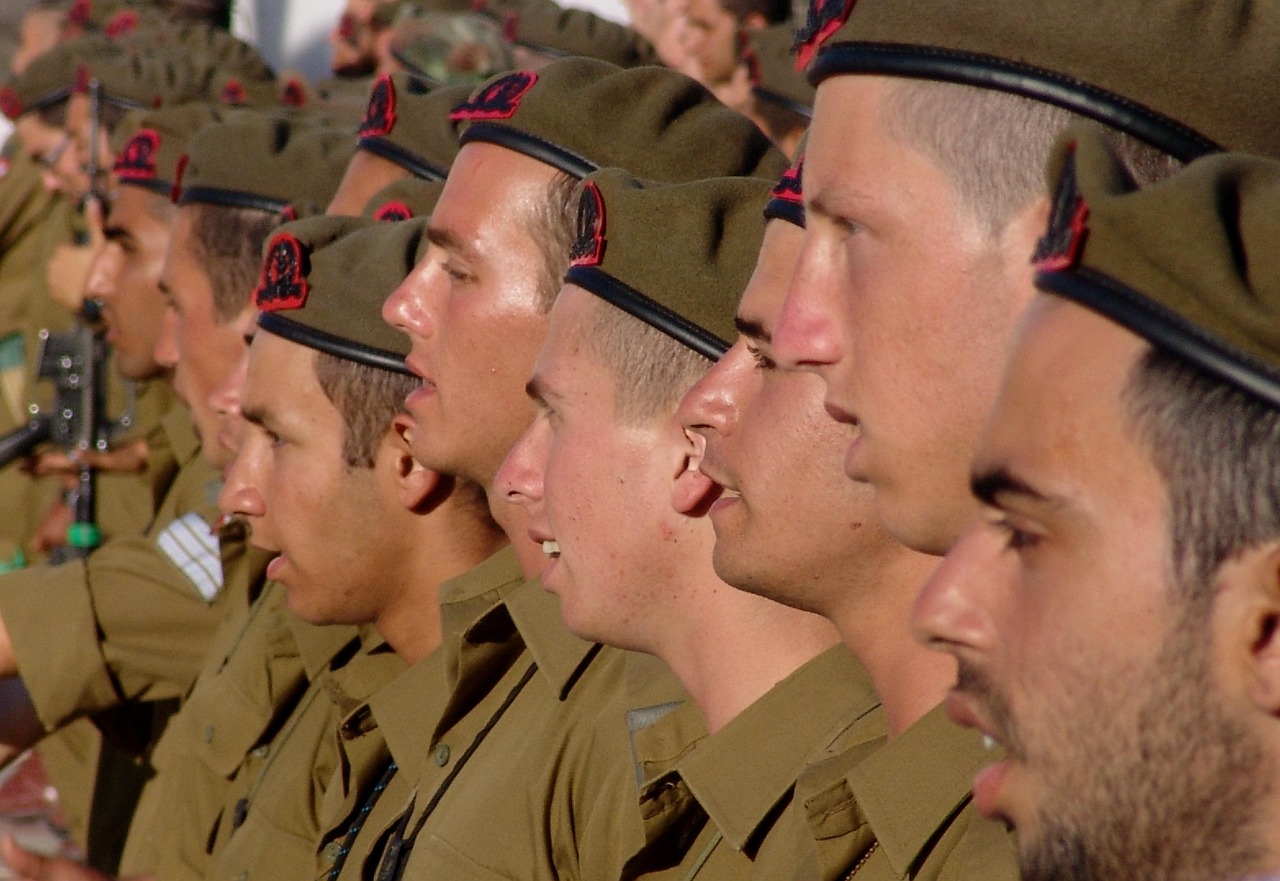
So, where is all of this action taking place? This month, right next door in Poland, a major exercise called Exercise Koalicja is kicking off. We are talking about nearly 3,000 military personnel gearing up to take part. These troops are not just coming from one or two countries either; they represent 12 different European nations coming together to test their coordination skills.
The whole operation is scheduled to run from November 9th through November 22nd. According to the reports, the drill will span across land, sea, and air. The United Kingdom alone is sending around 300 troops along with a couple of RAF Typhoons to join the mix. Meanwhile, other nations stepping up to the plate include France, Belgium, Estonia, Germany, Lithuania, the Netherlands, Spain, Sweden, and Turkey.
Turkey, for its part, has agreed to take the lead on the maritime side of things. The ultimate vision down the road is to tackle the tricky task of clearing sea mines and getting commercial trade flowing smoothly again in the Black Sea. On the aviation side, those fighter jets taking part will actually simulate the process of reassuring and guiding commercial aircraft once Ukrainian airspace is eventually deemed safe enough to reopen.
The core purpose of Exercise Koalicja is simple yet incredibly difficult in practice: figuring out how to move, protect, and supply a foreign force inside Ukraine. It is a massive test of command and control. When you have troops and equipment coming from a dozen different countries, making sure everyone can communicate, share logistics, and work seamlessly together is an absolute necessity.
What the Reassurance Force Will and Won’t Do
Now, it is really important to clear up some misconceptions about what this proposed force is actually meant to do. Western officials have been pretty clear on the boundaries. First off, this is not a combat force designed for offensive operations. Nor is it going to act as a traditional peacekeeping mission or monitor a ceasefire on the front lines.
Instead, the idea—which was first floated last year as part of broader long-term security guarantees—is to act as a reassurance presence. Once the fighting actually stops, these troops would step in to help rebuild Ukraine’s armed forces and provide a stabilizing, reassuring presence. They also will not be operating under the direct command of NATO.
Interestingly, the United States has been sitting in on the discussions about these security plans, but Washington is not actually contributing any troops to this particular mission. Beyond that, the rules of engagement remain a bit of a gray area. Western officials have declined to spell out publicly what would happen if international troops were attacked, though they maintain that the force would inherently have the right to defend itself if targeted.
On the political side, UK Defence Secretary Wes Streeting emphasized that this is not just some idle, hypothetical drawing-board plan. In his view, it represents a real, tangible force getting ready to assist Ukraine the exact moment the active fighting comes to an end. Lt Gen Tom Bateman, the UK commander of the Multi National Force – Ukraine (MNF-U), echoed those sentiments, calling the exercise a crucial bridge between political promises and genuine, credible military readiness.
The Challenges and the Wider Context
Of course, looking at the bigger picture, there are still plenty of question marks hanging in the air. For one, Russia has already made its stance crystal-clear. Moscow is entirely opposed to the idea of foreign troops being stationed in Ukraine, with President Vladimir Putin warning last year that any such personnel would be viewed as legitimate targets.
Furthermore, military experts have pointed out that guaranteeing Ukraine’s long-term security might eventually require tens of thousands of troops, meaning the current rehearsal with a few thousand personnel is really just a starting point. Officials freely admit that the final shape, size, and ultimate commitment of any future deployment will completely depend on the exact circumstances of how the hostilities end, alongside individual political decisions made by each participating nation.
There is also an interesting irony regarding military training. While Western nations traditionally send trainers to help partner countries, Ukrainian soldiers are currently some of the most battle-tested troops in the world—particularly when it comes to cutting-edge drone warfare. In fact, Ukrainian forces are already in high demand to pass their own hard-earned expertise on to NATO troops. How a Western force might fit into training a military that is arguably more experienced in modern combat is just another puzzle waiting to be solved.
Above all else, the grim reality remains that Russia has shown zero indication of wanting to wind down its war anytime soon. Recent headlines continue to feature grim updates, from power-cutting strikes in Kherson to hacked air alert apps spitting out false nuclear warnings, and families finally reuniting after years of being trapped in Russian-occupied zones. Peace might still feel a long way off, but these European nations are clearly making sure they are ready whenever that day finally arrives.
Reflecting on Preparation and Uncertainty
When I look at this developing story, I see a fascinating exercise in diplomatic and military foresight. From my perspective, watching nations organize and rehearse for a peaceful future while the war is still raging highlights a very specific kind of political balancing act. It is easy to get caught up in the immediate chaos of daily conflict headlines, but this report reminds us that governments are quietly laying down the architectural groundwork for a post-war reality, whether that day arrives tomorrow or years from now.
At the same time, I think it is worth noting how many gaps still exist in the plan. Based on the facts reported, we are looking at a framework with more questions than firm answers—from ambiguous rules of engagement to the stark reality that Russia outright opposes the entire concept. To me, this serves as a reminder that international diplomacy is rarely neat or simple. Preparing a 3,000-strong multinational rehearsal is an impressive logistical feat, but translating a temporary exercise into a sustainable, long-term security guarantee on the ground will likely prove to be an entirely different beast.
Ultimately, this news gives us a glimpse into the complicated mechanics of international support. It shows that while allies are eager to demonstrate commitment to Ukraine’s stability, they are also treading carefully to avoid immediate escalation while navigating the murky waters of a conflict with no clear end in sight. It is a story of cautious optimism meeting harsh geopolitical realities, and it will definitely be worth watching to see how these multinational coalitions evolve as the situation on the ground continues to shift.
That is all for today’s update, folks! Let me know your thoughts on these upcoming military drills in the comments below, and I will catch you all in the next post.
source: feeds.bbci.co.uk (www.bbc.co.uk)