
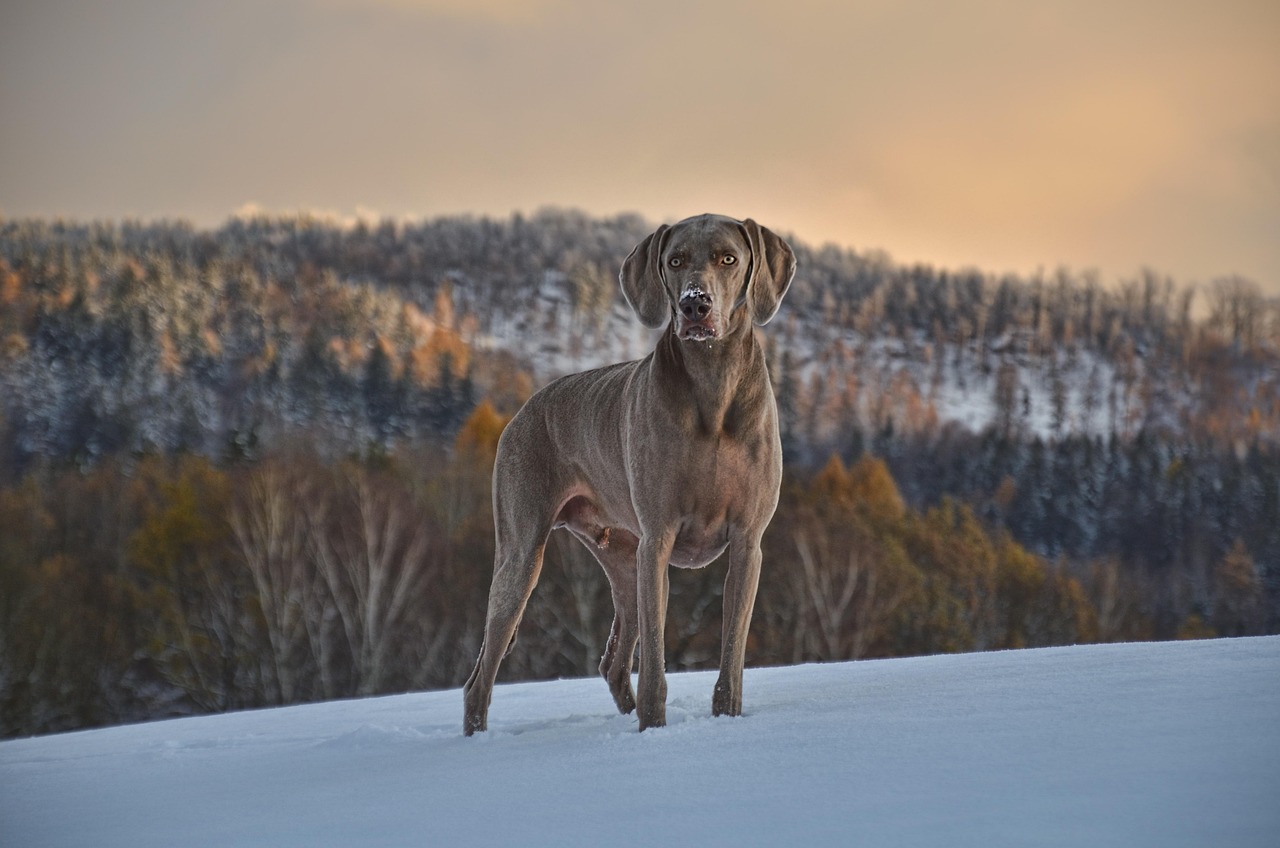
Hey there, fellow news followers! Welcome back to the blog where we dive into some of the most interesting, and sometimes heartbreaking, stories happening around the globe. Today, we are taking a trip over to the breathtaking landscapes of Canada to talk about a recent policy shift that has a lot of people talking—and not in a good way. If you have ever dreamed of visiting the rugged peaks of the Canadian Rockies, you probably picture towering snow-capped mountains, dense evergreen forests, and perhaps the dedicated wildlife and safety teams that keep visitors safe. Well, a big piece of that safety puzzle is now changing, and it is causing quite a stir.
For over half a century, specialized canine units have been a staple of wilderness safety in Canada’s stunning national parks. Recently, however, it was announced that this long-standing tradition is coming to an end. As you can imagine, locals, former handlers, and outdoor enthusiasts are speaking out. Let us take a closer look at what is happening, why the decision was made, and why so many people are fighting to reverse it.
Looking Back at a Proud Legacy in Banff National Park
To understand why this news hurts so many people, we have to look at the incredible history of these four-legged heroes. Scott Ward, a retired handler who spent nearly two decades working in Banff National Park, knows firsthand just how valuable these animals are. At 73 years old, Ward still remembers the profound relief on parents’ faces when his canine partner successfully tracked down their lost children in the heavily wooded park.
On another occasion, his furry partner guided him up a steep mountain slope for two hours to reach a hiker with a broken leg who was dangerously close to succumbing to hypothermia. Stories like these were the norm for the canine search and rescue program, which was a fixture of Parks Canada for an impressive 55 years.
These specialized dogs were trained to sniff out virtually anything—ranging from small shell casings and paper clips to human bodies. During the harsh winter months, when avalanches pose a constant threat to skiers and hikers, the dogs were deployed to locate people trapped beneath deep layers of snow. Ward points out that utilizing a dog’s incredible sense of smell saves human searchers countless hours of probing the snow shoulder to shoulder, which also keeps rescue workers safe from secondary avalanche risks. In the warmer summer months, the dogs shifted gears to track down children who wandered away from campsites or hikers lost in the vast wilderness.
The Final Chapter for Leroy and the Cutting of the Program
Over the years, the once-robust canine program was gradually scaled back until only a single handler and dog remained. That final dog, a German Shepherd named Leroy, officially retired in August. During his seven years of service, Leroy left an incredible legacy: he helped track 156 people, located 57 lost individuals, and even assisted in solving two murder cases in Banff.
Surprisingly, a brand-new canine had already been fully trained and was ready to step up and take over active duty. But that deployment never happened. Last week, Parks Canada dropped the news that the entire program is being permanently axed as of this month.
This decision didn’t happen in a vacuum. The government is currently implementing broad funding cuts to the Canadian public service, leading to hundreds of upcoming layoffs. Parks Canada confirmed the closure to the BBC, describing the elimination of its sole dog handler position in Banff as a difficult choice. The agency stated that the move is part of a broader effort to modernise its law enforcement branch, while assuring the public that search and rescue operations will simply be delivered through alternative means.
Public Outraged and Politicians Clash Over the Cuts
Unsurprisingly, cutting the rescue dogs program has sparked an immediate and passionate public backlash. Within days of the announcement, a petition started by William Stevenson, the Conservative Member of Parliament for the Banff area, quickly gathered over 5,000 signatures from people demanding the program be reinstated.
Stevenson acknowledged that tighter government spending might be necessary in some areas, but argued that cutting this specific resource directly compromises public safety. Speaking to the BBC, he questioned the logic behind the choice, asking how officials could possibly select such a vital program for the chopping block. The issue even made its way into Canada’s parliament during a late legislative session.
Defending the government’s stance, Ryan Turnbull, a Liberal MP and parliamentary secretary for finance, emphasized that the current administration remains focused on reducing the national deficit and ensuring public funds foster growth, resilience, and general well-being. Despite this defense, Stevenson is not backing down. He has requested an in-person meeting with the CEO of Parks Canada to keep the pressure on.
As for Scott Ward, he is holding out hope that the program might still be saved. He often echoes the words of the veteran warden who trained him years ago: you can try to replicate almost anything with technology, but nothing in the world can ever truly replace the remarkable nose of a trained rescue dog.
My Perspective on the Future of Wilderness Safety
When looking at the big picture, this situation highlights a classic and difficult tension between fiscal responsibility and essential public services. Governments everywhere are constantly trying to balance budgets, trim deficits, and modernize operations, especially when facing broader economic pressures. However, cutting a program with a proven 55-year track record of saving lives feels, to many observers, like a step backward in emergency preparedness.
In my view, the fallout from this decision goes far beyond the loss of a single canine unit in Banff National Park. It raises crucial questions about how public agencies define “modernization” and whether technological or alternative search methods can truly match the speed and efficiency of a trained animal in extreme terrain. When winter avalanches strike or hikers go missing in the vast wilderness, every single minute counts. If alternative rescue methods prove slower or put human searchers at greater risk, the true cost of these budget cuts could end up being far higher than expected.
Moving forward, I suspect this story will serve as a lightning rod for broader debates about how public services are funded during times of economic constraint. If the public outcry and the petition started by local lawmakers are any indication, communities near Canada’s national parks are not going to let this issue fade quietly. Whether public pressure will be enough to reverse the decision remains to be seen, but one thing is certain: the debate over how best to protect people exploring the great outdoors is far from over.
Thank you for stopping by to catch up on this developing story. Make sure to subscribe or check back soon for more updates on news from around the world. Stay safe, and see you in the next post!
source: feeds.bbci.co.uk (www.bbc.co.uk)