
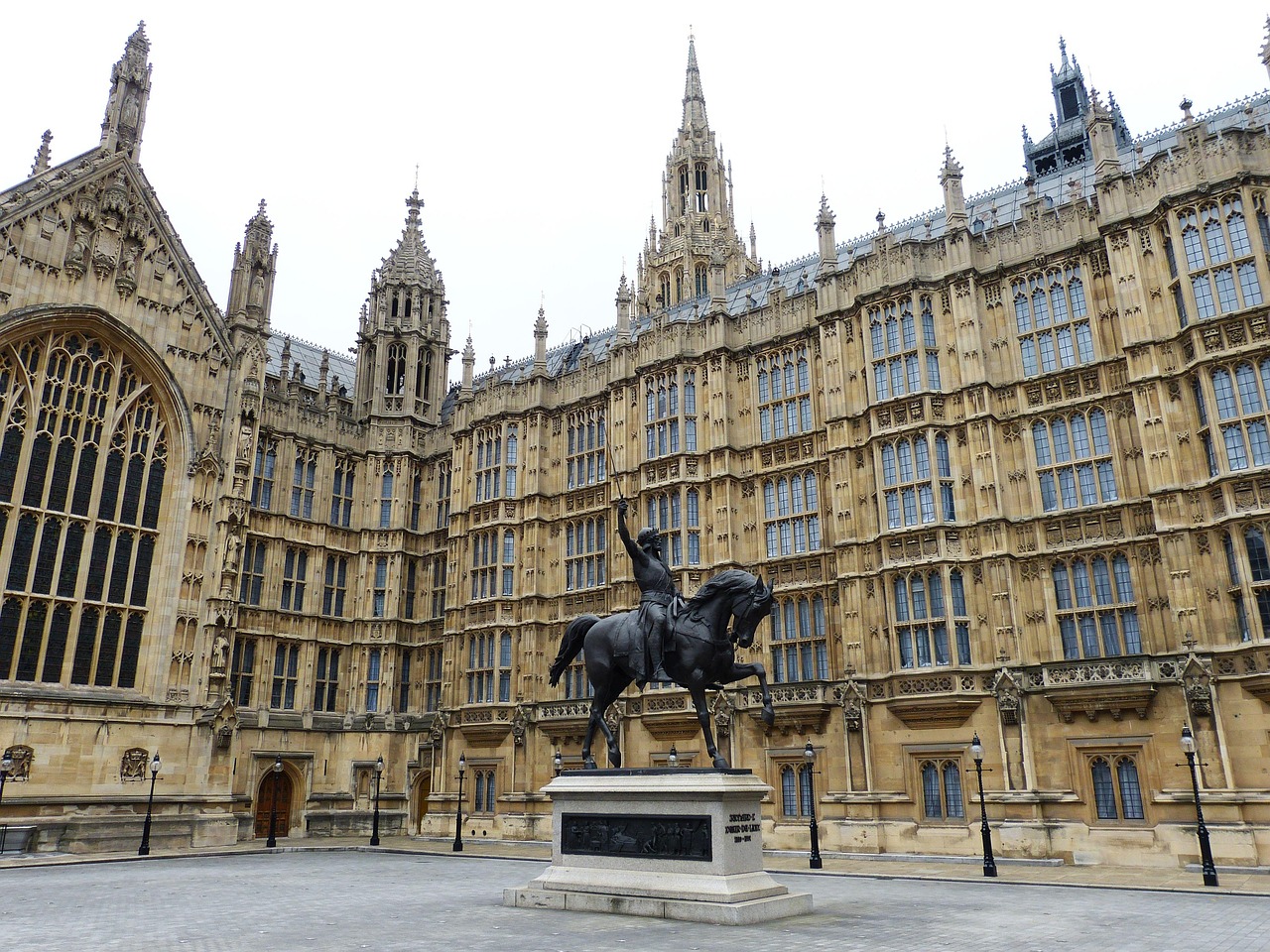
Hey there, fellow news junkies! Welcome back to the blog. Today, we are diving into a pretty massive political development coming straight out of the United Kingdom. If you have been keeping an eye on international headlines, you know that historical accountability is a hot topic everywhere right now. Well, the conversation just took a fascinating turn across the pond.
According to recent reports, Britain’s Prime Minister has signaled a major change in the nation’s official stance by stating that he is open to issuing a formal apology for the country’s historical involvement in slavery. Now, if you know anything about the traditional trajectory of British foreign and domestic policy regarding historical wrongdoings, you know this kind of statement is a pretty big deal. It is a noticeable pivot from previous approaches, opening the door to conversations that were once entirely off the table.
However, before we get ahead of ourselves, there is a big caveat to this news. While the prospect of an official apology is certainly making waves, it looks extremely unlikely to satisfy everyone—especially those advocacy groups and critics who have been pushing not just for words, but for financial and systemic reparations to follow. An apology is one thing, but repairing generations of historical impact is an entirely different conversation.
Understanding the Shift in British Policy
To really grasp why this statement from the premier is turning heads, we have to look at the broader context of British political history. For a long time, successive governments have been notoriously hesitant to issue formal apologies for historical atrocities tied to the empire, often fearing the legal and financial precedents such admissions might set. Admitting fault on a governmental level usually opens up a Pandora’s box of demands for compensation, land return, or other forms of reparatory justice.
By expressing an openness to a formal apology, the Prime Minister is stepping into deeply sensitive political territory. On one side, historians and human rights advocates argue that acknowledging the brutal realities of the transatlantic slave trade is a fundamental step toward national healing and moral clarity. They believe that a modern, progressive nation should be able to look its past in the eye without flinching. On the other side, conservative elements within the political landscape have historically pushed back against what they call “self-flagellation” over history, arguing that current generations should not bear the burden of past actions.
This new stance represents a delicate balancing act. The premier’s comments suggest a willingness to engage with the painful legacy of the past, but they also draw a sharp boundary. By not committing to reparations, the administration is trying to offer a gesture of historical recognition without triggering the massive economic and legal obligations that campaigners are demanding.
Naturally, this middle-ground approach has left many people feeling conflicted. For the activists who have dedicated decades to fighting for restorative justice, words without material support can feel a bit hollow. After all, an apology without amends might soothe the conscience of the state, but it does little to address the ongoing socio-economic disparities rooted in that very history.
My Take on the Changing Conversation Around History
Let’s take a moment to unpack all of this. Looking at the facts presented in the source, I see this announcement as a classic example of modern politics trying to bridge an impossible gap between historical accountability and institutional self-preservation. On the positive side, I believe that a leader of a major global power even uttering the possibility of a formal apology is a powerful acknowledgment. It shifts the cultural Overton window. It tells the public—and the global community—that ignoring or sweeping historical atrocities under the rug is no longer an acceptable strategy for 21st-century leadership. There is undeniable value in an official state recognition of suffering, as it validates the historical trauma experienced by millions and honors the tireless work of activists who kept this issue alive.
However, and this is where I find myself leaning toward caution, I also see why critics are far from celebrating. Based on the reporting, stopping short of reparations means this potential apology risks feeling purely symbolic rather than transformative. It is hard not to view purely verbal gestures with a bit of skepticism when the structural inequalities built during the slave trade are still very much alive today. While I am not here to project motives or guess what goes on behind closed doors in Parliament, the strict separation between offering an apology and refusing financial recompense looks like a calculated political compromise. It attempts to appease those calling for moral leadership without alienating taxpayers or economic traditionalists who fear the cost.
Ultimately, what we are witnessing is a slow, often uncomfortable evolution in how nations deal with their darkest chapters. Whether this openness to an apology turns into actual policy, and how the public reacts if it does, remains to be seen. But one thing is for sure: the debate over how we remember, acknowledge, and pay for the sins of our ancestors isn’t going away anytime soon. It is a complex issue with no easy answers, and watching how political leaders navigate it will continue to be one of the most compelling stories to follow.
What are your thoughts on this whole situation? Do you think a formal apology has value on its own, or is it meaningless without financial reparations attached? Drop your thoughts in the comments below, and let’s keep the conversation going. Thanks for reading, and I’ll catch you in the next post!
source: nytimes.com (www.nytimes.com)