
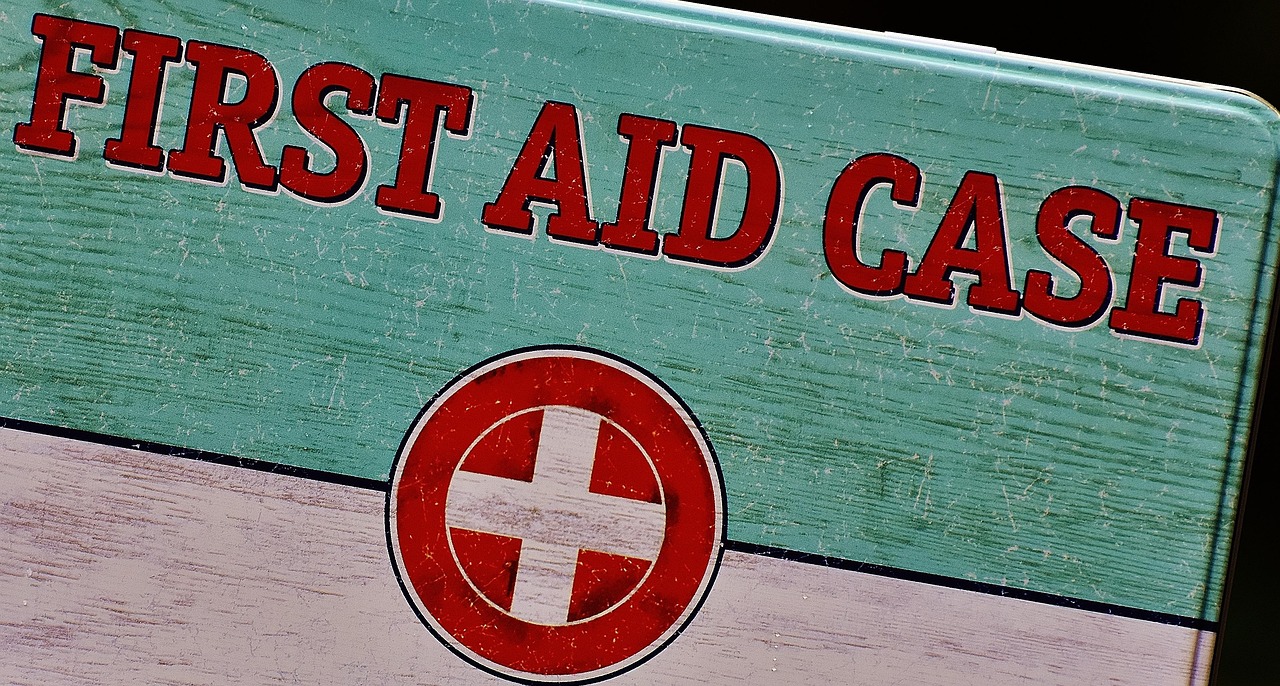
When recent government advice in the UK suggested what households should stock up on in case of a national emergency, local shops saw a noticeable spike in sales for tinned food, radios, and torches. While putting together a personal crisis kit is a relatively new concept for many people in the UK, it is already a common way of life in various parts of the globe.
Communities dealing with extreme weather, natural disasters, and complex geopolitical situations frequently receive preparedness guidance. In some nations, official booklets are even delivered directly to residential doorsteps to help families stay ready.
Global Approaches to Emergency Readiness
In Sweden, thirty-year-old Andreas Wennerberg began assembling emergency supplies after a government booklet arrived at his home two years ago. Distributed to every household in the country, the guide outlined essential items to store and how to respond in a crisis or war. Living in Stockholm, Andreas set up a modest stockpile in his basement, featuring a tank with 10 litres of water, a crank radio, and about €200 in cash. While he admits it served as a wake-up call, he notes that he hasn’t followed every single detail of the official advice.
Across the Atlantic in Maryland, physiotherapist Dan C. started gathering supplies after becoming a father. He has invested around $6,000 in a comprehensive basement setup. His motivation stems from a cold February when his home lost power and was cut off for two days. Dan’s stockpile now includes 150 gallons of water, specialized storage containers for the bathtub, water purification tablets, and a rotating pantry of long-life foods like oats, quinoa, and peanut butter. He also maintains solar panels, a camping stove, a propane fireplace insert, and extensive medical supplies, including bleeding control kits. For Dan, keeping a personal crisis kit is simply part of being a responsible homeowner and parent.
In Tokyo, Ayumi T. has maintained an emergency bag for years to handle earthquakes, typhoons, and extreme heatwaves. Following a major earthquake that struck the Noto Peninsula, she expanded her supplies further. Guided by Tokyo’s extensive disaster prevention manual, her rucksack contains clothes, towels, disposable masks, menstrual products, and portable toilets. Meanwhile, leadership coach Nicole Bonds in Atlanta began focusing on emergency preparation over the last five years after observing increasingly severe global weather patterns. Following her motto of staying prepared rather than panicked, she gradually collects cleaning products, batteries, power banks, and first-aid supplies to store around her home.
In the Netherlands, Michael Stuut lives in an area below sea level, prompting concerns about both severe weather and potential geopolitical conflicts. Alongside food and a generator, he stores approximately 120 litres of water, cash, a first-aid kit, and even a Starlink Mini satellite device for internet connectivity in his attic and crawl space. Dutch authorities recently launched a campaign encouraging households to maintain at least 72 hours of supplies. While Michael remains skeptical that three days is enough, he believes that prepared households ultimately make it easier for emergency services to assist those in greatest need during a crisis.
Reflecting on the Global Shift Toward Readiness
Looking at these diverse stories from Sweden, the US, Japan, and the Netherlands, I see a fascinating shift in how everyday people view safety and responsibility. Building a personal crisis kit is no longer viewed merely as an extreme hobby for survivalists; instead, it is increasingly becoming a mainstream habit for ordinary families who want peace of mind in an unpredictable world. As weather patterns become more volatile and global uncertainties grow, governments are stepping up their communication, and citizens are responding by taking matters into their own hands.
This trend suggests that future communities will likely be much more self-reliant during the initial hours or days of an emergency. When local infrastructure fails due to storms or power outages, households that have taken the time to rotate their pantries, store water, and secure basic power tools will not place an immediate burden on local rescue services. Based on the facts shared by these individuals, preparation is not driven by panic, but by a calm, pragmatic approach to modern living. Moving forward, this mindset could redefine community resilience, turning preparedness into a standard aspect of household management just like home insurance or routine maintenance.
Ultimately, whether people are inspired by government pamphlets in Stockholm or personal experiences with winter power outages in Maryland, the underlying message remains consistent. Being ready for the unexpected is simply about protecting the people you love. As more countries adopt advisory campaigns for emergency preparedness, we can expect personal stockpiles to become as common as first-aid kits in homes around the world.
source: feeds.bbci.co.uk (www.bbc.co.uk)
Photo by Alexas_Fotos on Pixabay