
Hello, friends! Welcome back to the blog. Today, we are diving into a deeply emotional and significant topic that spans decades of history and touches the very heart of families affected by conflict. When we think about major historical conflicts, our minds often drift to the battles, the political outcomes, and the grand strategies that shaped our modern world. Yet, the true human cost of any war lingers long after the last shots are fired, echoing silently through generations of families who never truly got to say a proper goodbye.
Recently, attention has turned to a massive, intensive effort taking place in Southeast Asia. Specifically, a sweeping 500-day campaign has been launched with a singular, profound mission: to find, unearth, and accurately identify the remains of soldiers who fell during a conflict that transformed a nation. It is a monumental undertaking, blending modern forensic science with deeply held cultural traditions, and it has already resulted in the recovery of hundreds of bodies. But as we watch this painstaking process unfold, a complicated question naturally arises: does this monumental excavation help heal deep historical wounds, or does it risk tearing them wide open all over again?
The Long Journey to Find the Fallen
For decades, the physical landscape of the region carried the silent scars of past battles. Countless individuals went missing in action, their final resting places unknown to the loved ones they left behind. In a culture where honoring ancestors and performing proper burial rites holds immense spiritual and emotional significance, the absence of a body is a profound and lasting burden.
The recent 500-day initiative represents a determined push to alter this reality. Teams of specialists, local communities, and searchers have been combing through historical sites, utilizing whatever records and memories remain to locate where these fallen individuals were laid to rest. Unearthing hundreds of bodies is no small feat; it requires meticulous care, respect, and scientific expertise to ensure that each recovery is handled properly. When a recovery is successful, it offers a rare and precious moment of finality for families who have spent a lifetime wondering about the fate of their fathers, brothers, and sons.
However, the sheer scale of the challenge means that the road ahead is fraught with difficulty. The passage of time takes a heavy toll on the landscape and on the physical evidence needed for identification. Weather, jungle growth, and shifting terrain make the search extraordinarily complex. Because of these hurdles, the journey from recovery to positive identification is rarely straightforward.
When Closure Remains Out of Reach
While the recovery of hundreds of bodies is undeniably a major milestone, the reality on the ground is far from universally comforting. The painful truth of this campaign is that not everyone gets a chance at closure.
Imagine the emotional complexity for communities watching these operations unfold. When a neighboring family receives the news they have prayed for—finally able to lay their relative to rest with traditional honors—it can cast a sharp light on the continued absence of those whose loved ones remain unfound or unidentified. The process is a bittersweet reminder of loss. For every successful identification that brings tears of relief, there are likely many more families whose searches yield no answers, leaving them in a prolonged state of uncertainty.
Furthermore, the physical act of unearthing the past brings complex emotions to the surface. It forces communities to confront the raw grief of a bygone era. For some, the disturbance of the earth is a necessary step toward peace. For others, it stirs up painful memories that had been quietly buried under decades of daily life. The delicate balance between remembering history and moving forward is tested every single day these recovery teams are out in the field.
My Perspective on the Search for Peace
As I look at this ongoing effort, my perspective centers on a cautious, grounded optimism. While the phrase “healing old wounds” is often used loosely, true reconciliation and personal peace are rarely simple or instantaneous. Yet, I see this extensive campaign not as a trigger for unnecessary pain, but as an essential and courageous step toward ultimate resolution.
In my view, the fact that these bodies are being sought out and identified, even if the process is agonizingly slow and imperfect, speaks volumes about the enduring value placed on human life and dignity. It demonstrates that history is not just about political borders or sweeping historical narratives; it is ultimately about individuals and the families who loved them. Even when closure proves elusive for some, the collective societal acknowledgment of their sacrifice is a powerful form of recognition that cannot be underestimated.
I believe that confronting the difficult past—painful though it may be—is the only reliable path to genuine long-term peace. By shining a light into the darkest corners of history and making a sincere effort to account for every lost soul, society takes a collective breath and moves a little closer to wholeness. It is a messy, emotional, and incomplete process, but within that imperfection lies a deeply human endeavor to honor the past while refusing to let it indefinitely dictate the future.
At the end of the day, campaigns like this remind us that history is deeply personal. Whether these efforts succeed in bringing immediate comfort or simply spark necessary conversations about remembrance and loss, they force us to remember the human faces behind the history books. Thank you for stopping by to read and reflect on this important story with me today. Let me know your thoughts in the comments below, and I will see you all in the next post!
source: nytimes.com (www.nytimes.com)
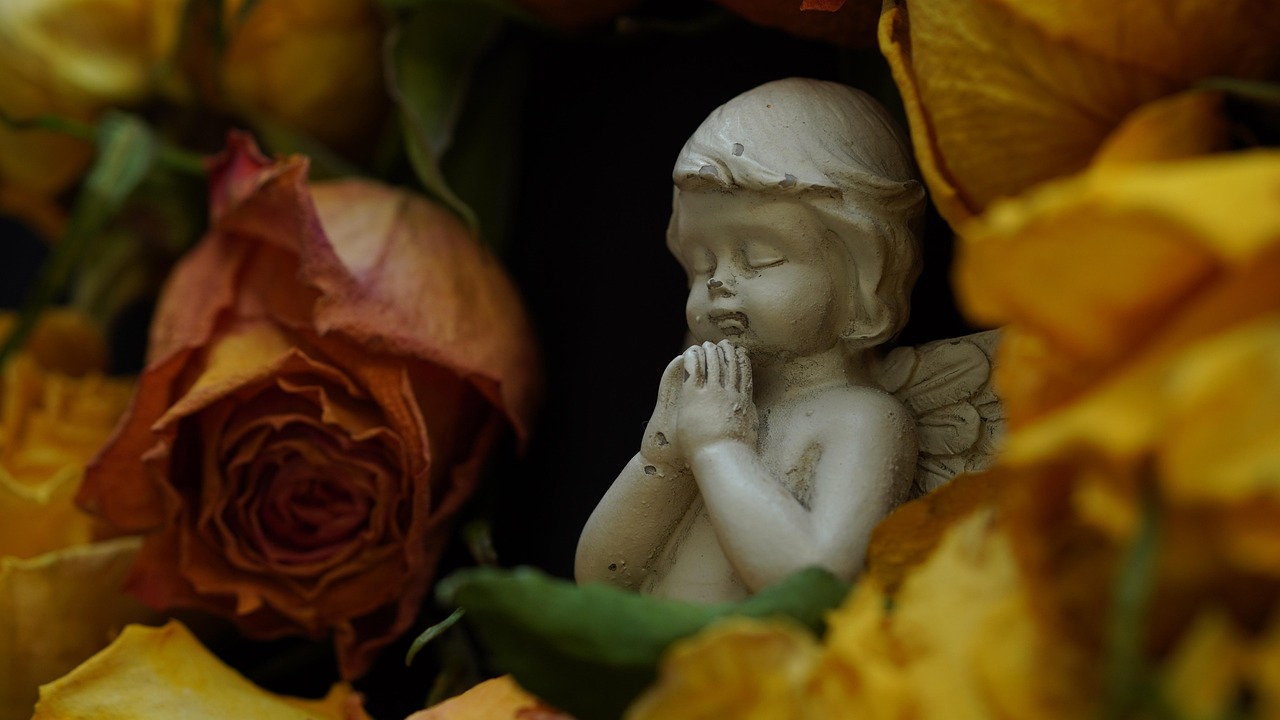
Photo by Mylene2401 on Pixabay