
When we look at historical landmarks, some structures carry a weight so heavy that deciding their future becomes an intricate puzzle. A striking example of this is the famous mountaintop retreat known as the Eagle’s Nest, perched high in the Bavarian Alps. Originally built to project absolute power and intimidate visitors, this historic site recently suffered severe damage in a suspected arson incident. Now, experts and local officials are left grappling with a difficult question: should it be restored, or left as it is?
The structure, known in German as the Kehlsteinhaus, sits at an altitude of 1,834 meters and offers breathtaking views of southern Germany and Austria. Completed in 1938, it was designed as part of the architecture of intimidation, meant to overwhelm anyone who visited. It took thousands of workers just over a year to construct the ambitious alpine engineering feat, which included serpentine roads, tunnels, and a brass-plated lift built directly into the rock face. While Adolf Hitler himself reportedly only visited a limited number of times before the outbreak of the Second World War, close associates like Eva Braun used it regularly to entertain state guests and diplomats.
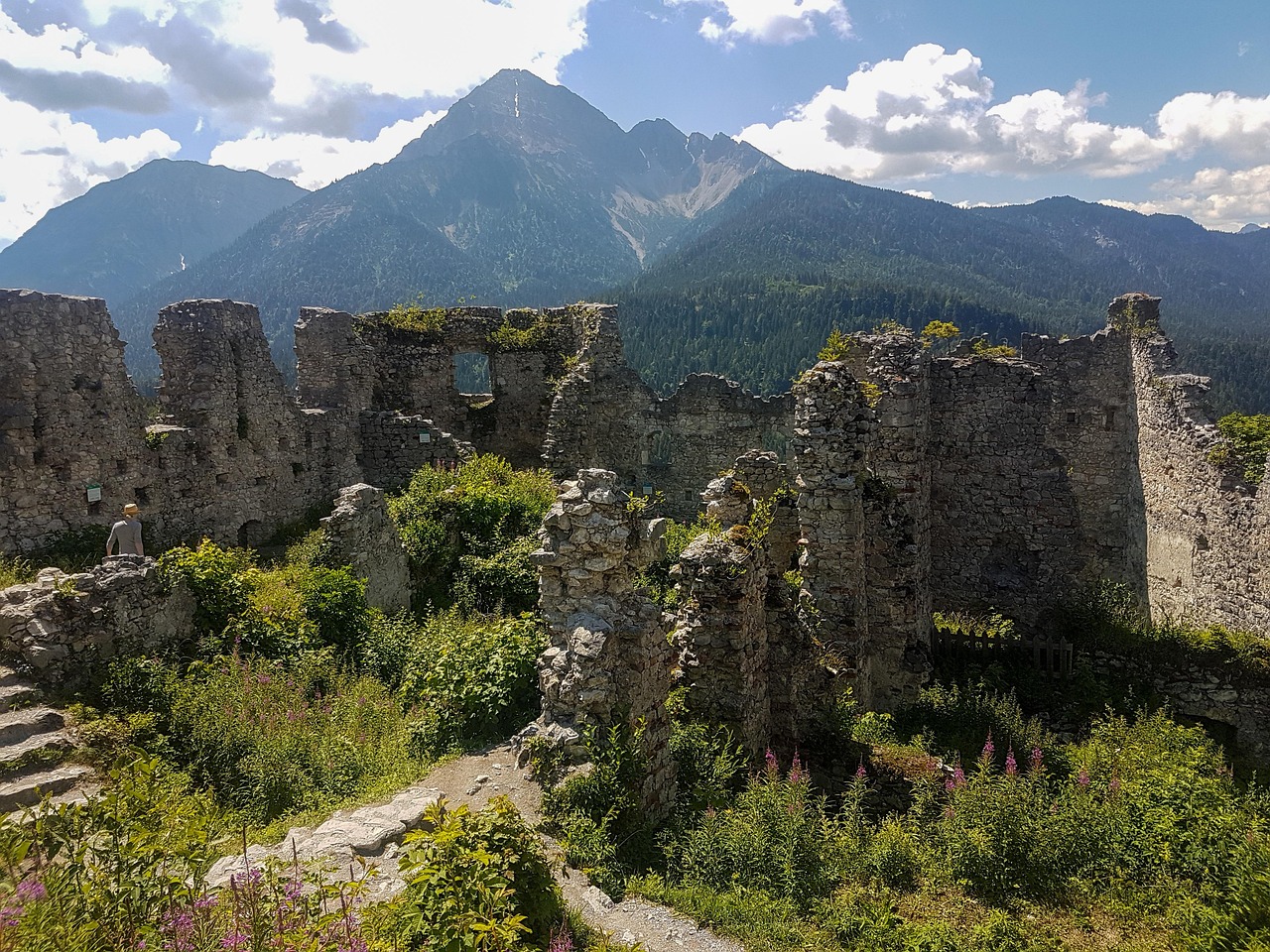
Recently, however, the site made headlines for a very different reason. A late-night blaze brought out roughly 200 firefighters, but despite their best efforts, only charred ruins remain of the former guest lodge and tourism spot. Local authorities believe the fire was deliberately set by a 33-year-old suspect with a history of mental illness. Thankfully, the location was closed at the time, and no injuries were reported. Still, the sudden destruction has sparked an intense public discussion about how the German state of Bavaria, which owns the land, should handle the toxic site moving forward.
The dilemma centers on a sensitive balancing act. While places associated with the regime’s victims, such as former concentration camps, are permanently preserved, dealing with the physical artifacts left behind by the perpetrators remains deeply fraught. Markus Blume, the Bavarian state culture minister, announced that a special commission of heritage, construction, and Holocaust remembrance experts will be brought in to decide the next steps. Blume emphasized that any potential reconstruction must honor the heavy historical responsibility tied to the location.
Opinions among historians are sharply divided. Sven Keller, the director of the Obersalzberg Documentation Centre, points out past lessons regarding how sites associated with the regime have been handled. Years ago, after the nearby Berghof residence was torn down, authorities planted hundreds of trees in an effort to erase it and prevent it from becoming a pilgrimage destination. According to Keller, that strategy backfired because hidden ruins in the woods only fueled mystery and attracted admirers, with swastikas frequently found carved into the bark. Eventually, the approach shifted toward transparency, opening public hiking trails to demystify the area and keep it from turning into a sacred space.
Keller suggests that a simple reproduction of the original architecture is unlikely, but leaving the site as a completely untouched ruin might also backfire because ruins often attract a dangerous kind of fascination. Instead, he advocates for a balanced approach that integrates the material remains with educational information, adding the recent fire as yet another layer to the location’s complex history. This all takes place against a backdrop of modern political shifts, notably the rising influence of far-right movements in Germany and Austria.
On the other side of the debate, historian Felix Bohr strongly opposes any kind of physical reconstruction. Given the current political climate and the resurgence of right-wing extremism, Bohr argues that Hitler’s megalomania should remain a visible ruin. He suggests that authorities should merely secure what is left of the structure and dedicate the space entirely to teaching the dark history of the era, rather than restoring what he views as a stage set for Nazi ideology.
My Perspective on the Future of the Mountain Retreat
Reflecting on this situation, I find myself torn between the desire for total transparency and the very real danger of glorifying a dark past. On one hand, the argument for keeping the site open and educational makes a lot of sense. Sweeping history under the rug or trying to hide it completely has historically proven ineffective, often sparking dangerous curiosity and underground legends among extremist groups. When spaces are illuminated by facts, guided tours, and open public access, they lose some of their secretive allure and become places of learning rather than worship.
On the other hand, the argument against rebuilding is equally compelling, especially when considering the current rise of far-right politics in Europe. Reconstructing a prestige project built to project absolute power risks inadvertently recreating a monument to tyranny. According to the facts presented, the site has always been tied to intimidation and propaganda. Therefore, leaving the charred remains as a stabilized ruin dedicated strictly to historical education seems like a sensible middle ground. It acknowledges what happened without breathing new life into the physical manifestations of Nazi ambition.
source: theguardian.com (www.theguardian.com)