
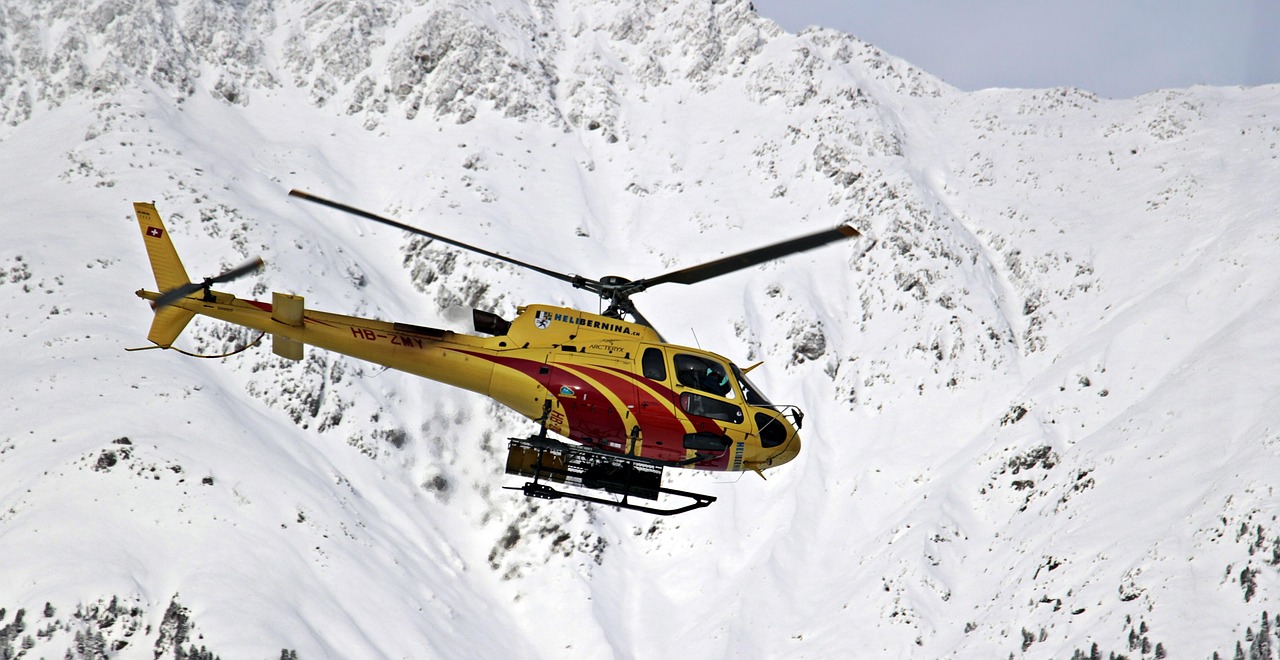
Hey everyone, welcome back to the blog. Today, we are looking at a deeply concerning piece of news coming straight from the roof of the world. Aviation safety in high-altitude regions is once again in the spotlight following a tragic incident in the Himalayas. If you have ever dreamed of trekking through the stunning landscapes of Mount Everest, you probably know how vital helicopters are for logistics, tourism, and emergency rescues in such a remote area. But recent events remind us that the skies up there are getting busier—and potentially much more dangerous.
According to the reports, a collision involving helicopters recently occurred right over a very popular tourist trail. This accident took place during the busy autumn climbing season, a time when hikers, climbers, and adventure seekers from all over the globe flock to the region to test their limits and soak in the majestic views. Unfortunately, what should have been an incredible journey for everyone involved turned into a disaster.
The collision resulted in a heartbreaking loss of life and left several others needing urgent medical attention. To break down the immediate impact: one person lost their life in the crash, while three other individuals sustained injuries. Naturally, rescue and emergency personnel had to mobilize quickly to handle the situation in such a challenging, high-altitude environment where every single second counts.
Growing Aviation Challenges in the Himalayas
While the immediate aftermath involves mourning the loss and treating the injured, the broader context of this accident points to a systemic issue. The Himalayas have seen a massive surge in air traffic over the past few years. As tourism booms and more people look for quick transport options to bypass grueling multi-day hikes, or rely on air support for climbing expeditions, the number of aircraft operating in these narrow mountain passes has skyrocketed.
Mountain flying is already notoriously difficult. Pilots have to deal with unpredictable weather patterns, strong winds, rapid visibility drops, and extremely thin air that affects aircraft performance. When you add a heavy concentration of helicopters sharing the exact same air corridors along popular trekking routes, the margin for error shrinks dramatically. This latest tragedy has put heavy emphasis on the safety challenges that come hand-in-hand with the commercialization and increased accessibility of the region.
For years, locals, aviation experts, and trekking operators have discussed the need for better traffic management and stricter protocols for aircraft operating in the Himalayas. Mountain weather can change in the blink of an eye, forcing pilots to navigate tight spaces where visibility is suddenly compromised. When multiple aircraft are utilizing the same paths to ferry tourists and gear, the risk of a mid-air conflict naturally rises. This incident serves as a stark reminder that the current infrastructure and air traffic oversight in these tourist-heavy mountain zones might need a serious reassessment to prevent future tragedies.
My Take on the Everest Air Traffic Crisis
Looking closely at this story, what strikes me the most is the quiet tension between the desire to make the Himalayas more accessible and the raw, untamable nature of the mountains themselves. As I read the details, I could not help but think about how technology and modern tourism are slowly transforming even the most remote corners of the Earth into busy transit hubs. We live in an era where people want convenience and speed, even when attempting to conquer the highest peaks on the planet.
In my view, the core issue highlighted here is not just about a single tragic accident, but rather an unsustainable trend. Based on the facts provided, the rising volume of aircraft directly contributes to mounting safety hazards. It feels almost paradoxical that people travel to the Himalayas to escape the hustle, bustle, and congestion of modern city life, only to find themselves navigating congested skies filled with humming helicopter rotors. When convenience begins to compromise basic safety in such a lethal environment, authorities and operators have to step back and reevaluate priorities.
Ultimately, I see this event as a wake-up call for the entire adventure tourism industry in Nepal and the broader Himalayan region. Preserving human life must always come ahead of faster turnaround times for tourist flights or expedition logistics. Whether this leads to stricter flight scheduling, mandatory communication systems, or limits on daily aircraft movements remains to be seen. But one thing is certain: the skies over Everest are simply too crowded, and the price of ignoring that reality has proven to be far too high.
That is all for today’s update. Let’s keep the victims and their families in our thoughts as the investigation into this unfortunate event continues. Stay safe out there, whether you are exploring local trails or dreaming of bigger adventures, and I will see you in the next post.
source: nytimes.com (www.nytimes.com)