
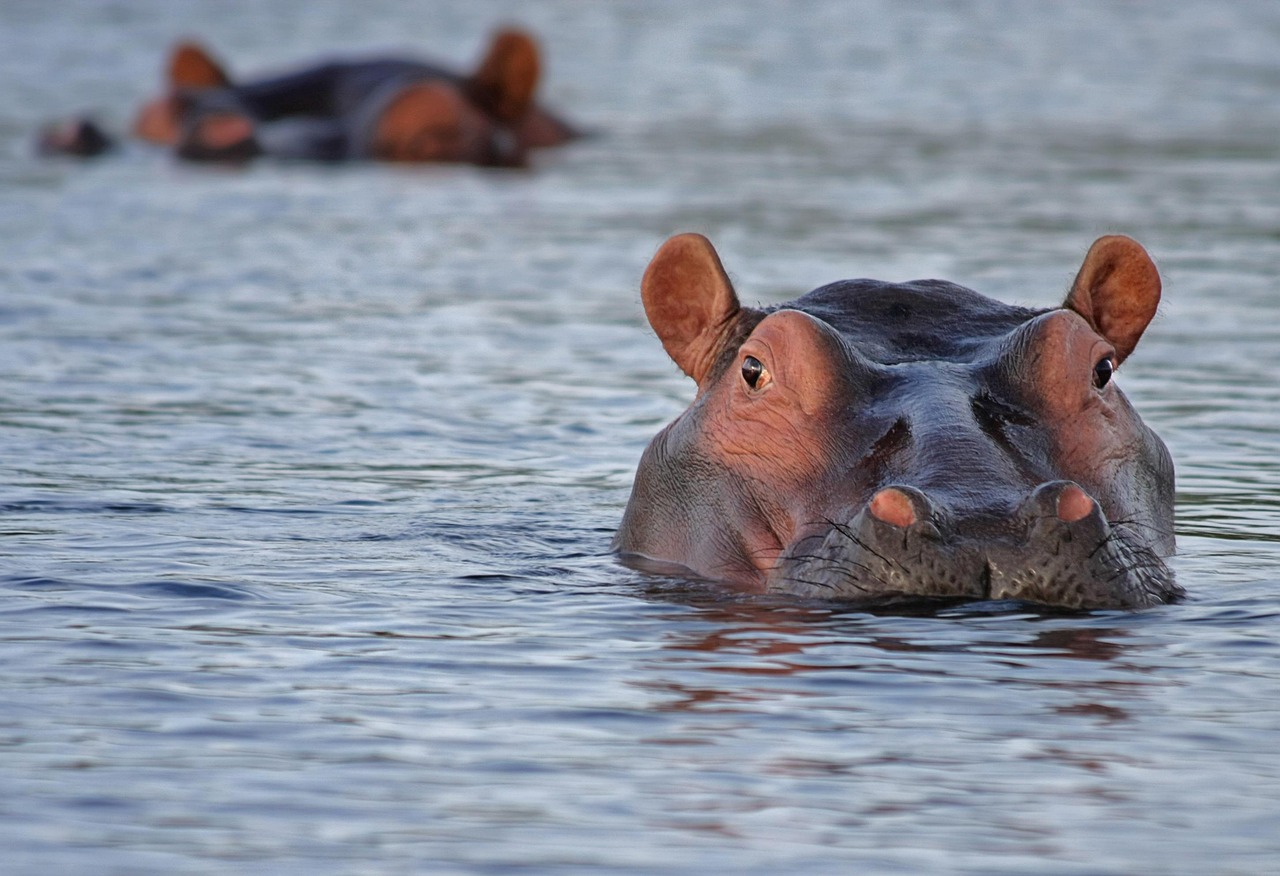
Hey there, fellow animal lovers and news enthusiasts! Welcome back to the blog. Today, we are diving into a heartbreaking piece of wildlife news coming straight out of the African continent. If you care about our planet’s incredible creatures, this update is definitely going to tug at your heartstrings and make you think about the fragile balance of nature.
We are talking about a serious biological threat unfolding in one of the most famous and ecologically vital protected areas on Earth. Nature can be wonderfully unpredictable, but sometimes it throws devastating challenges at the animals that call it home. Let us break down what is currently happening on the ground.
Understanding the Situation in Virunga National Park
According to official reports, an alarming anthrax outbreak has hit Virunga National Park, located in the Democratic Republic of Congo. For those who might not know, this stunning location holds the prestigious title of being Africa’s oldest national park. It is a place of breathtaking landscapes, incredible biodiversity, and deep ecological importance.
However, the park is currently facing a grim reality. Since the month of September, officials have confirmed that this dangerous bacterial disease has killed 30 hippopotamuses within the park boundaries. Losing these magnificent, heavy-set river dwellers is a massive blow to the local ecosystem and the conservation community working tirelessly to protect the region’s unique wildlife.
Anthrax is a serious infectious disease caused by spore-forming bacteria, and it is known to affect both animals and humans. While it occurs naturally in soils around the world, outbreaks among wildlife populations can sometimes spread rapidly under the right environmental conditions, spelling disaster for vulnerable species living in close quarters.
The Ecological Importance of Hippos
To really grasp the weight of this news, we have to look at why hippos matter so much to their environment. These massive mammals spend a huge portion of their days submerged in the cool waters of rivers and lakes, coming ashore at night to graze on vast quantities of grass.
By moving nutrients back and forth between the land and the aquatic habitats, hippos act as vital ecosystem engineers. Their daily movements help fertilize the water, creating rich environments for fish and other aquatic life. When a population takes a hit like losing 30 individuals in just a few months, the ripple effects can be felt throughout the entire local food web and the health of the waterways they inhabit.
Virunga National Park has historically been a stronghold for various endangered and iconic species, fighting through numerous geopolitical and environmental challenges over the decades. Rangers and conservationists on the front lines face immense daily pressures, and dealing with a sudden disease outbreak among the park’s iconic megafauna adds a crushing layer of difficulty to their vital preservation efforts.
My Thoughts on the Crisis
According to my perspective, reading about events like the anthrax outbreak in Virunga National Park reminds us just how vulnerable even the most majestic wild populations truly are. For us everyday folks living miles away from the heart of the Democratic Republic of Congo, it is easy to view wildlife conservation as something distant—a headline we scroll past on our phones while sipping morning coffee. But I see this as a stark reminder that the health of our global ecosystem is deeply interconnected, and the loss of any key species diminishes the natural wealth of our shared planet.
Reflecting on the facts provided, it is clear that park rangers and officials are dealing with a silent, invisible enemy in the form of bacterial spores. While I am not a wildlife biologist or a veterinary expert, it seems evident to me that managing natural disease outbreaks in sprawling, rugged terrains like Virunga requires immense resources, vigilance, and courage. For ordinary people, news like this might not change our daily routines, but it definitely highlights why supporting global conservation initiatives and respecting natural habitats matters more than ever. We rely on these delicate ecosystems to keep the planet healthy, and standing in solidarity with the people protecting them is the least we can do.
As this situation continues to develop, the global community can only hope that park officials successfully contain the outbreak and prevent any further loss of these incredible animals. Protecting Africa’s oldest national park is no easy feat, but the dedication of those working on the ground gives us all a reason to remain hopeful for the future of Virunga’s wildlife.
Thank you for stopping by and reading today’s update. Make sure to stay informed, keep caring about our natural world, and I will catch you all in the next post!
source: nytimes.com (www.nytimes.com)
Photo by designerpoint on Pixabay