
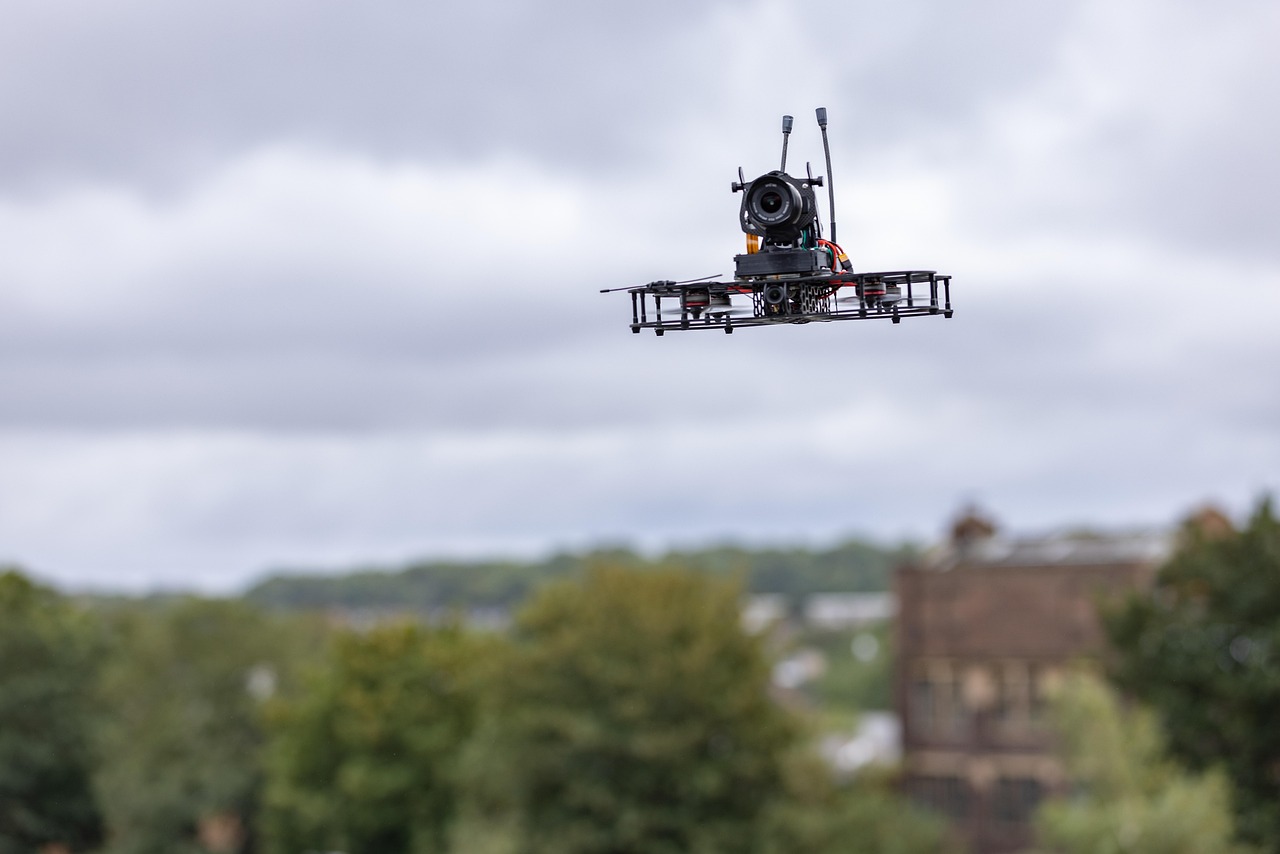
Hello everyone, and welcome back to the blog! Today, we are diving into a major development involving international security and foreign relations. Recent reports have surfaced indicating that the United States provided assistance to Venezuela in a lethal drone attack aimed at a drug-trafficking organization. As governments increasingly lean on advanced technology to combat transnational crime, stories like this always bring complex layers to the surface, and we are here to break down the details as they have been shared.
When news breaks about cross-border cooperation in military operations, it naturally catches the attention of global observers. According to officials, this specific military action targeted a group involved in drug trafficking. The operation resulted in a significant loss of life, with a rights group reporting that approximately two dozen individuals were killed in the strike. Incidents of this magnitude remind us just how intense and high-stakes the ongoing campaigns against illicit networks have become in various regions around the world.
The Escalation of Counter-Narcotics Tactics in Latin America
To understand the context behind this event, we need to look at the broader picture of regional security. The United States has increasingly been militarizing the fight against what officials classify as “narcoterrorism” across Latin America. This strategy often involves deploying high-tech assets, sharing intelligence, and coordinating closely with local governments to dismantle powerful criminal syndicates that operate across borders.
Drug cartels and trafficking organizations have long posed severe security challenges for nations in the region. By utilizing aerial capabilities such as drones, security forces can monitor, track, and strike targets with a precision that was difficult to achieve in the past. However, the involvement of major global powers in localized strikes also sparks intense debates about sovereignty, the rules of engagement, and the proportionality of force used in these expansive anti-drug campaigns.
While the goal of dismantling drug networks is widely shared among allied governments, the methods employed continue to draw scrutiny. Rights organizations frequently monitor these operations to ensure accountability and to report on civilian casualties or the overall humanitarian impact. The fact that roughly two dozen people lost their lives in this particular operation highlights the deadly reality of modern, technology-driven warfare against criminal enterprises.
My Perspective on the Intersection of Security and Human Cost
As I sit here and process the details of this situation, my mind immediately goes to the profound complexity and the heavy human toll involved. According to the reports, an operation of this scale takes dozens of lives in a single moment, turning a remote or targeted area into a zone of devastating impact. It is easy for us, sitting comfortably behind our screens, to view these events as abstract geopolitical chess moves or routine updates in the war on drugs. Yet, behind every statistic and every mention of a “group,” there are real lives, messy realities, and communities touched by the ripples of violence.
From a human standpoint, the partnership between nations to fight powerful criminal networks makes logical sense from a security perspective. Cartels and traffickers wield immense power, corruption, and violence, threatening the stability of entire nations. People living in regions plagued by cartel violence naturally desire safety, stability, and an end to the fear instilled by these powerful criminal groups. A sense of relief might very well be felt by those who hope that aggressive military pressure will finally weaken organizations operating outside the law.
At the same reverence, the heavy reliance on lethal force—especially involving aerial drones—brings a deep sense of unease. When operations result in the deaths of dozens of people, questions about collateral damage, transparency, and the long-term effectiveness of militarized strategies naturally arise. It is hard not to wonder if relying predominantly on strikes and military escalation addresses the root causes of the drug trade, or if it merely shifts the battlefield while deepening the cycle of violence. For anyone observing from the outside, balancing the urgent need for public safety with the protection of human rights remains one of the most difficult and emotionally heavy challenges of our time.
As this story continues to develop, we will keep an eye out for any further official statements or insights from human rights monitors. Thank you for stopping by to read through this update with me. Stay safe, stay informed, and let’s keep discussing these vital global issues with empathy and critical thinking. See you in the next post!
source: nytimes.com (www.nytimes.com)
Photo by This_is_Engineering on Pixabay