
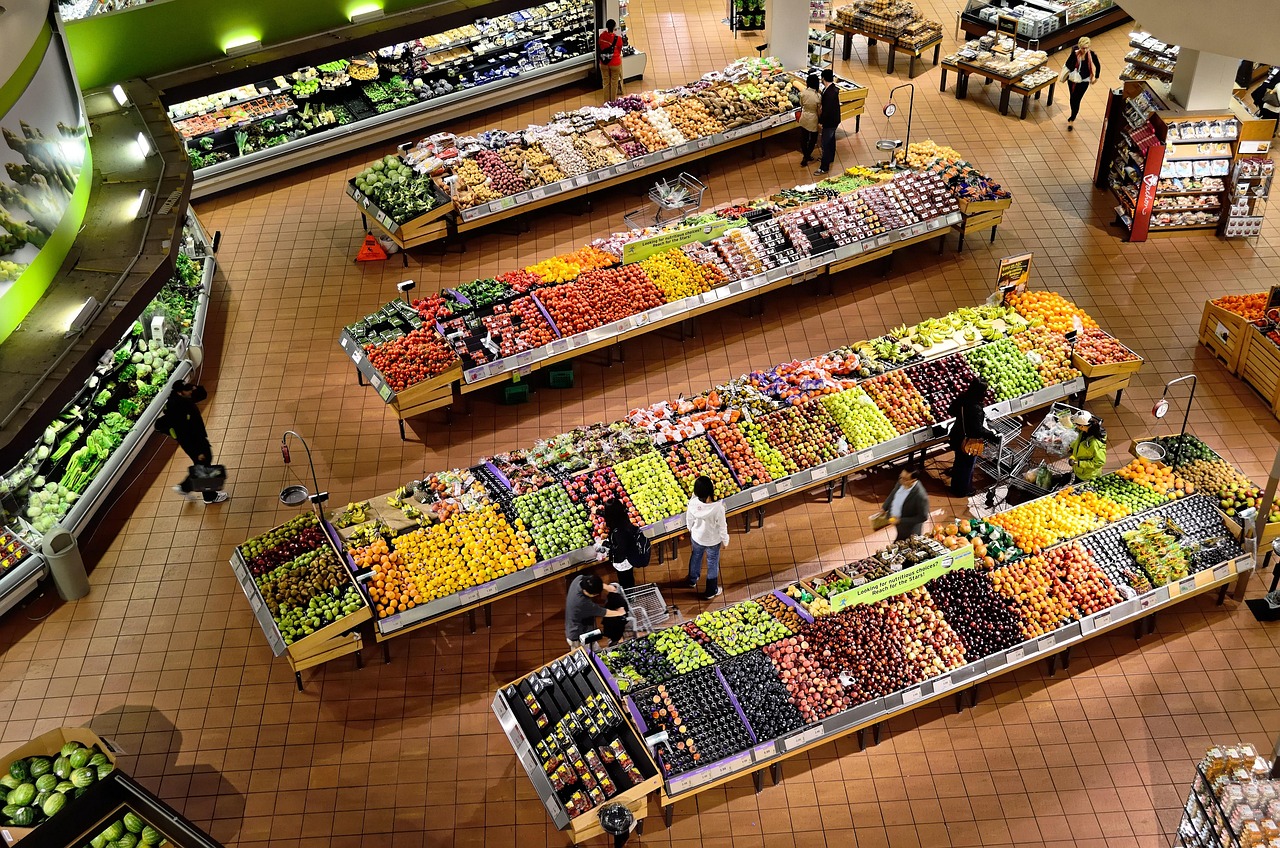
Hey everyone, welcome back to the blog! Today, we are looking at a wild and rather unsettling piece of news coming straight out of Europe. Imagine walking into your local grocery store to grab some frozen veggies or ice cream, only to find out the freezers have been secretly turned into giant ovens. Sounds like something straight out of a sci-fi thriller, right? Unfortunately, that is the exact reality multiple European countries faced recently.
A massive wave of cyber-attacks hit supermarket chains across at least 10 European countries all on a single Monday. This coordinated digital strike caused refrigeration units and freezers to completely malfunction, with temperatures skyrocketing to as high as 50 degrees Celsius, which is about 122 degrees Fahrenheit. As you can probably guess, retailers had no choice but to throw away massive amounts of spoiled food, resulting in significant food waste and unexpected headaches for store owners and shoppers alike.
If we look closely at where this digital chaos unfolded, the list of impacted nations is quite extensive. Supermarkets in Belgium, Estonia, Finland, Ireland, Italy, Luxembourg, the Netherlands, Portugal, Germany, and Sweden all reported running into serious technical trouble. Belgium appeared to be one of the hardest-hit regions, with dozens of stores dealing with refrigeration failures that prompted federal prosecutors to officially open an investigation.
To give you a better idea of the human element behind this massive technical glitch, local store managers were left completely stunned. Mathieu Tilman, a manager at a Delhaize supermarket in Belgium, shared his frustration about the situation, explaining how distressing it feels to watch so much food go to waste and wondering how anyone could possibly carry out such an act.
Other countries felt the pinch too. In Ireland, 13 SuperValu stores run by the Musgrave Group were caught up in what they described as a cyber-incident, though the company noted that restocking chilled and frozen items was already underway. Over in Portugal, the Mosqueteiros group pointed out that seven Intermarché stores were affected by an attack that seemingly targeted an external service provider responsible for managing their refrigeration systems. In Germany, the Rewe Büsken supermarket in the western part of the country faced refrigeration issues following an attack on system provider Danfoss. Meanwhile, places like Sweden, Finland, and Estonia reported smaller-scale disruptions, with Estonian public broadcaster ERR highlighting at least one shop where hackers deliberately cranked up the refrigeration unit temperatures.
Even though no group or individual has stepped forward to take responsibility yet, European officials are taking the matter very seriously. This event comes hot on the heels of another cyber-attack that disrupted around 700 French grocery stores just three weeks prior, leading to food losses estimated in the tens of millions of euros. EU food and agriculture commissioner Christophe Hansen warned that the bloc is keeping a close eye on the situation and cautioned that more disruptions could happen down the line.
Commission spokesman Thomas Regnier emphasized that these incidents clearly demonstrate how cyber-attacks can easily disrupt essential services and directly impact the daily lives of everyday citizens. He noted that these are not isolated events and that everyone needs to be collectively resilient and prepared.
Different national governments are reacting in their own ways. In Italy, Giorgia Meloni’s administration quickly called a meeting with intelligence chiefs. Officials noted that the impact was currently very limited because most of the food distribution network relies on up-to-date security systems. However, they pointed out that the businesses that did suffer—including at least four Co-op supermarkets in Sicily and one business in Tuscany—were mostly relying on older security systems with interfaces directly exposed to the internet and weak authentication mechanisms.
The shockwaves from these digital intrusions have even reached the United Kingdom. The UK National Cyber Security Centre (NCSC) has issued a warning to British retailers, advising them to immediately update the software on their fridge temperature controls. Richard Horne, the head of the NCSC, pointed out that vulnerable technology has indeed been exploited in a couple of instances within the UK. He also highlighted that the threat is not limited to supermarkets alone, but extends across the entire food supply chain.
My Take on the Digital Threat to Our Daily Lives
Looking at this entire situation, my personal opinion is that these incidents serve as a massive wake-up call about how interconnected and fragile our modern infrastructure really is. On the positive side, this crisis highlights just how quickly national cybersecurity agencies and international bodies can mobilize, share intelligence, and warn other industries before things spiral completely out of control. It forces businesses—especially those lagging behind with older technology—to finally upgrade their digital defenses and take internet security as seriously as physical security.
On the other hand, what worries me the most is the sheer vulnerability of everyday, mundane devices that we completely take for granted. Most people assume hackers are only interested in stealing bank accounts or locking down corporate computer networks for ransom. The idea that someone can remotely manipulate a simple grocery store freezer to ruin food supplies shows a worrying evolution in hybrid attacks. Based on the facts presented in the reports, many of these affected stores simply had outdated interfaces exposed directly to the internet. While opinions may vary on how easily attackers can target specific brands of machinery, the fact remains that our reliance on remote monitoring tools creates new backdoors that we are only beginning to secure.
Ultimately, I believe this event is a crucial test for global supply chain resilience. It shows that governments and private companies can no longer afford to treat IoT devices and simple refrigeration systems as low-priority targets. Moving forward, the balance between convenience, remote management, and robust cybersecurity will define whether our basic daily needs remain safe from unseen digital threats.
That is all for today’s deep dive into this unfolding European tech story. Stay safe online, keep an eye on your local tech updates, and I will catch you all in the next post!
source: feeds.bbci.co.uk (www.bbc.co.uk)
Photo by ElasticComputeFarm on Pixabay